
How Do Mobile Public Toilets Dispose of Sewage
There are mainly four types of sewage disposal methods for mobile public toilets: conventional water-flushing, vacuum sewage systems, water-storage sewage systems, and biodegradation systems.
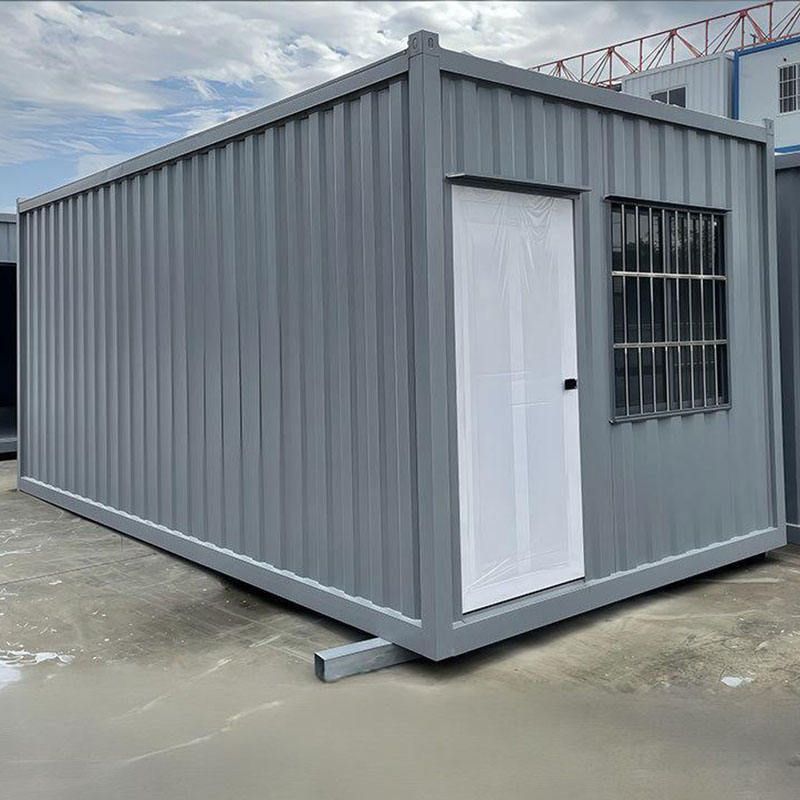
Conventional Water-Flushing: This is the most common sewage disposal method. It requires connection to water supply and drainage pipes, and achieves sewage disposal through manual or automatic sensing. After people use the public toilet, they press the flush button or trigger the sensing device, and the water flow washes away the waste, with the sewage ultimately being discharged into a septic tank or municipal sewer network. This sewage disposal method is suitable for various water-rich environments, such as urban streets and parks. Due to its mature technology and relatively low construction costs, it is widely used. However, it has certain requirements for water sources and drainage facilities. If the area does not have a well-developed water supply and drainage pipe system, this method is not very suitable.
Vacuum Sewage Systems: This system uses negative pressure principles for sewage disposal. A vacuum pump generates negative pressure to suck sewage and waste into a collection container. When the sewage in the public toilet reaches a preset water level, the vacuum pump automatically starts and quickly sucks away the sewage and waste. This disposal method is extremely efficient and uses very little water, saving a significant amount of water resources compared to conventional water-flushing. At the same time, it effectively prevents sewage leakage and odor diffusion, maintaining cleanliness and hygiene inside the public toilet. It is commonly used in places with high environmental requirements, such as high-end scenic spots and large-scale event venues.
Water-Storage Sewage Systems: This system also uses water-flushing to discharge waste into a water storage tank. The water storage tank has a certain capacity and can store a certain amount of sewage. When the sewage in the public toilet reaches a preset water level, i.e., when the water storage tank is full, it needs to be cleaned and replaced. This disposal method is suitable for places with sufficient water sources and easy cleaning, such as some temporarily constructed public toilets on construction sites, which have convenient water supply and can regularly arrange personnel to clean the water storage tank.
Biodegradation Systems: Some mobile public toilets adopt biodegradation technology. This technology uses microorganisms to convert organic matter in sewage into harmless substances for discharge. This disposal method is very environmentally friendly, significantly reducing sewage pollution to the environment and aligning with the concept of sustainable development. It is commonly used in ecological protection areas, natural parks, and other areas with strict environmental protection requirements.



