
Mobile Public Toilet Materials
Common materials for mobile public toilets include four major categories: color-coated steel sheets, stainless steel, FRP (fiberglass-reinforced plastic), and wooden materials. The specific characteristics and applicable scenarios are as follows:
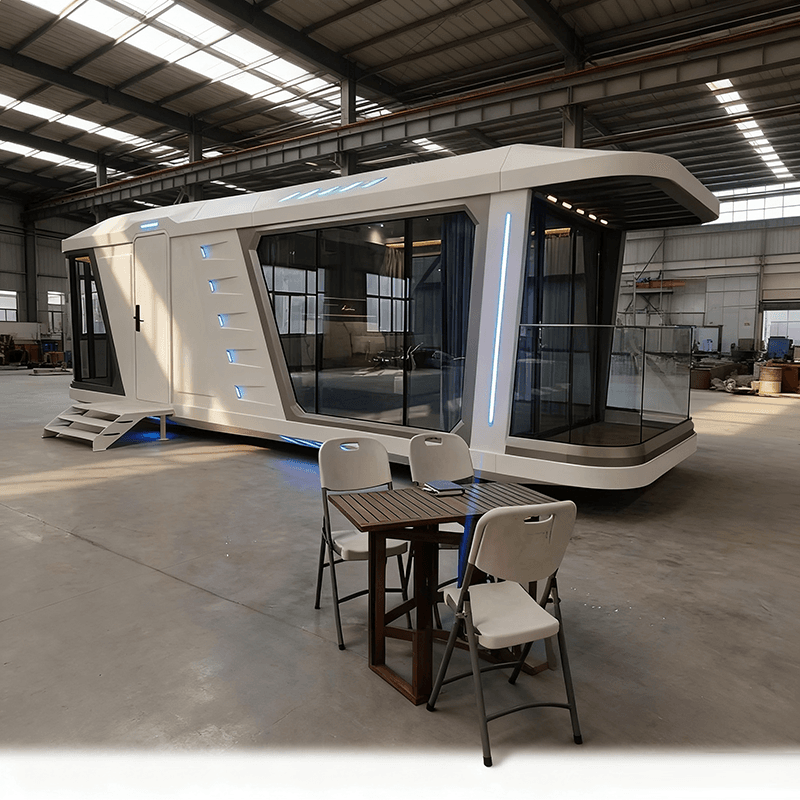
Color-coated steel sheets are composed of a colored coating layer on steel sheets combined with core materials such as foam or rock wool. They are lightweight, easy to install, and cost-effective. The core materials provide some thermal insulation, while the outer steel layer is weather-resistant, making them suitable for rapid construction. They are primarily used in temporary event venues, construction sites, and other scenarios sensitive to construction timelines and costs, such as short-term events like music festivals and sports competitions, or construction areas requiring frequent relocation.
Stainless steel is renowned for its high strength, corrosion resistance, and durability. It has a smooth, easy-to-clean surface and a modern, simple appearance. Its material properties effectively resist environmental erosion from moisture, acids, and alkalis, remaining deformation- and rust-resistant over long-term use. It is suitable for public places with high hygiene and aesthetic requirements, such as parks, squares, and scenic spots, including urban cores, high-end commercial districts, or tourist attractions with heavy foot traffic, meeting the demands of frequent use and long-term maintenance.
FRP (fiberglass-reinforced plastic) is molded from glass fibers and synthetic resins, offering advantages such as lightweight construction, high strength, corrosion resistance, and aging resistance. It is highly malleable, allowing for the design of streamlined or natural-looking shapes, with a smooth, non-absorbent surface that resists bacterial growth. It is commonly found in outdoor venues with complex environments, such as tourist attractions, seaside areas, and temporary large gatherings, including beach baths, mountain trails, or disaster emergency scenarios, where its weather resistance and lightweight properties adapt to extreme climates and rapid deployment needs.
Wooden materials are typically treated with preservatives to retain natural textures and a warm aesthetic, blending well with natural environments. They are eco-friendly but require regular maintenance to prevent cracking or insect infestation. They are mostly used in parks, resorts, and beautiful rural areas emphasizing ecological aesthetics, such as forest trails, rural tourism spots, or ecological parks, creating a harmonious and natural atmosphere to enhance visitor experiences.
The selection of different materials requires comprehensive consideration of usage scenarios, budget, maintenance costs, and environmental adaptability. For example, color-coated steel sheets or FRP are preferred for temporary events to reduce costs; stainless steel is recommended for high-traffic areas to ensure durability; and wooden materials can enhance landscape harmony in natural scenic spots.



