
Back to blog
Article
Mobile Public Toilet Installation
Admin October 12, 2026
The installation of mobile public toilets requires following a scientific process, covering key stages such as preliminary preparation, transportation and unloading, and installation and commissioning, while also considering material structure and environmental protection features.
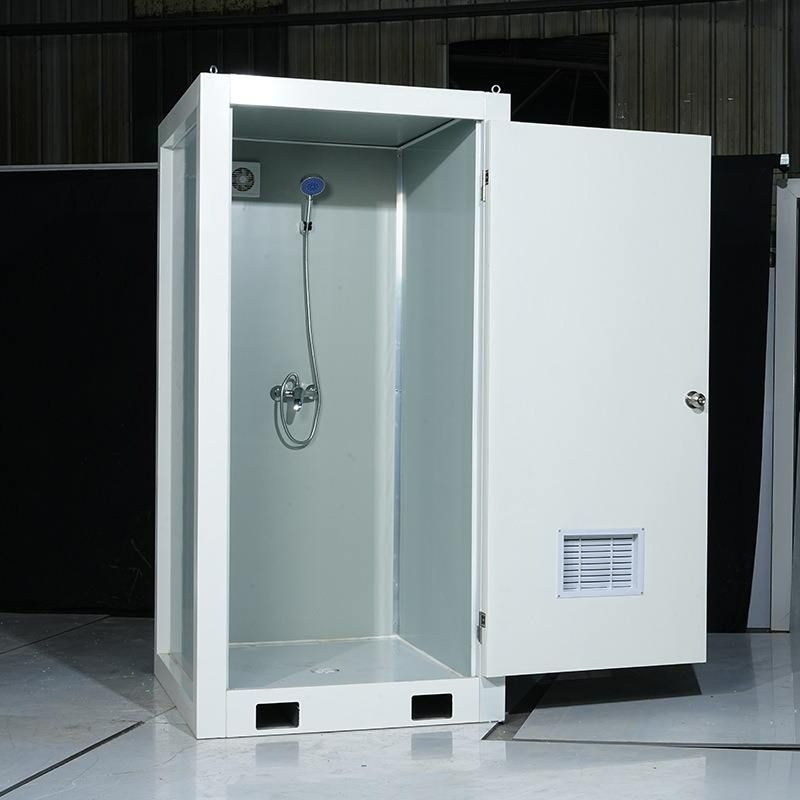
I. Preliminary Preparation
- Site Selection Requirements: Choose a flat area with good drainage, away from water pollution sources (e.g., at least 50 meters from rivers and lakes), and avoid low-lying areas prone to water accumulation. Maintain a reasonable distance from surrounding buildings and roads to ensure convenient use without affecting the environmental aesthetics.
- Ground Treatment: Check the ground's firmness. For soft soil (e.g., mud or sand), lay a 10-15 cm thick layer of wooden planks or gravel to enhance load-bearing capacity. Some scenic spots or public venues may need to apply for temporary facility permits from urban management departments in advance.
- Environmental Coordination: Select exterior materials based on the usage scenario (e.g., scenic spots or construction sites), such as anti-corrosion wood or metal carved panels, to ensure harmony with the surrounding environment.
II. Transportation and Unloading
- Transportation Fixation: Use a dedicated flatbed truck for transportation. Secure the toilet unit with nylon straps or steel cables to prevent structural deformation or component detachment due to shaking during transit.
- Unloading Operations: Upon arrival at the site, confirm the ground's load-bearing capacity (≥3 tons/square meter). Use a forklift or hydraulic lifting platform for unloading. For manual handling, coordinate with 4-6 people to avoid tilting or bumping the unit.
- Position Adjustment: Adjust the toilet's position using rollers or jacks to ensure a distance of ≤5 meters from drainage outlets and power sockets for easy subsequent connections.
III. Installation and Commissioning
- Windproof Fixation: Secure the base to the ground with M12 expansion screws or place 200 kg counterweights (e.g., concrete blocks). Increase the number of fixation points in coastal or windy areas.
- Drainage System: Connect PVC drainage pipes (diameter ≥110 mm) to municipal sewers or collection tanks, ensuring a slope of ≥2% for self-flowing sewage. Collection tanks must be equipped with sealed lids to prevent odor diffusion.
- Power Testing: Connect a temporary 220V power supply to test lighting (brightness ≥200 lux), flushing systems (water pressure ≥0.15 MPa), and, for eco-friendly toilets, check the fecal tank capacity (usually ≥500 liters) and deodorization device operation.
- Consumables Replenishment: Equip with standard supplies such as toilet paper (≥2 rolls per toilet stall), hand soap (≥500 ml per container), and disinfectants. Install door and window limiters to prevent wind damage.
IV. Material and Environmental Protection Features
- Structural Materials: The frame is welded from Q235 steel, with bottom channel steel thickness ≥8 mm and upright square steel dimensions ≥80×80 mm. Wall options include color-coated steel plates (thickness ≥0.5 mm) or aluminum-plastic panels (fire rating B1).
- Environmental Protection Technologies: Waterless toilets use microbial degradation or foam sealing technologies, with a daily treatment capacity of ≥100 person-times per stall. Water-flush toilets consume ≤0.6 liters per flush, meeting national water-saving standards.
- Applicable Scenarios: Suitable for environments ranging from -20°C to 50°C, ideal for temporary venues such as sports events, construction sites, and tourist attractions, with a service life of ≥10 years.



