
How to Clean Mobile Public Toilets
Cleaning mobile public toilets requires following standardized procedures, combining daily maintenance with deep cleaning to ensure hygiene standards are met and facilities remain intact.
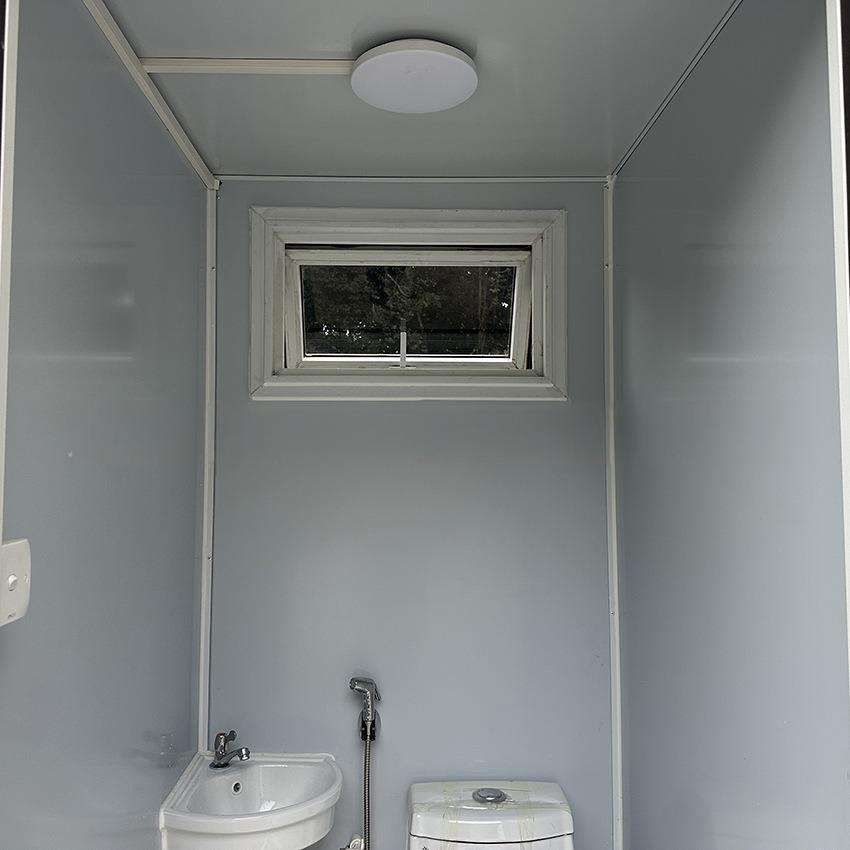
I. Standard Cleaning Process (Eight-Step Method)
Remove Dust and Cobwebs Use a broom or feather duster to clean dust from the ceiling, walls, window screens, and lighting fixtures, paying special attention to corners and hidden areas to remove cobwebs and prevent dust from contaminating other areas.
Wipe High-Touch Surfaces Use disinfectant wipes to clean doors, windows, handwashing sinks, partition boards, window sills, walls, and switches, with particular attention to high-touch areas like door handles and faucets to reduce the risk of bacterial transmission.
Scrub Excretory Facilities For uric acid and dirt in squat toilets, sit-down toilets, and urinals, use a specialized brush with a neutral cleaner to scrub. Stubborn stains can be soaked and treated repeatedly to ensure unobstructed drainage.
Clear Trash and Debris Sweep trash from both inside and outside the toilet area, replace trash bags in bins to prevent overflow or odor buildup. Clean up scattered items like cigarette butts and paper scraps in external areas.
Mop Floors Use a mop to remove standing water and stains from the floor, focusing on areas around toilets and corners. For stubborn stains, treat locally with a cleaner before mopping.
Inspect Facility Integrity Daily checks should be conducted on faucets, sensor flushing devices, and coat hooks for damage or looseness. Report faults promptly for repair to ensure normal facility operation.
Disinfect and Deodorize Spray chlorine-based disinfectant on high-touch areas like door handles, faucets, and switches at least three times daily; simultaneously activate deodorizing equipment or light incense to maintain fresh air.
Organize Cleaning Tools After cleaning, wash and dry mops, brooms, and wipes, then store them分类 (classify) in the tool room to prevent cross-contamination.
II. Cleaning Special Types of Public Toilets Fully automated rotating public toilets feature an automated design where the toilet rotates 180 degrees after each use, sending waste to a cleaning chamber for 360-degree high-pressure water rinsing and drying, with corner sprinklers simultaneously cleaning the floor. These toilets require regular inspection of mechanical components to ensure proper rotation and flushing functions, along with replenishing cleaners and disinfectants as recommended by the manufacturer.



