Mobile Public Toilet
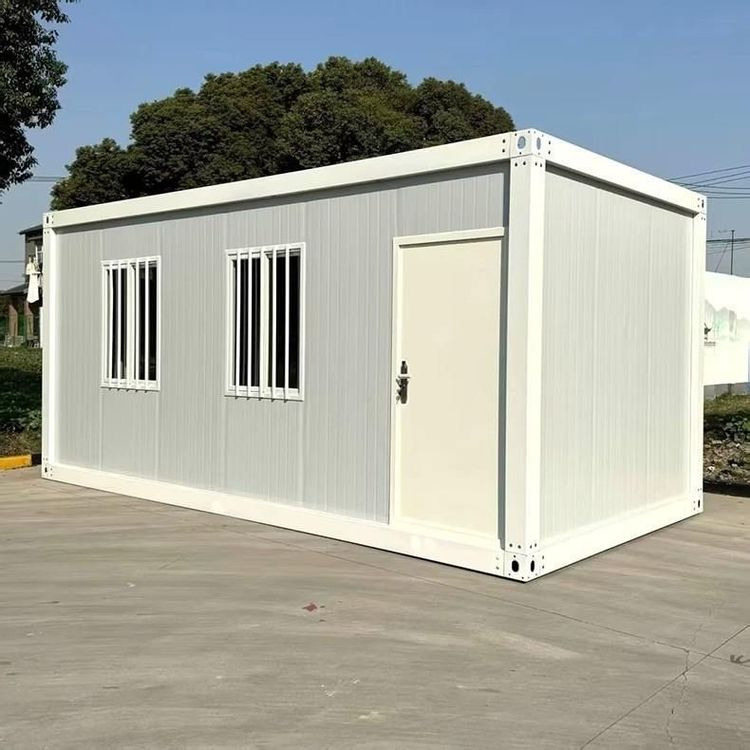
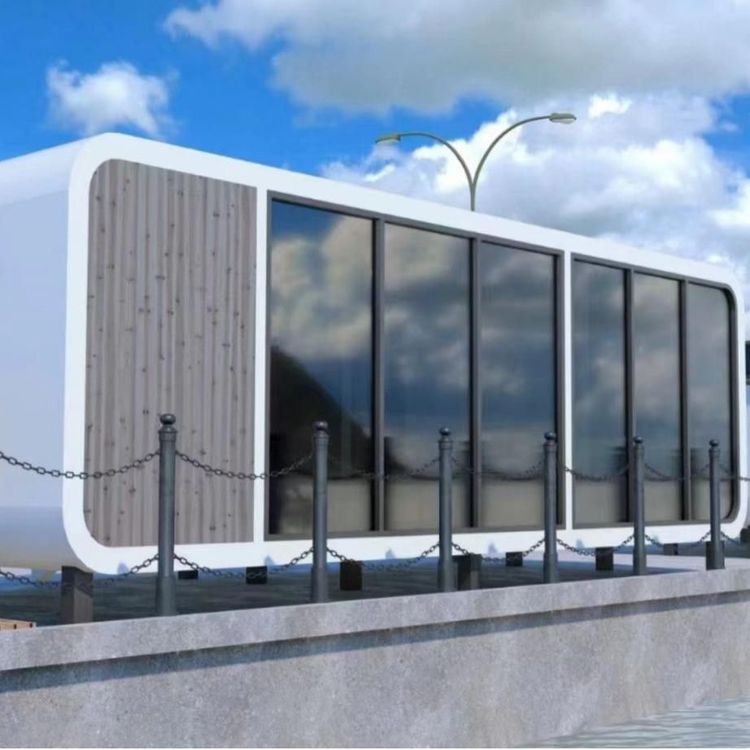
Mobile public toilets generally refer to portable toilet facilities that provide public restroom services, suitable for public places such as stations, docks, and commercial streets, featuring mobility, environmental friendliness, and durability.

Definition and Purpose
A portable toilet is a movable facility designed to meet restroom needs in both fixed and temporary locations. It has a wide range of applications, including stations, docks, tourist attractions, large construction sites, squares, and bustling commercial streets, effectively alleviating the shortage of restroom resources in public areas.
Structure and Composition
Portable toilets consist of fecal sewage storage tanks (or disposal units), flooring, sanitary ware, walls, washing equipment, water tanks, roofs, and mobile devices. The exterior wall materials can be selected according to needs, such as color-coated steel plates, metal carved plates, or stainless steel plates. The main structure is welded with national standard light steel keels to meet overall lifting requirements, ensuring convenience in transportation and installation.
Classification and Sewage Treatment Methods
- By structural form: Divided into single-unit structures (independent units) and composite structures (multi-unit combinations).
- By mobility method: Includes lifting-type, handling-type, powered-type, and towing-type, adapting to different transportation needs.
- By sewage treatment method:
- Water-flush and non-water-flush suction types: Collect excreta in storage tanks for regular suction and treatment.
- Circulating water-flush type: Equipped with intermittent aerobic and anaerobic treatment units, adding biological strains to accelerate decomposition. The treated water is recycled for flushing, achieving significant water-saving effects.
- Dry packing type: Without water-flush devices, excreta is collected in biodegradable plastic bags, which are automatically replaced and collected after use, suitable for water-scarce or high environmental protection requirement scenarios.
Features and Advantages
- Mobility: Can be quickly deployed to locations in need and reused repeatedly, flexibly responding to temporary events or emergencies.
- Environmental friendliness: Adopts water-saving technologies (e.g., the circulating water-flush type requires only 0.46 liters per person) and biodegradable materials to reduce pollution.
- Durability: The frame is welded with national standard steel and covered with anti-corrosion and fire-resistant materials, with a service life exceeding 20 years.
- Diversity: Product forms extend to trailer-type, box-type substation cabinet-type, etc., covering scenic spots, service areas, rural areas, and other scenarios.
Development History
Portable toilets originated from temporary needs and were initially made of wood with simple functions. Later, materials such as fiberglass and polyethylene were gradually adopted to improve durability and odor resistance. During the third public toilet revolution (from the 1990s to the end of the 20th century), waterless flushing, foam sealing, and other technical routes matured, forming细分品类 (sub-categories) such as antique-style and temporary construction site types, and supporting vehicle-mounted and traditional public toilet renovations.