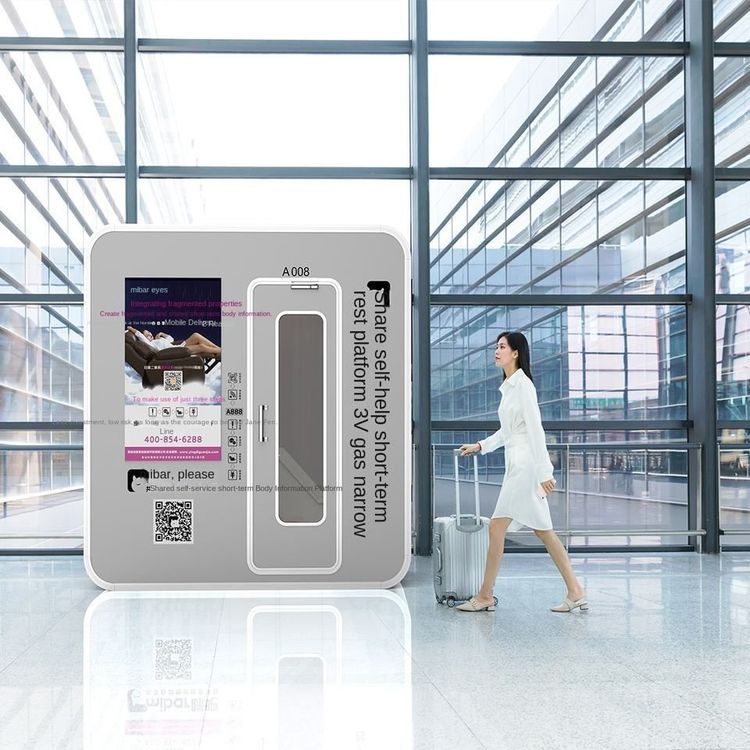
Mobile Public Female Toilet
The mobile public female toilet is a flexible application form of mobile toilets designed specifically for female users. It features rapid deployment and strong environmental adaptability, making it widely used in scenarios such as outdoor events, construction sites, and tourist attractions.
Product Types and Functional Adaptation
Mobile public female toilets can be classified into various types based on structural form and functional requirements. Single-unit mobile toilets are suitable for places with dispersed pedestrian flow, offering a compact structure but with a single toilet cubicle. Modular mobile toilets form multiple toilet cubicles through modular assembly, allowing for the addition of facilities such as sinks and urinals, and are equipped with a third toilet (including barrier-free access, a toilet seat, a washbasin, and a call device), significantly enhancing convenience for female users and special populations. Additionally, eco-friendly ecological toilets (such as those using microbial degradation or recirculating water flushing) further meet environmental protection needs by reducing water consumption and waste discharge.
Material and Structural Design
The main frame of mobile toilets is generally made of steel to ensure structural stability. Exterior wall materials can be selected from galvanized steel sheets, stainless steel sheets, aluminum sheets, or metal carved panels, balancing durability and aesthetics. The interior is insulated with rock wool or polyurethane, and the floor is covered with anti-slip flooring and a waterproof layer to ensure safety and comfort during use. For example, a butterfly-shaped mobile toilet features a metal carved panel exterior, with overall dimensions of 12 meters in length and 3 meters in width, and is internally divided into a management room, male and female toilet rooms, and a third toilet, with clear functional zoning.
Customized Services and Configurations
Enterprises can adjust the toilet's size layout, door and window positions, internal circuit configurations (such as sockets, lighting, and air conditioning reservations), and exterior colors according to user needs. Basic configurations include lighting systems, sockets, distribution boxes, and exhaust fans, with some products offering the option to install inverter air conditioners to enhance the user experience. For female users, enterprises can also provide barrier-free design products that comply with the General Code for Barrier-Free Design in Buildings and Municipal Engineering, such as adding toilet seats, handrails, and emergency call devices to meet usage needs in special scenarios.
Compliance with Regulations and Standards
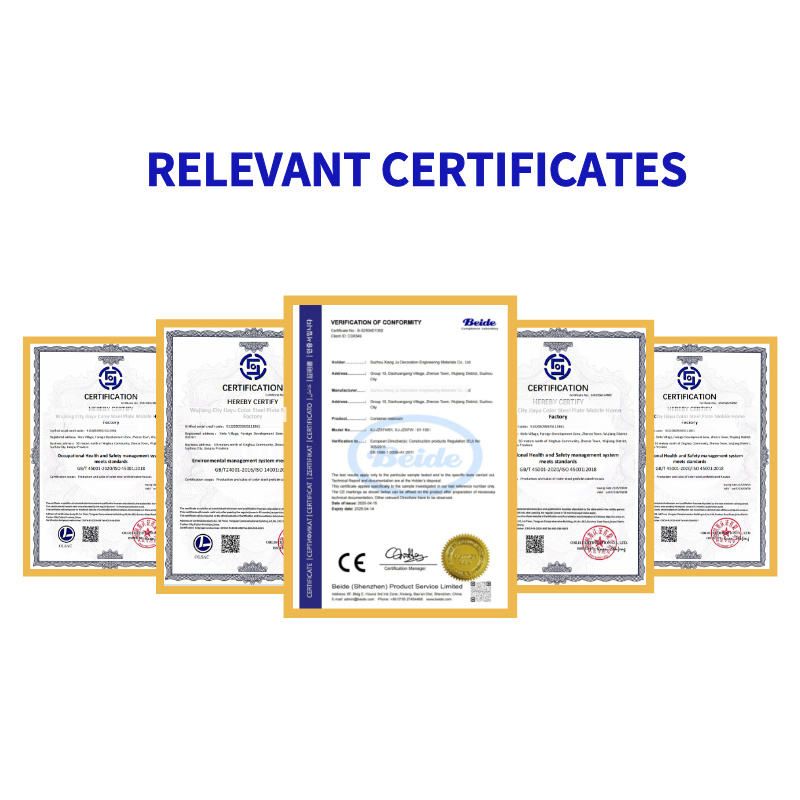
Public toilets (including mobile ones) must comply with barrier-free design regulations and be equipped with barrier-free toilets and related facilities. Some mobile toilet enterprises have launched products that meet national standards, integrating female toilet cubicles with barrier-free functions through modular design to ensure applicability and compliance.