
Mobile Prefab Toilet Sewage Pipeline
The types and characteristics of sewage pipelines for mobile prefab toilets are as follows:
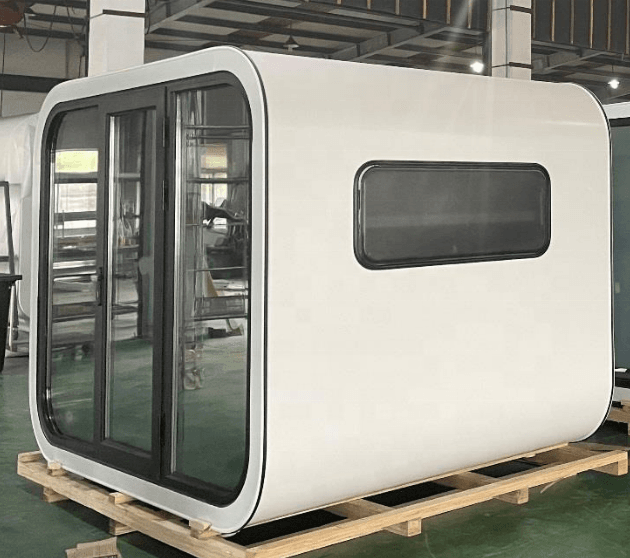
The sewage pipeline designs for mobile prefab toilets (mobile toilets) are diverse, mainly divided into the following types based on different usage scenarios and technical principles:
1. Conventional Water-Flush Sewage Pipeline
This type of pipeline requires connection to a water supply and drainage system, achieving sewage discharge through manual or automatic sensing devices. Sewage is discharged into septic tanks or municipal sewage networks through the pipeline, suitable for places with stable water sources and sewage discharge conditions, such as urban public areas and construction sites. Its advantages include high sewage discharge efficiency and good odor control, but it relies on external water supply and drainage networks, with relatively high initial installation costs.
2. Vacuum Sewage System Pipeline
This system utilizes negative pressure principles, quickly sucking sewage and waste into a collection container through a vacuum pump. The pipeline design must meet airtightness requirements. When the sewage in the public toilet reaches a preset water level, the vacuum pump automatically starts, achieving efficient sewage discharge. This method effectively prevents sewage leakage and odor diffusion, suitable for places with high environmental hygiene requirements, such as scenic spots and high-end event venues. However, the system has high complexity and requires regular maintenance of the vacuum pump and pipeline airtightness.
3. Water-Storage Sewage System Pipeline
Sewage is discharged into a storage tank through water flushing. When the sewage reaches a preset water level, the flushing device automatically starts, flushing the waste into the tank. After the storage tank is full, it requires manual cleaning or replacement, suitable for places with sufficient water sources and convenient transportation, such as temporary construction camps and remote areas. Its advantages include simple structure and low cost, but it requires frequent cleaning of the storage tank and has relatively weak odor control capabilities.
4. Other Special Types of Pipelines
- Water-Flush Direct Discharge Pipeline: Directly connected to sewage pipelines or septic tanks, suitable for places with complete sewage discharge facilities, such as mobile toilets around fixed buildings.
- Waterless Packaging Pipeline: Uses biodegradable plastic bags to collect waste, without the need for sewage pipelines, suitable for extreme environments without water sources or sewage discharge conditions, such as deserts and plateaus.
- Biodegradation Pipeline: Combines microbial technology to decompose organic matter in sewage into harmless substances before discharge, reducing reliance on traditional sewage systems, suitable for ecologically sensitive areas or long-term use of mobile toilets.
The selection of different types of sewage pipelines requires comprehensive consideration of water source conditions, sewage discharge facilities, usage frequency, and environmental requirements to ensure the hygiene and sustainability of mobile prefab toilets.



