
Mobile Portable Toilet Plastic
The application of plastic materials in mobile portable toilets is diverse, mainly including the transformation of waste plastic buckets, new lightweight designs, and portable finished products.
Firstly, waste plastic buckets can be creatively transformed into mobile portable toilets. By installing auxiliary structures such as universal wheels, wooden strips, and aluminum panels, the originally discarded plastic buckets can be given new functions and converted into multifunctional restrooms that can be freely moved outdoors. This transformation method is cost-effective and enables resource reuse, making it suitable for temporary or low-frequency use scenarios. For example, in outdoor activities or emergency rescue situations, such portable toilets can be quickly deployed to meet basic sanitation needs.
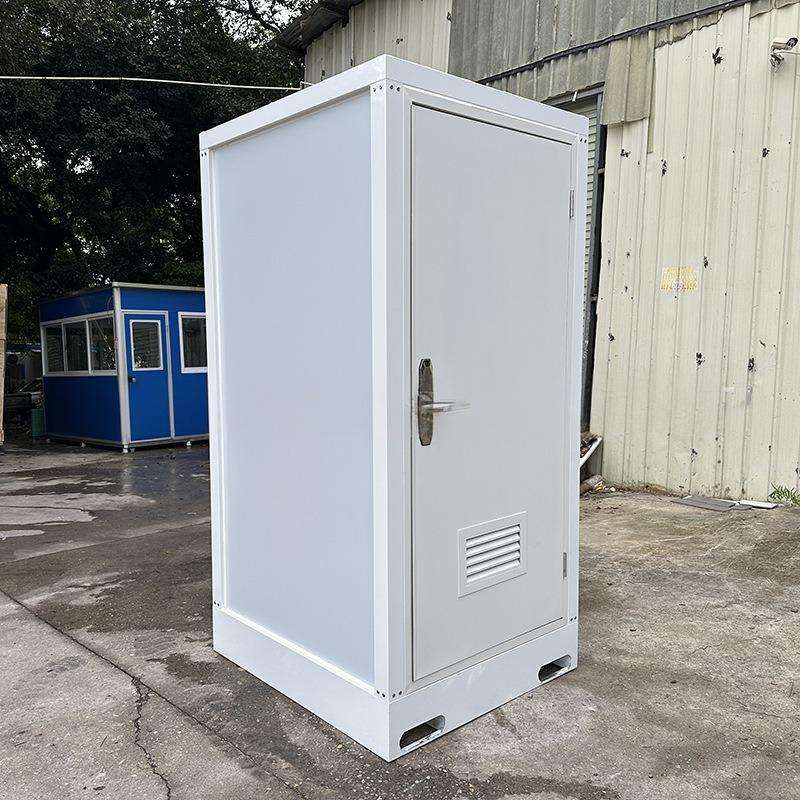
Secondly, the 2026 new lightweight plastic mobile toilets adopt a modular design with plastic as the core material. Their features include lightweight structures, the use of identification signs, ventilation systems, and large-capacity freshwater tanks. The sewage tanks are equipped with foot pump devices for cleaning through gravity flushing, while the exhaust pipes effectively remove odors, enhancing the user experience. These toilets are suitable for public places or short-term events. Their plastic material not only ensures structural strength but also reduces the overall weight, facilitating transportation and installation.
In addition, portable plastic toilets are another common form, usually equipped with their own fecal tanks and water tanks, eliminating the need to connect to external septic tanks or water and electricity systems. The finished products can be directly placed on the ground after transportation and are internally equipped with safety door locks and makeup mirrors, with ventilation louvers on the top to maintain air circulation. This design is particularly suitable for remote areas or temporary events without infrastructure support, such as wild camping and music festivals. Their plastic material is not only corrosion-resistant and easy to clean but also reduces manufacturing costs through integrated molding processes.
From the perspective of material properties, the application of plastic in mobile portable toilets is mainly based on its advantages of being lightweight, corrosion-resistant, and easy to process. Compared to traditional metal or concrete structures, plastic toilets are easier to handle and install and can achieve complex structural designs through injection molding processes to meet functional requirements such as ventilation and drainage. At the same time, plastic materials have strong tolerance to chemicals, making them suitable for storing and treating excreta and extending the service life of the equipment.



