Mobile Poor-Quality Toilet
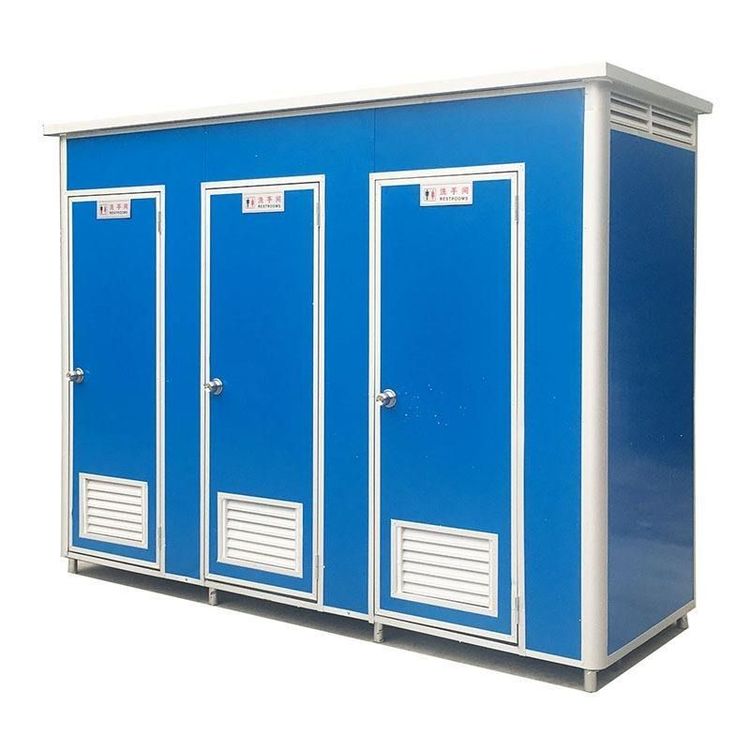
A 'mobile poor-quality toilet' typically refers to a mobile toilet with substandard quality, poor user experience, and inadequate sanitary facilities, with problems stemming from design and manufacturing defects, insufficient management and maintenance, and cost-cutting measures.

Mobile toilets are designed to meet temporary needs in public places such as parks, music festivals, and large events. However, low-quality mobile toilets can cause numerous issues. Firstly, design and manufacturing defects are the core reasons. Some mobile toilets use low-quality materials to reduce costs, such as thin metal sheets and inferior plastics, resulting in fragile structures that are prone to damage. Additionally, poor design, such as not considering ergonomics, leads to cramped spaces that limit user movement; loose connections to the ground make them prone to wobbling or even tipping over, posing safety hazards.
Secondly, inadequate management and maintenance exacerbate the problems. Delayed cleaning is a common issue. Due to their small capacity, if not cleaned promptly, they can generate odors and bacteria, even posing epidemic risks. Damaged equipment, such as malfunctioning flushing systems or broken locks, is also not repaired in a timely manner, affecting normal use. Furthermore, water-related facilities that are left idle or unused for long periods may develop technical issues like pipe bursts or leaks, further deteriorating the usage environment.
Thirdly, widespread drawbacks affect the user experience. Mobile toilets have limited space, making sanitation difficult, especially for obese individuals or those with mobility issues, making them extremely inconvenient to use. Hygiene is hard to maintain, as manual cleaning is often delayed, leading to the proliferation of bacteria and viruses. Privacy is also a concern, as the cramped space makes it easy to be observed, and users may come into contact with cleaning staff during cleaning, causing psychological discomfort. Additionally, maintenance costs are relatively high, with significant investments in labor, cleaning, and transportation, as well as high repair costs due to the need for independent supply systems for different components, increasing maintenance difficulty and costs.
Fourthly, the lack of responsibility from contractors or suppliers. Some irresponsible contractors or suppliers, in pursuit of profit, cut costs by using inferior materials, simplifying designs, and neglecting post-maintenance, resulting in low-quality mobile toilets and extremely poor user experiences.