
Mobile Plastic Toilet
A mobile plastic toilet is a toilet facility that can be moved as a whole and set up at fixed or temporary locations. It is lightweight, environmentally friendly, durable, and suitable for various public places.
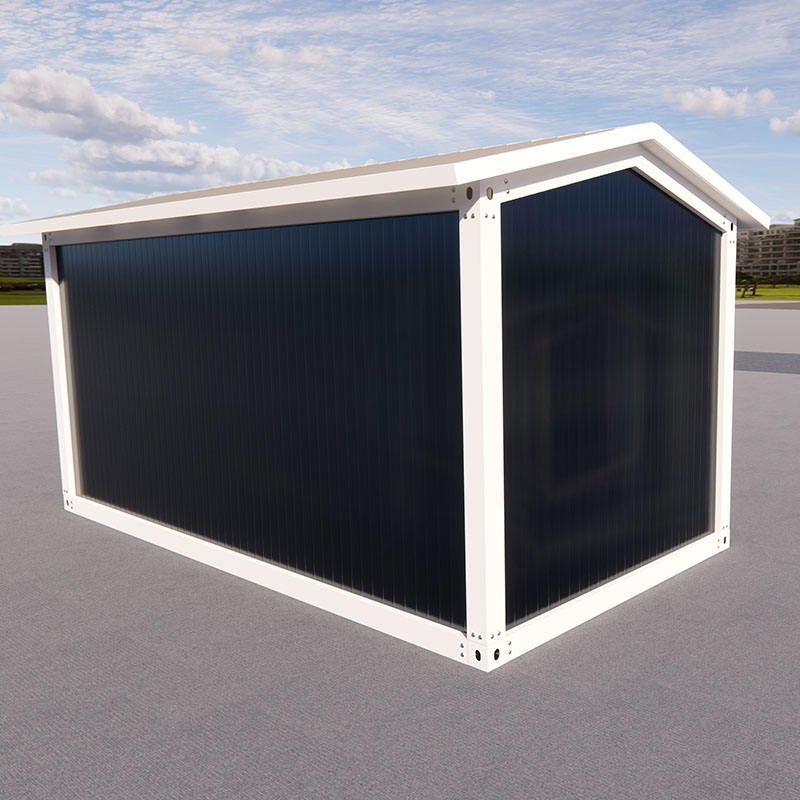
I. Basic Composition and Characteristics
A mobile plastic toilet typically consists of a fecal sewage storage tank (or disposal unit), flooring, sanitary ware, walls, washing equipment, a water tank, a roof, and a mobile unit. Its core material is plastic (such as polyethylene), which is lightweight, corrosion-resistant, and easy to clean. The lightweight design is guided by signage for use, equipped with a ventilation system, a large-capacity freshwater tank, and a gravity-flush sewage tank (operated by a foot pump). The exhaust pipe effectively removes odors, ensuring a pleasant user experience. Some models use composite materials such as fiberglass-reinforced plastic to enhance structural stability, balancing environmental friendliness and durability.
II. Material Development and Type Evolution
Early mobile toilets were mostly made of wood and later evolved into materials such as fiberglass-reinforced plastic and polyethylene. Plastic has become the mainstream choice due to its low cost and high moldability. Current mainstream types include:
- Lightweight Plastic Mobile Toilets: Primarily designed with modular components for easy and quick assembly and disassembly, suitable for temporary events or emergency scenarios.
- Repurposed Old Plastic Bucket Toilets: These are created by adding casters, door frames, and toilet water tanks to old plastic buckets, enabling resource recycling. They are cost-effective but have basic functions.
- Environmentally Friendly Plastic Mobile Restrooms: These use safe and eco-friendly materials, are equipped with integrated sinks and foot-operated water dispensers, and have a durability of up to 15 years, making them suitable for long-term use in scenic spots and parks.
III. Application Scenarios and Advantages
The mobility and adaptability of mobile plastic toilets make them widely used in densely populated areas such as stations, docks, tourist attractions, large construction sites, and squares. Their advantages include:
- Flexible Deployment: No fixed infrastructure is required, allowing for quick relocation based on demand.
- Environmental Protection and Energy Efficiency: Some models use water-saving designs or biodegradable technologies to reduce pollution.
- Cost-Effectiveness: Compared to traditional toilets, they have lower construction costs and simpler maintenance, making them suitable for short-term or temporary needs.
IV. Innovation and Sustainability
The creative repurposing of old plastic buckets reflects the concept of resource reuse, while the durable design of environmentally friendly mobile restrooms extends product life cycles and reduces long-term costs. In the future, with advancements in material science, mobile plastic toilets may further integrate intelligent monitoring and solar power supply functions, enhancing user experience and environmental friendliness.



