
Mobile Packaged Toilet
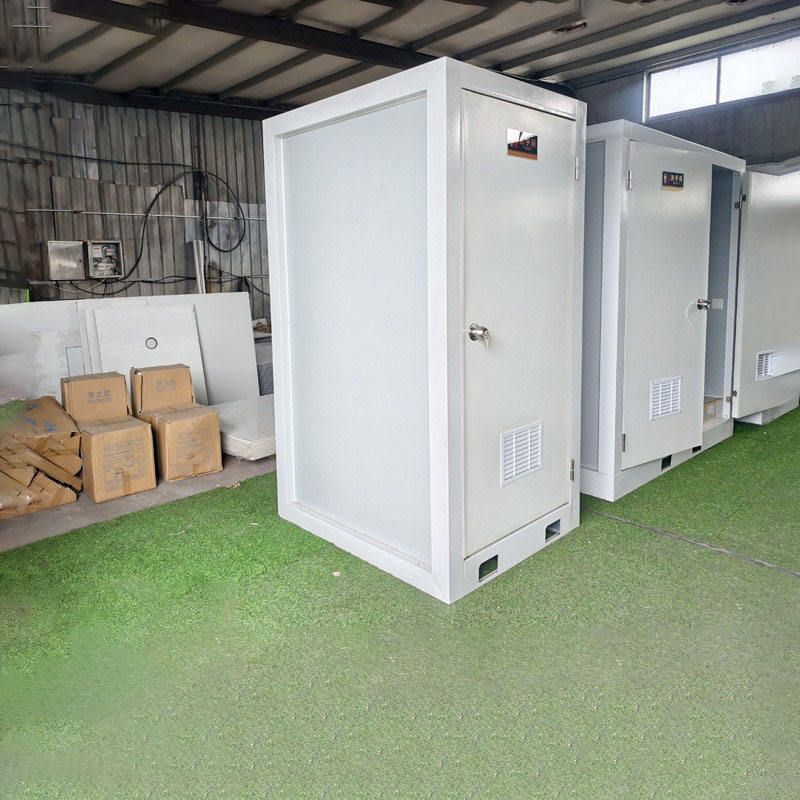
Mobile packaged toilets are a type of mobile toilet that can be used immediately upon placement without the need for connection to water, electricity, or sewage systems. They belong to the category of dry-packaged mobile toilets. Their core features, classifications, structural components, and product characteristics are as follows:
I. Core Features and Classifications
The greatest advantage of mobile packaged toilets lies in their independence from external water, electricity, and sewage pipelines, achieved through independently designed fecal storage devices that ensure environmental adaptability. They can be classified into three types based on sewage treatment methods:
- Water-flush and waterless suction types: These rely on a small amount of water for flushing, followed by the suction of waste into storage tanks using vacuum pumps or negative pressure systems. They are suitable for scenarios with high hygiene requirements but require regular cleaning of the storage tanks.
- Recirculating water-flush types: Equipped with sewage treatment devices, these filter and purify flushing water for reuse, reducing water consumption. However, their system complexity is higher, and maintenance costs are relatively larger.
- Dry-packaged types (i.e., packaged mobile toilets): These use biodegradable films or sealed bags to package and isolate feces, eliminating the need for water flushing. Waste is directly stored in the tank and subsequently processed collectively using specialized equipment. These toilets emit no sewage or odors and have low single-use costs, making them the preferred choice for outdoor events, temporary construction sites, and other scenarios.
II. Structural Components
The structural design of mobile packaged toilets balances functionality and mobility, primarily consisting of the following modules:
- Fecal storage system: The core components are sealed tanks or replaceable packaging bags, typically made of high-strength plastics or stainless steel to ensure leak-proofing and corrosion resistance.
- Sanitary fixtures: These include toilets or squat pans with anti-stick coatings on their surfaces to reduce waste adhesion. Some high-end models are equipped with automatic sealing devices to enhance the user experience.
- Walls and roof: These usually adopt lightweight alloy frames paired with fire-resistant and waterproof panels (such as color-coated steel sheets or aluminum-plastic panels), ensuring structural strength while facilitating disassembly and transportation.
- Mobility devices: Universal wheels or adjustable feet are installed at the bottom to support manual pushing or forklift handling, adapting to different terrain requirements.
- Auxiliary facilities: Some models integrate sinks, lighting systems (powered by solar energy or batteries), and ventilation devices to improve convenience of use.
III. Product Characteristics and Suitable Scenarios
Packaged mobile toilets come in a variety of brands and models, with materials ranging from plastics and metals to fiberglass-reinforced plastics, meeting different budget and durability requirements. Their core advantages include:
- Environmental friendliness: Dry-packaging technology prevents sewage leakage, reducing pollution to soil and water sources. The use of biodegradable materials further reduces environmental burdens.
- Flexibility: Modular design supports rapid assembly and disassembly. Single toilets are lightweight (typically weighing between 100-300kg) and can be transported by 2-3 people.
- Economy: There is no need to lay water and electricity pipelines, resulting in low initial investment costs. Single-use only requires the replacement of packaging bags, keeping long-term operating costs controllable.
Suitable scenarios include:
- Temporary events: Music festivals, sports events, exhibitions, and other short-term gathering places;
- Emergency rescue: Temporary sanitation facilities after earthquakes, floods, and other disasters;
- Remote areas: Field exploration, tourist attractions, and other regions without municipal pipeline coverage.
Through structural optimization and technological innovation, mobile packaged toilets have become indispensable environmental protection facilities in modern urban management and emergency support.



