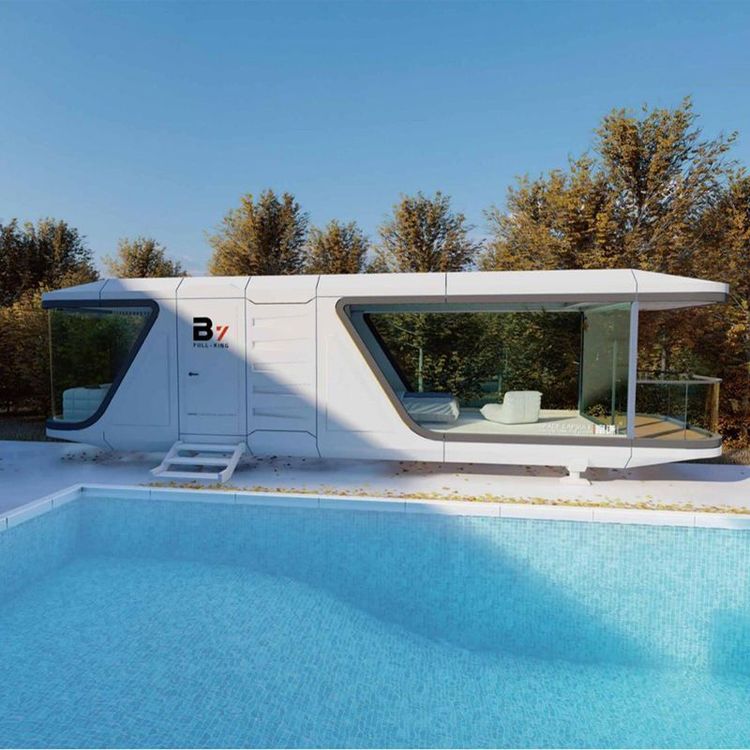
Mobile Light Steel Structure Toilet
A mobile light steel structure toilet is a portable toilet designed with a light steel structure, featuring rust and corrosion resistance, a lightweight yet sturdy structure, easy mobility, and reusability.

Applicable Occasions:
Mobile light steel structure toilets are suitable for various scenarios requiring temporary or flexible deployment of sanitation facilities. Examples include stations, docks, tourist attractions, villa areas, newly built residential communities, large construction sites, squares, densely populated public places, and bustling commercial streets. They are particularly common in scenic spots, campsites, and parks. For instance, some light steel mobile toilets are 10 meters long and 3 meters wide, covering an area of 30 square meters. Their walls are made of Great Wall panels with real stone paint decoration, giving them a high-end appearance. Other models, measuring 8 meters in length and 3 meters in width, feature exterior walls with red or gray brick patterns, providing spacious interiors. The men's toilet area includes 4 squatting and 4 standing positions, while the women's toilet has 4 squatting positions, meeting the needs of different groups.
Structural Composition:
Its core components include a fecal sewage storage tank (or disposal unit), flooring, sanitary fixtures, walls, washing equipment, water tanks, roofs, and mobility devices. The wall materials are diverse, such as Great Wall panels and red brick pattern panels, ensuring both structural strength and aesthetic appeal. The roof design emphasizes waterproofing and weather resistance, while the mobility devices are configured with lifting, towing, or power systems according to requirements, ensuring convenient transportation.
Classification Methods:
- By structural form: Divided into single-unit structures (independent units) and composite structures (multi-module combinations).
- By mobility method: Includes lifting and handling types (requiring lifting equipment) and powered towing types (capable of self-movement).
- By sewage treatment method: Divided into flush types (requiring a water connection), non-flush suction types (relying on vacuum suction), recirculating flush types (purifying and reusing sewage), and dry packing types (sealing and collecting feces), adapting to different environmental protection requirements.
Design Principles:
Adhere to principles of easy mobility, economic durability; environmental protection and ecology, reducing pollution; improving usage efficiency, and considering humanized needs. For example, using rust-resistant materials extends lifespan, modular design reduces maintenance costs, and non-flush or recirculating water technologies reduce water consumption, aligning with sustainable development concepts.