
Mobile Kitchen and Toilet
Mobile kitchen and toilet generally refer to combined or integrated design products of mobile toilets and mobile kitchens. Some of them support customization and are commonly seen in construction sites, camping sites, and other scenarios. They come in various structural forms and have flexible functional modules.
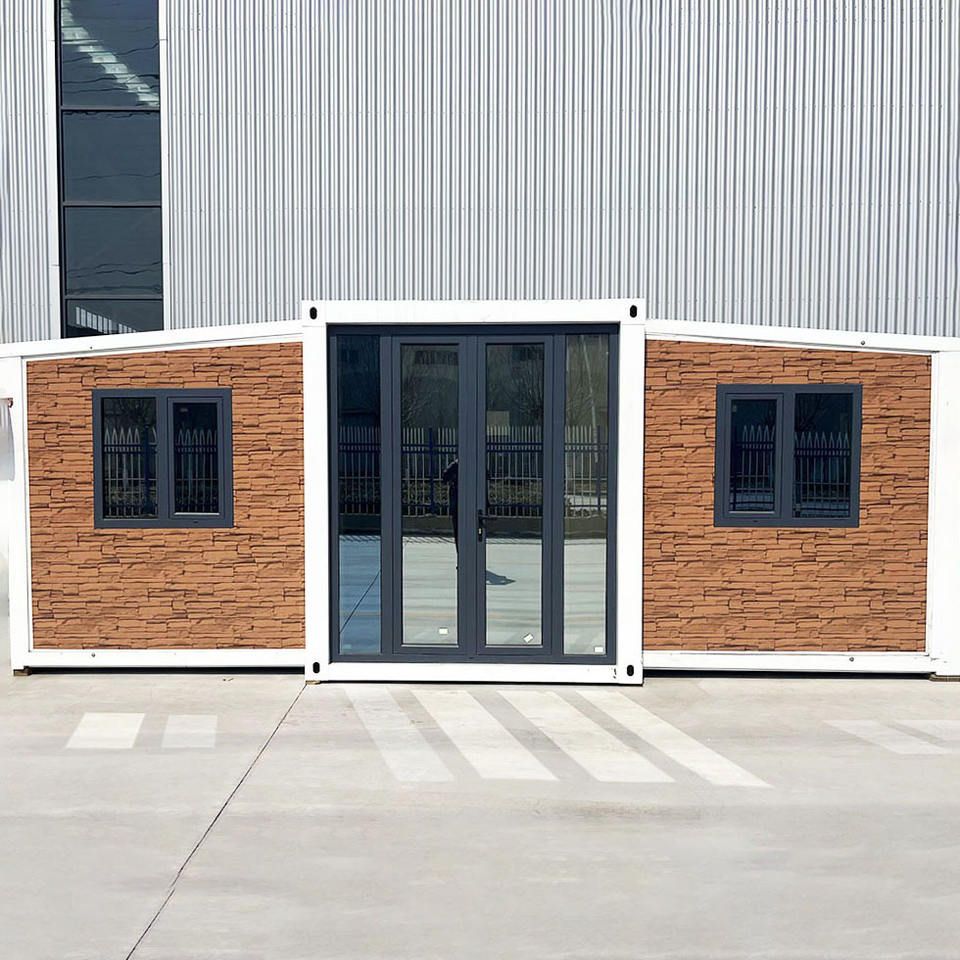
In terms of application scenarios, mobile kitchens and toilets are mostly used in places with high temporary or mobile demands. For example, the supporting equipment rooms for container camping houses in Guiyang, Guizhou, integrate mobile kitchens and toilets into the container structure, and can be planned and designed according to the needs of camping sites and construction sites; the movable panel houses in Ninghe District, Tianjin, offer combined sales plans of simple kitchens and temporary toilets for construction site scenarios; manufacturers in Weifang, Shandong, support the customization of integrated houses with container-style kitchens and mobile toilets to meet personalized needs. Through modular design, these products achieve the centralized integration of functions such as kitchen cooking, washing, and toilet use, improving the convenience of life in temporary places.
From the perspective of structural composition, the mobile toilet is one of the core modules of such products. It is usually composed of a fecal sewage storage tank, sanitary ware (such as toilets and washbasins), walls, a water tank, etc. The storage tank is used to collect excrement, the sanitary ware provides basic usage functions, the walls ensure privacy and structural stability, and the water tank is used for flushing or water supply. Some high-end products are also equipped with disinfection devices and ventilation systems to improve sanitary conditions.
In terms of classification methods, the structural forms of mobile toilets can be divided into single-unit structures and composite structures. A single-unit structure refers to an independent and complete single toilet unit, suitable for scenarios with limited space or scattered demands; a composite structure is composed of multiple units, which can form a row-type or multi-story layout to meet large-scale usage needs. According to the method of movement, they can be divided into lifting-type (requiring lifting equipment for handling), handling-type (handled manually or by small machinery), and power-towing-type (can be connected to a vehicle for towing). Users can choose the appropriate type according to the usage frequency and site conditions.



