Mobile Iron Container House
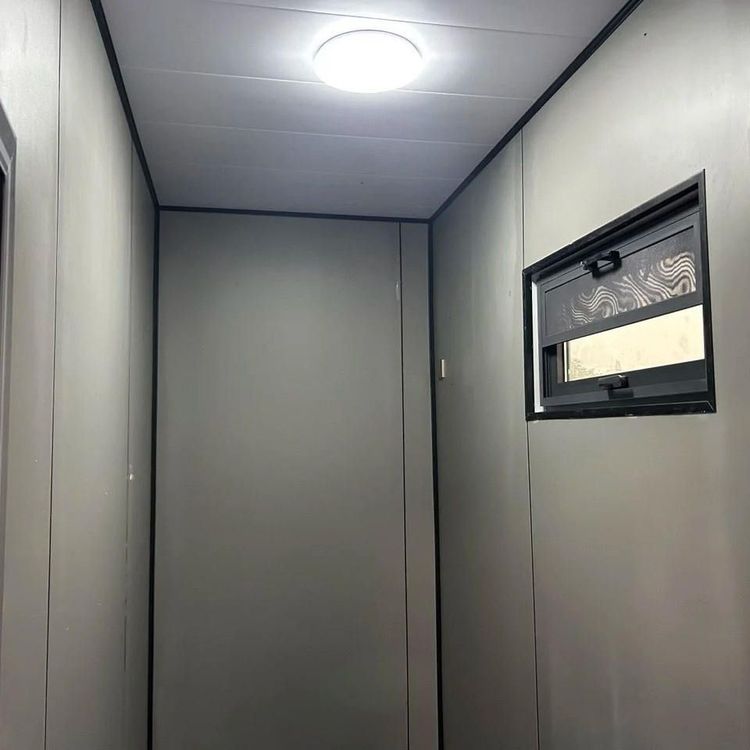
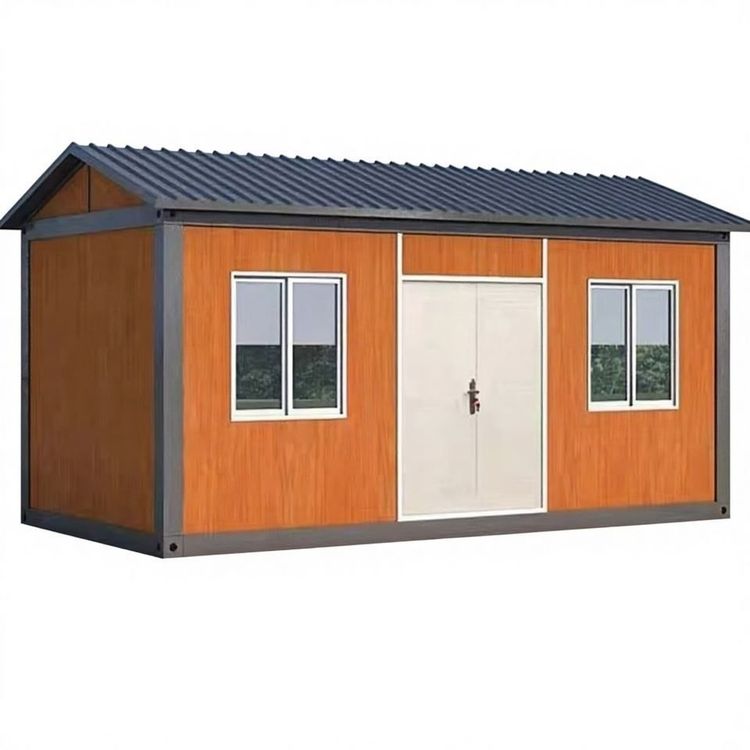
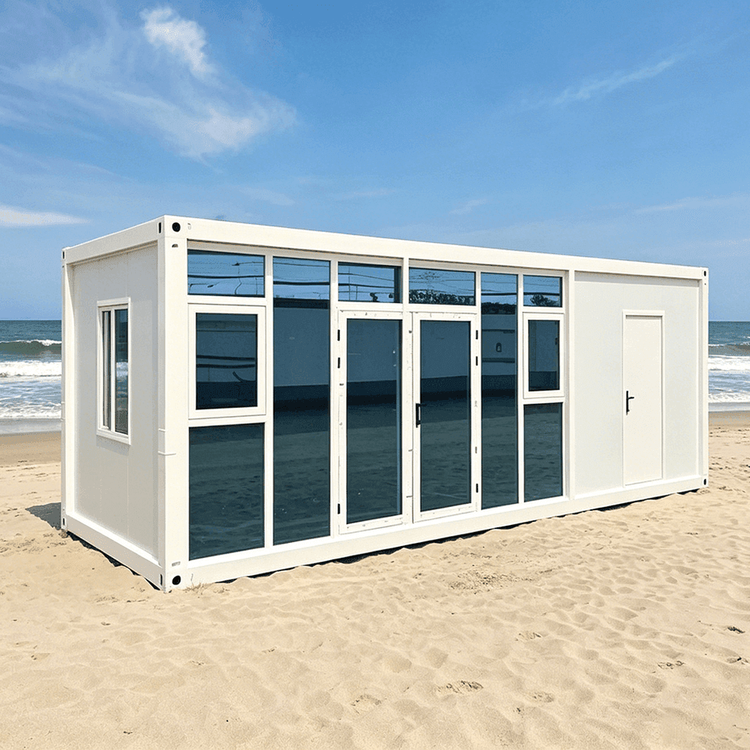
The mobile iron container house is a movable, modular building unit transformed from a standard container. It features a sturdy structure, convenient transportation, and reusability, making it widely applicable in construction site offices, temporary accommodations, emergency support, cultural tourism businesses, and other scenarios.

I. Structural Types and Characteristics
Container-style Office Houses
Based on standard containers (20-foot and 40-foot), these are transformed into independent office or living units. They can be used as single units or combined with multiple units, offering a sturdy structure and convenient transportation, suitable for project departments and construction site command centers. Their advantages lie in high standardization, low disassembly and assembly losses, with leading manufacturers' products capable of being disassembled and reused an average of over 8 times, reducing construction waste emissions by about 90% compared to traditional temporary buildings.Foldable Office Houses
Featuring a foldable design, these houses compress to 1/4 to 1/5 of their expanded volume during transportation, allowing a single truck to carry 15-20 units and reducing transportation costs by 30%-50%. They can be expanded in just 5-10 minutes, suitable for exploration teams and temporary command posts requiring frequent relocation. For example, the hydraulic automatic expansion structure from Suzhou Zhongnan Steel Structure Co., Ltd. can be deployed by a single person in 5 minutes.Expandable and Customized Houses
Expandable houses add side or end expansion modules to the container, increasing usable area by 30%-50%, suitable for long-term on-site offices. Customized houses incorporate elements like glass curtain walls and wood grain finishes for brand displays and cultural and creative parks, balancing functionality and visual appeal.
II. Application Scenarios and Advantages
Construction Camps and Temporary Accommodations
Through structural optimization (such as adding C-shaped steel purlins) and anti-corrosion treatment (zinc-rich primer + polyurethane topcoat), container houses can be stacked up to three floors and have a lifespan of over 15 years. For example, products from Baotou Xinxing Color Plate Steel Structure Manufacturing Co., Ltd. maintain stability in the windy and sandy environment of northwest China.Emergency Support and Cross-border Projects
Foldable containers offer significant advantages in emergency rescue, with products from Suzhou Zhongnan costing only 150 yuan per set for transportation and reducing storage space by 80%. Leading manufacturers' products are certified domestically and internationally, meeting cross-border export qualifications, with orders accounting for over 60%.Cultural Tourism and Commercial Scenarios
Modular assembly and personalized facade customization make container houses suitable for mobile commerce, cultural tourism accommodations, and other diverse scenarios. For example, the quick-assembly container houses from Guangzhou Jinge Steel Structure Engineering Co., Ltd. support customization and have monthly sales of up to 3 units.
III. Industry Development Trends
Low-carbon Circulation
Low-carbonization throughout the lifecycle has become mainstream, with compliant products capable of being disassembled and reused an average of over 8 times, improving resource utilization by 90% compared to traditional temporary buildings.Cross-scenario Versatility
High-quality products are designed to be modular, adapting to construction camps, emergency support, cultural tourism accommodations, and other scenarios, with their market share continuously expanding.Technological Upgrades
Technologies like weld-free quick assembly and bridge-cut inner lining structures enhance product performance. For example, rigid polyurethane foam filling reduces heat exchange efficiency between the inside and outside of the container by 40%, reducing heating energy consumption.