Mobile Intelligent Ecological Toilet Design
The design of mobile intelligent ecological toilets integrates technologies from multiple fields such as materials, sewage disposal, intelligence, and environmental protection, featuring durability, water conservation, intelligence, and ecology, suitable for various public scenarios.

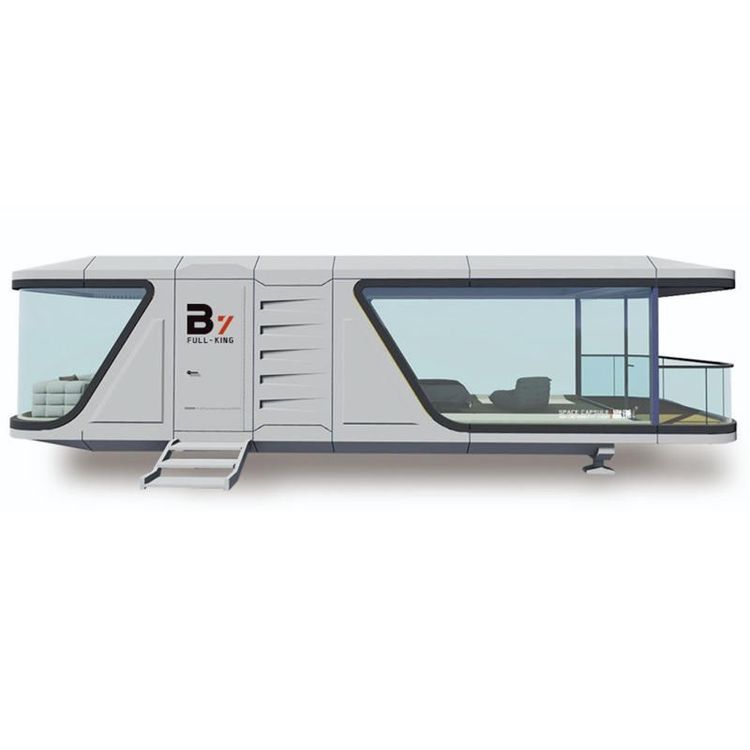
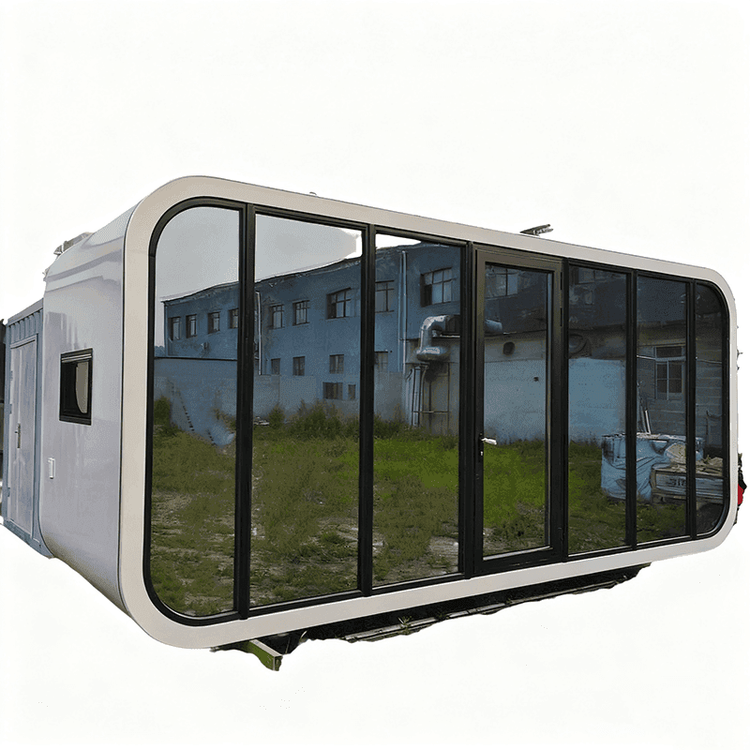
Material and Structural Design: The main frame is welded using national standard steel to ensure structural stability; the surface covering materials balance corrosion resistance, fire resistance, and aesthetics, such as color-coated steel plates, metal carved panels, anti-corrosion wood, or aluminum-plastic panels, with a service life of over 20 years. Some designs adopt a U-shaped apple pod structure, with the exterior walls using fluorocarbon-painted aluminum panels, enhancing both sturdiness and visual appeal, suitable for complex outdoor environments.
Sewage Disposal and Water Conservation Technologies: The sewage disposal efficiency is optimized through an independent toilet pit zoning system. The urine channel utilizes gravity flow, while the feces channel employs a piston-type scraper mechanical device for cleaning, reducing the risk of blockage. Multiple sewage disposal methods are supported: the water-flush type uses high-pressure water flow for cleaning, with the water-saving design reducing single-use water consumption to 0.46 liters; the packing type seals and treats excreta to prevent leakage; the foaming type uses foam coverage to reduce odors; the microbial decomposition type degrades organic matter through bacterial colonies, achieving zero sewage discharge.
Intelligent Functions: An integrated environmental sensing system intuitively displays usage status through breathing lights (e.g., red for occupied, green for unoccupied, blue for disinfecting), enhancing user experience. Equipped with a one-touch intelligent operation panel, it automatically controls functions such as flushing, ventilation, and lighting. Some designs also include metal three-way connections for spray nozzle water pipes, supporting multi-angle cleaning; the ventilation system quickly expels odors through negative pressure principles, and the lighting system uses energy-saving LED lights to reduce energy consumption.
Environmental Protection and Energy-Saving Design: PVC pipes are used to assemble showerheads, valve switches, and three-way pipes to construct a water resource recycling system, collecting handwashing and flushing water for toilet flushing or green irrigation. Microbial decomposition technology reduces sewage production by decomposing excreta through specific bacterial colonies, meeting ecological water-saving requirements. Some designs are also equipped with solar panels to supply power to lighting, ventilation, and other systems, further reducing energy consumption.
Application Scenarios and Forms: Covering public places such as scenic spots, service areas, rural areas, and construction sites, they support vehicle-mounted mobility (e.g., trailer-mounted) or fixed installation (e.g., box-type transformer cabinet style, stainless steel kiosk style). Traditional public toilets can be upgraded to intelligent ecological toilets through modular renovation, reducing renovation costs. The product forms are flexible and diverse, allowing selection based on site requirements: trailer-mounted (easy to move), box-type (high space utilization), or kiosk-type (small footprint).