
Mobile Installation of Public Toilets
Mobile installation of public toilets, also known as mobile toilets, are movable facilities designed to meet the public's restroom needs in temporary or fixed locations. The following provides an introduction from the aspects of composition, classification, characteristics, and applicable scenarios:
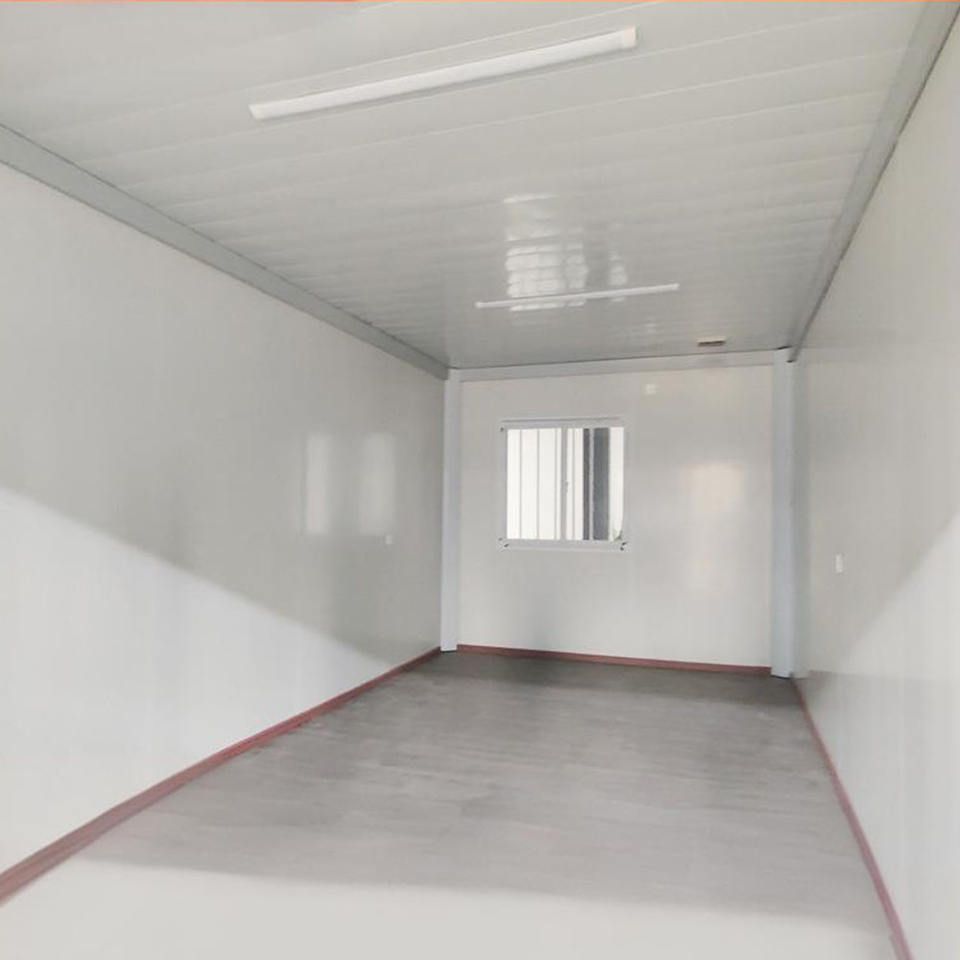
I. Basic Composition
Mobile toilets typically consist of core components such as fecal sewage storage tanks (or disposal devices), floor slabs, sanitary ware, walls, washing equipment, water tanks, roofs, and mobile devices. For example, customized public toilets in scenic spots with metal carved panels feature a welded steel frame structure. The exterior walls are made of metal carved panels, offering both thermal insulation and corrosion resistance. Inside, there are public handwashing areas, makeup mirrors, and stone wall lamps, balancing functionality and aesthetics.
II. Structural Classification
- By structural form: They are divided into single-unit structures (independent units) and composite structures (multi-unit combinations), with the latter capable of expanding capacity through modular design.
- By mobility method: They include lifting/handling types (requiring mechanical assistance) and powered/trailer types (with built-in power or capable of being towed), adapting to different transportation conditions.
- By sewage treatment method:
- Water-flush and waterless suction types: Rely on a water source or regular fecal suction.
- Recirculating water-flush types: Achieve water resource recycling through biological degradation or physical filtration.
- Dry packing types: Use biodegradable bags to collect feces, requiring no water flushing, suitable for water-scarce areas.
III. Core Advantages
- Mobility: Without the need for complex construction, they can be quickly deployed to temporary or fixed locations such as stations, docks, and tourist attractions to address restroom needs.
- Flexible combination: They support multi-unit splicing to meet peak foot traffic demands.
- Environmental protection and energy efficiency: Dry packing and recirculating water-flush types reduce water consumption, and some models are equipped with solar power systems to lower operating costs.
- Strong adaptability: The steel frame structure and corrosion-resistant materials make them suitable for diverse environments such as villa areas, new residential communities, and large construction sites.
IV. Typical Application Scenarios
These include densely populated public places (such as squares and commercial streets), temporary event areas (such as exhibitions and music festivals), and remote areas (such as mountainous scenic spots and construction sites). Their rapid deployment capability significantly improves the coverage efficiency of public health services.



