
Mobile Indoor Toilet
Mobile indoor toilets come in various types, each with distinct features to meet diverse scenario needs.
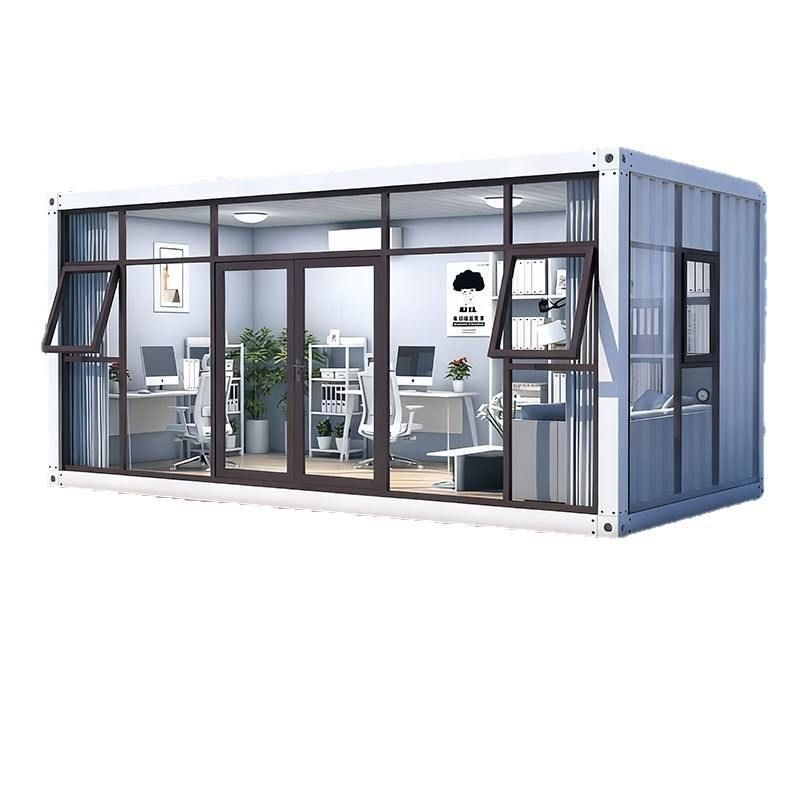
Classified by usage scenario and portability: There are indoor-outdoor dual-use mobile commodes. These are portable and lightweight, made of high-quality resin material, ensuring durability. Their ergonomic seats are soft and comfortable, offering multi-functional usage. Not only can the elderly and children use them beside the bed, but they can also be carried during outdoor camping, providing great convenience to users. They are particularly suitable for daily family use and short-distance outdoor activities.
Classified by structural form: Mobile toilets can be divided into single-unit mobile toilets and composite-structure mobile toilets. Single-unit structures are relatively simple and independent, occupying less space, and are easy to install and move, making them suitable for places with limited space or high temporary demand. Composite-structure mobile toilets, on the other hand, are composed of multiple parts, with a more complex structure and relatively more complete functions, able to meet the usage needs of more people. They are often used in large-scale events, construction sites, and other crowded places.
Classified by mobility method: This includes hoisting and handling mobile toilets, as well as powered and towed mobile toilets. Hoisting and handling mobile toilets mainly rely on lifting equipment or manual labor for movement, suitable for scenarios with low movement frequency and short distances. Powered and towed mobile toilets, however, have their own power or can be moved by vehicle towing, offering greater flexibility and convenience in movement. They can quickly reach different usage locations, suitable for occasions requiring frequent movement, such as tourist attractions and large-scale exhibitions.
Classified by sewage treatment method: There are water-flush and non-water-flush suction mobile toilets, circulating water-flush mobile toilets, and dry-packing mobile toilets. Water-flush and non-water-flush suction mobile toilets treat fecal sewage through water flushing or suction, providing good cleaning effects. Circulating water-flush mobile toilets can recycle treated water, saving water resources. Dry-packing mobile toilets, on the other hand, pack feces in bags, requiring no water, making them more environmentally friendly and energy-efficient, suitable for areas with scarce water resources or high environmental protection requirements.



