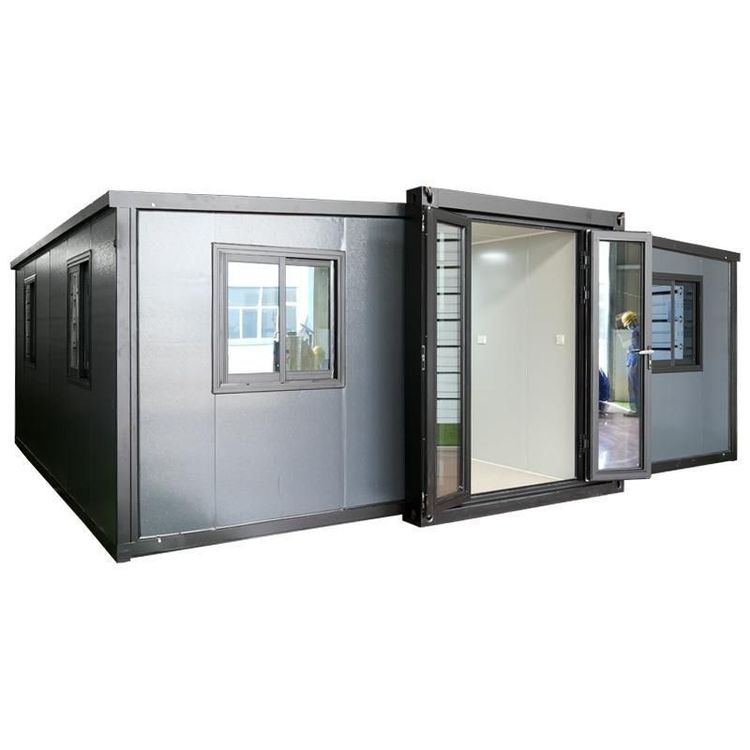
Mobile House Single Room Without Toilet
Mobile house single rooms without toilets are typically not equipped with them due to factors such as materials, waterproofing, and service life. Temporary or long-term solutions can be employed to address toilet needs, and some houses can be modified to include toilets.

Reasons for Not Having a Toilet
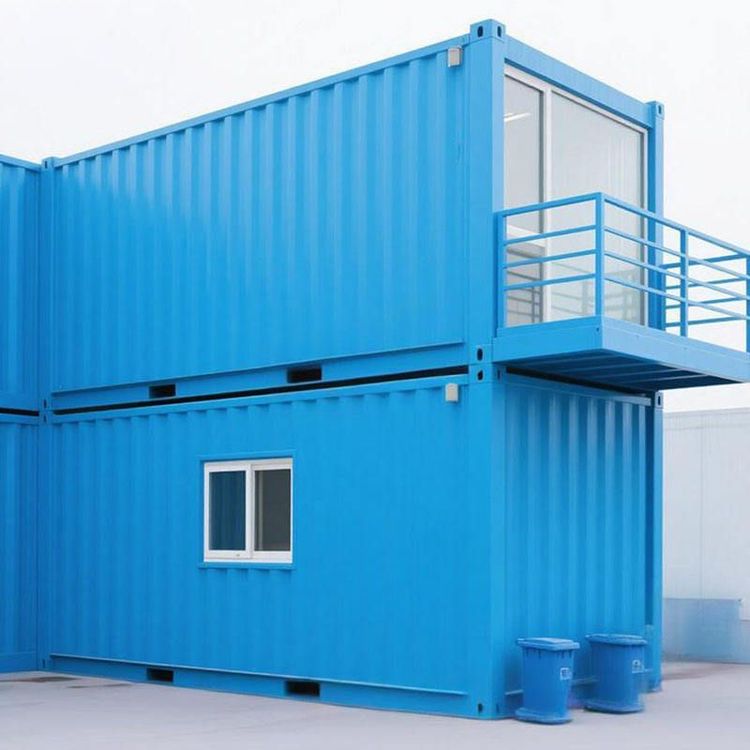
Construction site portable cabins are typical examples of mobile houses. The absence of a toilet in these structures is mainly considered from three aspects:
- Material Characteristics: Portable cabins are made of sandwich panels. Prolonged exposure to water or corrosive substances can accelerate material aging and reduce structural stability.
- Waterproofing and Damp Prevention: Toilet use generates a significant amount of moisture. If waterproofing is inadequate, it can lead to internal dampness, increasing maintenance difficulty and costs.
- Service Life: Moisture and corrosive components in waste can accelerate rusting of the metal frame, shortening the overall lifespan of the house.
Temporary Solutions Without a Toilet
If a single room lacks a toilet, the following temporary measures can be taken:
- Use of Bedpans or Commodes: Choose portable containers such as plastic bedpans or commodes. Promptly clean up waste and wash the container and surrounding area with chlorine-based disinfectants to prevent odors and bacterial growth.
- Renting Portable Toilets: Contact professional rental companies to place portable toilets (such as standalone or trailer-mounted units) near the house. Ensure proper connection of sewage pipes and regular maintenance and cleaning.
Long-Term Solutions Without a Toilet
For long-term use, consider the following modification or construction measures:
- Internal House Modification: After assessing the structural load-bearing capacity of the house, lay drainage pipes and perform waterproofing (such as applying waterproof coatings or installing waterproof layers) to divide the single room into functional areas including a toilet. This must be done by a professional team to avoid damaging the main structure.
- Building an Outdoor Simple Toilet: Utilize the space around the house to construct a septic tank or ecological toilet. Ensure proper odor control (such as installing exhaust fans or using biodegradable agents) and comply with local building codes and environmental requirements (such as sewage discharge distances and septic tank capacities).
Modification Examples of Some Mobile Houses
Some small mobile houses can achieve toilet functionality through spatial optimization. For example, a 28㎡ open-plan single room was divided into one bedroom, one living room, one kitchen, and one bathroom by cutting up space, using semi-transparent painted glass mirrors to hide the toilet entrance, and optimizing cabinet and storage designs. Such modifications require structural feasibility and involve higher costs, differing from the “no-toilet” attribute of conventional portable cabins.