
Back to blog
Article
Mobile House Shipping Container
Admin September 15, 2026
Mobile houses use shipping containers as their basic structure, achieving rapid construction, flexible relocation, and circular reuse through modular design and factory prefabrication, becoming an important solution for low-carbon and scenario-based construction globally.
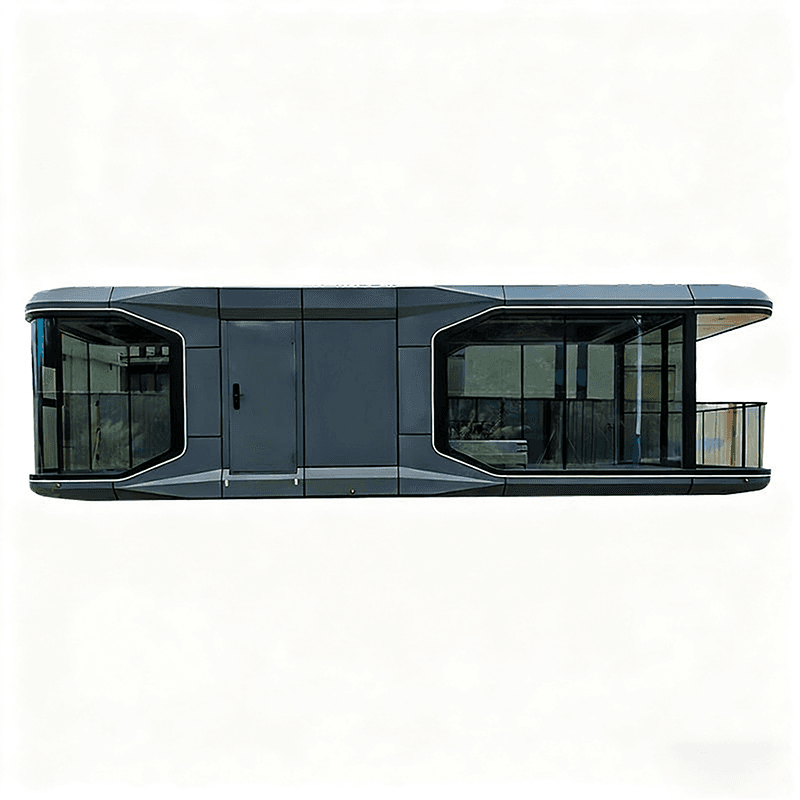
1. Technical Principles and Structural Advantages
Shipping containers, as standardized transportation units, feature uniform dimensions (such as 20-foot and 40-foot sizes), high-strength steel frames, and waterproof and corrosion-resistant properties. Based on these, mobile houses achieve functional upgrades through modular renovation:
- Structural Reinforcement: Adopting a welding-free quick-assembly process, bolted connections replace welding, reducing disassembly and reassembly losses and ensuring structural stability after multiple relocations. For example, leading manufacturers' products can be disassembled and reused an average of more than 8 times, with construction waste emissions reduced by about 90% compared to traditional buildings.
- Spatial Expansion: By stacking and connecting container modules, multi-story or large-area buildings can be quickly constructed. For instance, a British customer purchased 63 modular elderly care apartments, with on-site hoisting and construction completed in just two weeks.
- Functional Integration: Precision assembly of steel structures, walls, pipelines, and bathrooms is completed in the factory, requiring only simple on-site connections for use, shortening the construction period by more than 60% compared to traditional methods.
2. Application Scenarios and Market Demand
Mobile houses cover diverse scenarios with their flexibility and cost-effectiveness:
- Engineering Camps: As on-site dormitories and temporary offices, they support rapid deployment and relocation, reducing labor and material costs. For example, the MRDC hotel project in Papua New Guinea adopted a modular solution, shortening the overall period from 14-18 months to 7 months.
- Cultural Tourism Homestays: Through personalized exterior customization and internal functional renovation, they meet the demands of vacation villas and网红打卡地 (internet-famous spots), improving resource utilization.
- Emergency Support: In natural disasters or temporary medical scenarios, they can quickly set up medical stations and shelters to meet urgent needs.
- Cross-border Engineering: Compliant with international transportation standards (such as HS code 9406), they support global exports, with China's prefabricated building exports growing by 45% year-on-year in the first half of 2026, indicating strong overseas market demand.
3. Low-carbon and Compliance Trends
The industry is moving towards full-lifecycle low-carbon circulation:
- Material Recycling: Supporting multiple disassembly and reuse cycles, leading products have high resource utilization rates, aligning with circular economy policies.
- Compliance Certification: Manufacturers need domestic and international certification qualifications to ensure products meet cross-border export and low-carbon attribute requirements. For example, CIMC's modular data center business revenue surged more than fivefold year-on-year, benefiting from its prefabricated technology compliant with international standards.
- Scenario Adaptation: Products need to cater to diverse scenarios such as engineering camps, mobile commerce, and cultural tourism accommodations, enhancing versatility through modular connections and functional renovations.



