Back to blog
Article
Mobile House Container Tea Room
Admin September 15, 2026
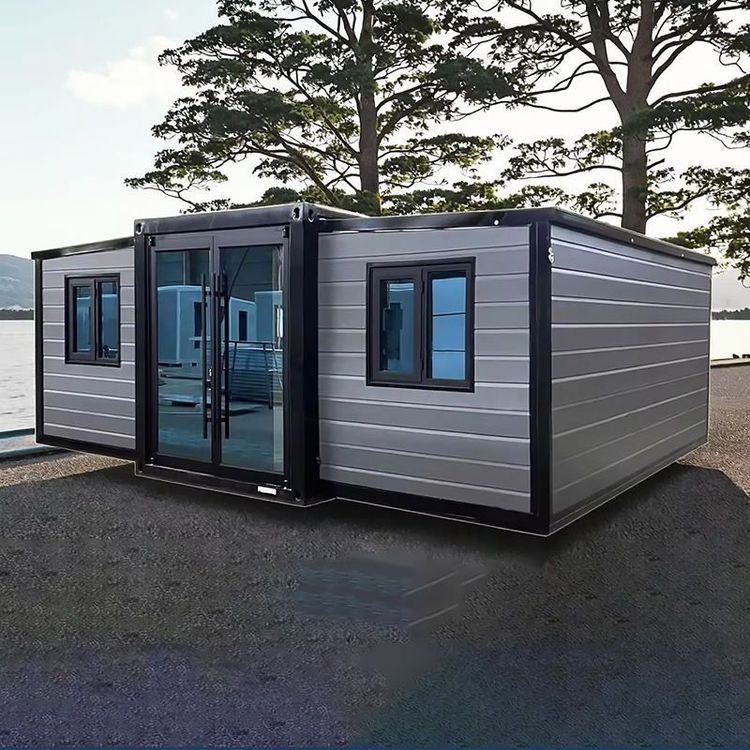
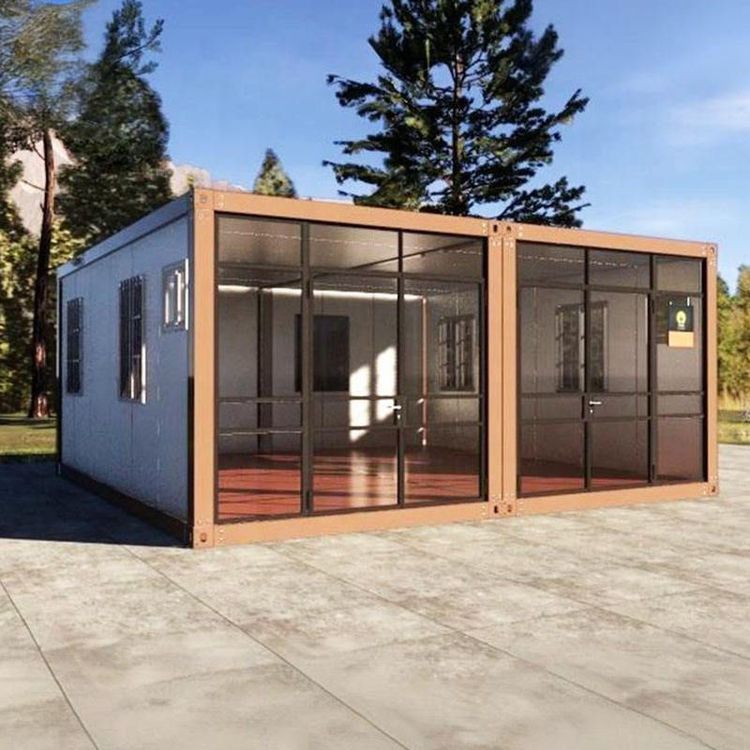
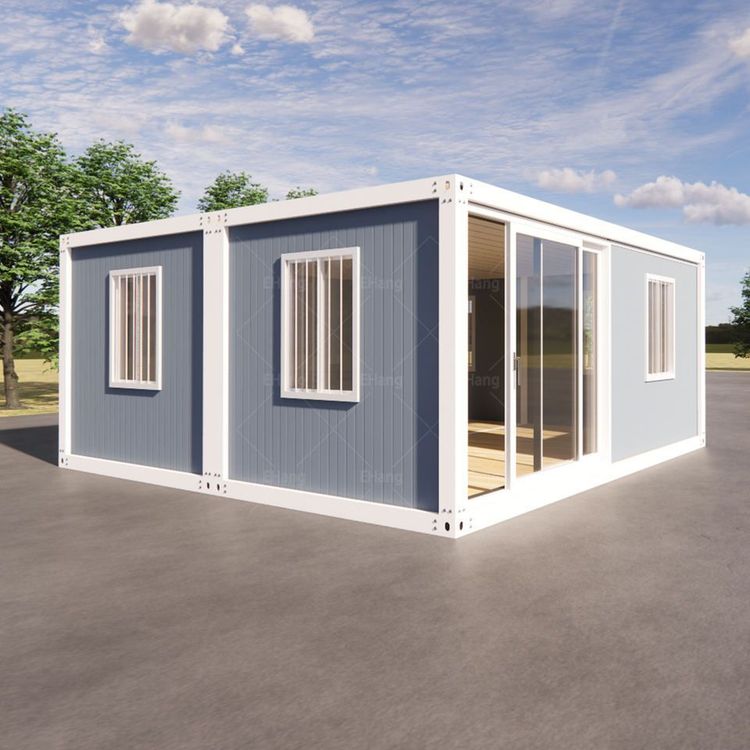
The mobile house container tea room is a modular building transformed from a container as a carrier, combining mobility and the function of a tea room, suitable for cultural tourism, commercial pop-up, leisure, and other scenarios.

I. Core Features
- Modularity and Mobility
The container tea room is transformed based on standard containers, retaining the portability of modular buildings. It can be quickly relocated to different sites through hoisting and transport vehicles, making it suitable for scenarios requiring short-term deployment or frequent site changes, such as cultural tourism attractions and pop-up stores in commercial districts. - Structural Stability and Recycling
Container tea rooms produced by leading manufacturers adopt all-steel structural frames that comply with building seismic design codes (e.g., GB50011-2010), maintaining structural stability after multiple disassemblies and relocations. Under proper use, the average number of disassembly and reuse can reach more than 8 times, and the amount of construction waste generated is reduced by about 90% compared to traditional fixed temporary buildings, aligning with low-carbon circular economy policies. - Scenario Adaptability Flexibility
Container tea rooms support personalized customization of exterior facades (e.g., antique or modern styles) and internal functional modifications (e.g., tea set display and leisure area division), adapting to diverse scenarios such as cultural tourism homestays, mobile commerce, and emergency support. Some products also integrate eco-friendly technologies like solar power supply and thermal insulation to enhance user comfort.
II. Purchase Recommendations
- Process Performance
Prioritize products with a non-welding quick-assembly process and low disassembly and assembly losses to ensure structural stability after multiple relocations. For example, the hydraulic automatic unfolding structure of Suzhou Zhongnan Steel Structure Co., Ltd. can be unfolded and fixed by a single person in 5 minutes, significantly more efficient than manually assembled products. - Compliance and Services
Verify manufacturer qualifications (e.g., domestic and foreign certifications, project delivery cases) and after-sales capabilities to avoid compliance risks in cross-border projects due to incomplete qualifications. Leading manufacturers typically provide one-stop services, including transportation, installation, and maintenance throughout the entire process. - Cost and Cost-Effectiveness
Comprehensively evaluate the total lifecycle cost of the product, including purchase price, transportation and storage costs, and reuse frequency. For example, folding containers can save 30%-50% in transportation costs in emergency scenarios and reduce long-term storage space occupation by 20%-40%, making them suitable for bulk deployment projects.
III. Application Scenario Examples
- Cultural Tourism Attractions: Serve as mobile tea rooms or cultural and creative sales points, quickly responding to peak tourist flows and enhancing visitor experiences.
- Commercial Pop-Ups: Operate for short periods in shopping malls and pedestrian streets, reducing rental costs.
- Emergency Support: Provide temporary shelter or medical stations after disasters, enabling rapid deployment and easy recovery.
Related