
Waterproofing for Mobile House Container Roofs
Waterproofing for mobile house container roofs can be achieved through architectural waterproofing design, improving drainage systems, ensuring sealing performance, taking additional waterproofing measures, and conducting regular maintenance.
Architectural Waterproofing Design
During the design phase of foldable container houses, full consideration should be given to waterproofing needs. Waterproof materials should be installed on the roof and walls to effectively prevent rainwater from infiltrating the interior of the building, providing a fundamental guarantee for container roof waterproofing.
Improving Drainage Systems
The roof should be equipped with appropriate drainage facilities, such as drainage channels and pipes. A well-designed drainage system can promptly remove rainwater, preventing the occurrence of water accumulation and thus reducing the risk of leaks caused by water buildup.
Ensuring Sealing Performance
- Roof Edge Sealing: After the overall structure is completed, manufacturers apply sealant to the gaps at the roof edges, which plays a crucial role in overall waterproofing and sealing. For example, a 3*6-meter container mobile house typically requires about 4 boxes of sealant.
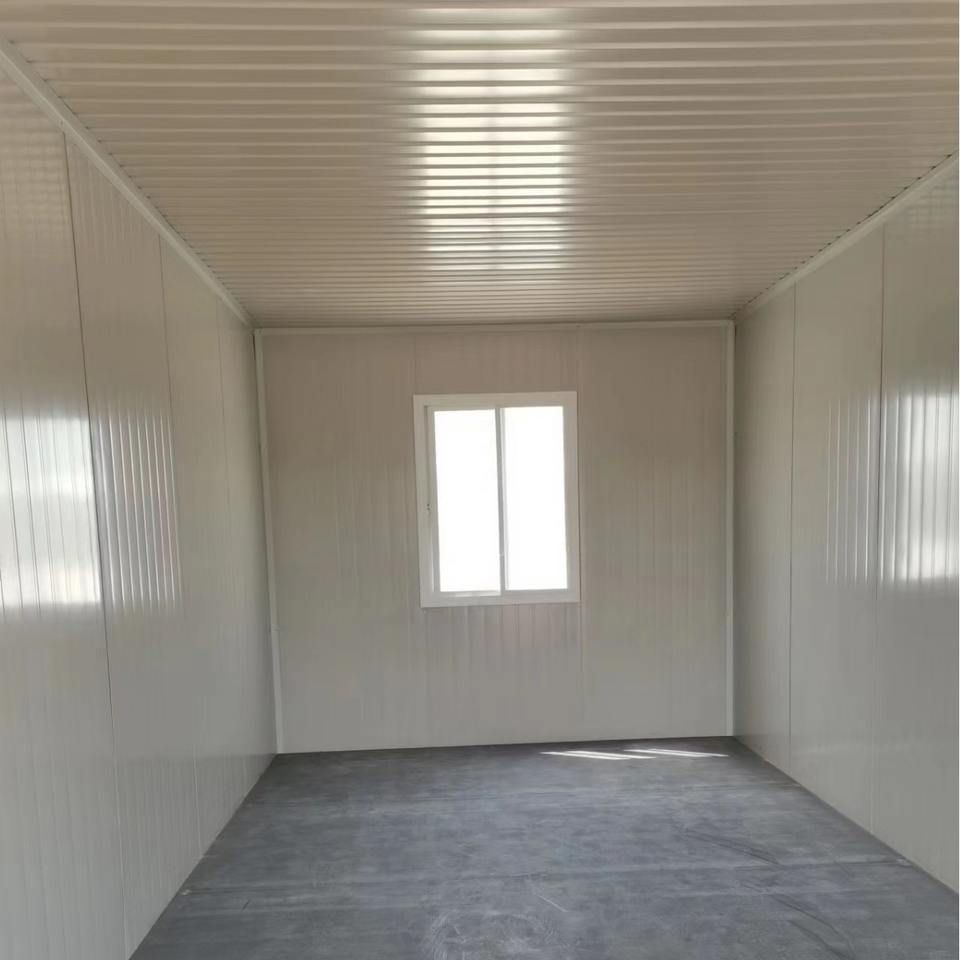
- Panel Connection Sealing: The roof panels are covered with steel sheets that are processed into an alternating concave-convex pattern. The protruding parts of the steel sheets are connected, reducing the likelihood of leaks. Additionally, sealant is applied to the connections between the roof panels to further enhance the roof's waterproofing performance.
- Connection Part Sealing: The connection parts of foldable container houses should have good sealing performance. Effective sealing measures, such as using sealing strips and sealants, should be taken during the design and construction process to ensure the airtightness of the container house.
Taking Additional Waterproofing Measures
- Adding Waterproof Membranes or Coatings: During the design and construction process, waterproof membranes or coatings can be added to the roof and walls to improve rain resistance.
- Integrated Waterproofing and Anti-Corrosion Construction: Container mobile houses can adopt integrated waterproofing and anti-corrosion construction, using organosilicon waterproofing and anti-corrosion coatings that provide both waterproofing and anti-corrosion properties, extending the service life of the containers.
Conducting Regular Maintenance
- Regular Inspections: Regularly inspect the waterproof layer and drainage system of foldable container houses to ensure their normal operation and promptly identify and repair potential leaks.
- Roof Covering: If the container house is placed in an open area, cover the roof with materials such as film to reduce direct erosion by rainwater and extend its service life.
- Avoiding Overloading and Timely Repairs: The roof has a limited load-bearing capacity, so avoid placing heavy objects on it. Over time, the materials may age. If leaks are detected on the roof, repairs should be carried out promptly.



