
Mobile House Container Manufacturing
Mobile house container manufacturing is a widely applicable architectural form that uses container-specific panels and steel frames as the main body, combined with modular design for rapid assembly, safety, and durability.
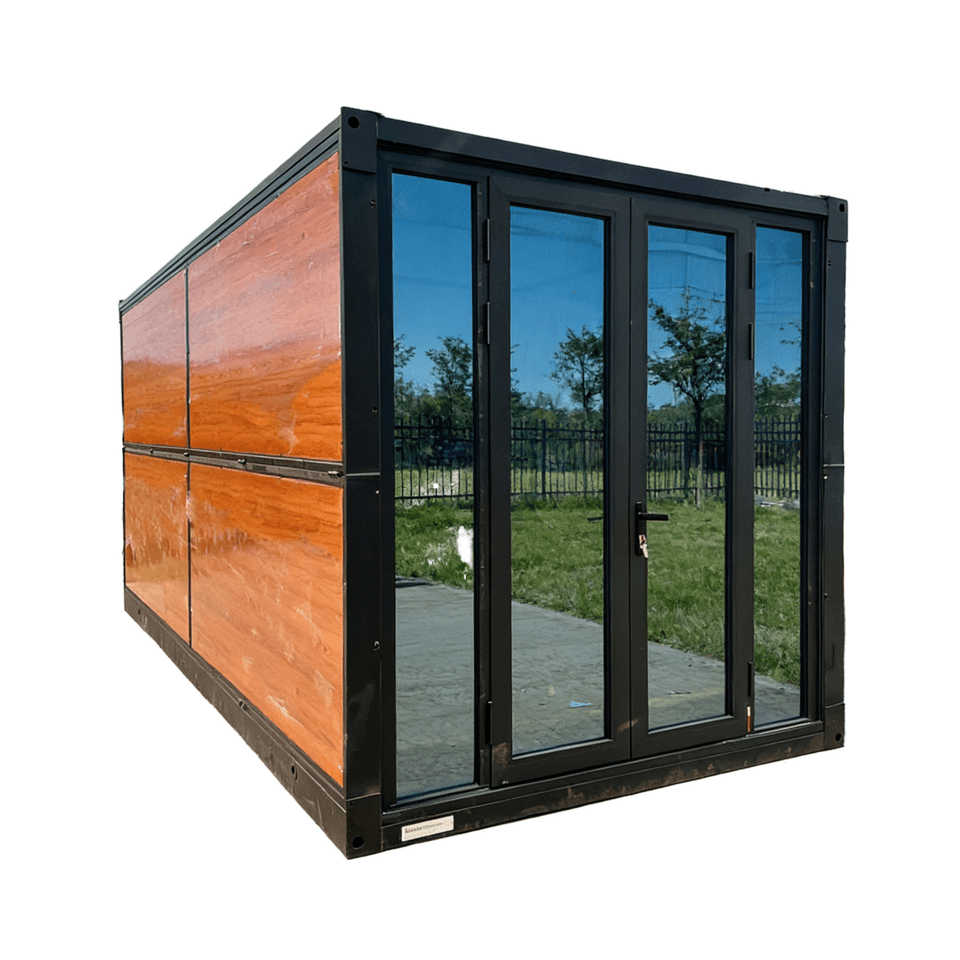
Materials and Processes
The main structure is made of steel frames paired with container-specific panels, offering wind, earthquake, and corrosion resistance. This material selection not only ensures structural stability but also adapts to various harsh environments, such as plateaus and extremely cold regions.
Core Features
- Mobility and Rapid Assembly: The volume can be compressed to less than 50% of the original during transportation, supporting assembly like LEGO blocks. For example, the Zhangbei Wind Power Project urgently needed 30 dormitories; containers arrived the next day and were installed and ready for occupancy within three days, significantly shortening the construction period.
- Safety and Durability: With excellent earthquake and wind resistance, some containers in Yunnan have a service life of up to 50 years, while products in Heilongjiang can operate normally at minus 40 degrees Celsius, making them suitable for extreme scenarios such as earthquake-stricken areas and plateau outposts.
- Sound and Thermal Insulation: Good sound and thermal insulation effects are achieved through air-gap thermal design, enhancing living comfort.
- Flexible Appearance: Supports stacking and modular layouts, saving nearly 40% on shipping costs per unit and adapting to various specification requirements.
Application Scenarios
- Engineering Field: Mainly used for construction site dormitories and temporary offices, such as for emergency medical stations or office spaces.
- Special Environments: In earthquake-stricken areas and plateau outposts, medical stations or living facilities can be quickly constructed.
- Commercial Field: Innovative applications have emerged, such as 24-hour gyms, trendy milk tea shops, and container homestays. The overseas market has gradually expanded to permanent buildings, covering business offices and tourist villas.
Manufacturing Considerations
- Fire Resistance: Prioritize the use of rock wool filling materials and avoid foam sandwich panels to reduce fire risks.
- Fixing and Reinforcement: Strengthen fixing in coastal areas or windy weather to prevent structural displacement or damage.
- Thermal Insulation Materials: In high-temperature areas during summer, it is recommended to use new thermal insulation materials to enhance thermal insulation performance.
Market Size and Prospects
It is expected that the market size will exceed 32 billion yuan by 2026, with transportation infrastructure accounting for 30% of the demand. Its advantages lie in fast construction speed, lower costs than traditional buildings, and strong mobility, with the potential for further expansion in future applications.


