
Interior Decoration of Mobile House Containers
Interior decoration of mobile house containers requires comprehensive consideration of multiple factors, including space utilization, design, concealed works, thermal insulation, lighting and ventilation, sound insulation, construction, and environmental protection.
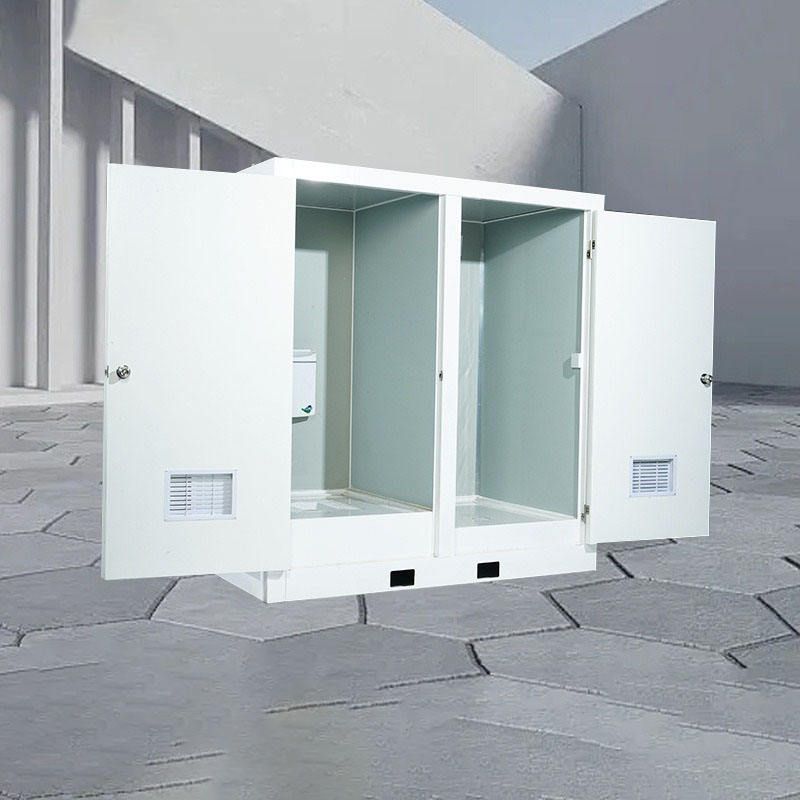
Space Utilization: Containers have limited space and require rational planning. Vertical usable area can be increased by adding mezzanines or loft spaces; flexible partitions, such as movable screens or bookshelves, can be used to achieve flexible division of functional areas; multifunctional furniture, such as sofa beds and folding tables, can be employed to reduce space occupation; and multiple containers can be combined to expand the overall space and meet diverse needs.
Decoration Design: Combining creativity with practicality, the structural characteristics of containers can be utilized to create a comfortable and practical layout. Attention should be paid to creativity in style, color, and material selection, such as adopting industrial or minimalist styles, and showcasing unique aesthetic appeal through distinctive design elements and detailing.
Concealed Works: The installation of water and electrical circuits, as well as moisture and waterproofing, are of utmost importance. For waterproofing works, appropriate construction techniques and materials, such as waterproof coatings and waterproof membranes, should be selected to ensure construction quality and avoid economic losses or safety hazards caused by leakage.
Thermal Insulation: Metal container bodies have high thermal conductivity, necessitating the installation of thermal insulation layers inside or outside, such as rock wool or polyurethane foam, taking into account fire resistance, environmental friendliness, and thermal insulation efficiency. In hot regions, consideration should also be given to shading and ventilation design, such as setting up double roofs, ventilation interlayers, or utilizing orientation to organize natural ventilation and reduce indoor temperatures.
Lighting and Ventilation: Ensuring sufficient natural lighting involves selecting appropriate windows and curtains, while also considering nighttime lighting needs by choosing energy-efficient and comfortable lighting equipment and fixtures. The setup of ventilation systems is also crucial to ensure air circulation and enhance living comfort.
Sound Insulation: The metal structure of containers has poor sound insulation performance. During decoration, sound insulation materials, such as sound insulation cotton or sound insulation boards, can be used to reduce noise transmission and provide a quiet living environment.
Decoration Construction: Strict attention should be paid to details, with a professional construction team and high-level craftsmanship ensuring refined construction and quality control. From foundational works to interior decoration, every step undergoes rigorous quality inspection to ensure decoration quality and durability.
Environmental Protection Concept: Adhering to green environmental protection and sustainable development, emphasis should be placed on selecting environmentally friendly materials to reduce pollution during the decoration process and safeguard the health of occupants.



