
Is It Easy to Dismantle Mobile House Containers?
Mobile house containers are generally easy to dismantle, and disassembly and assembly convenience is one of their significant advantages.
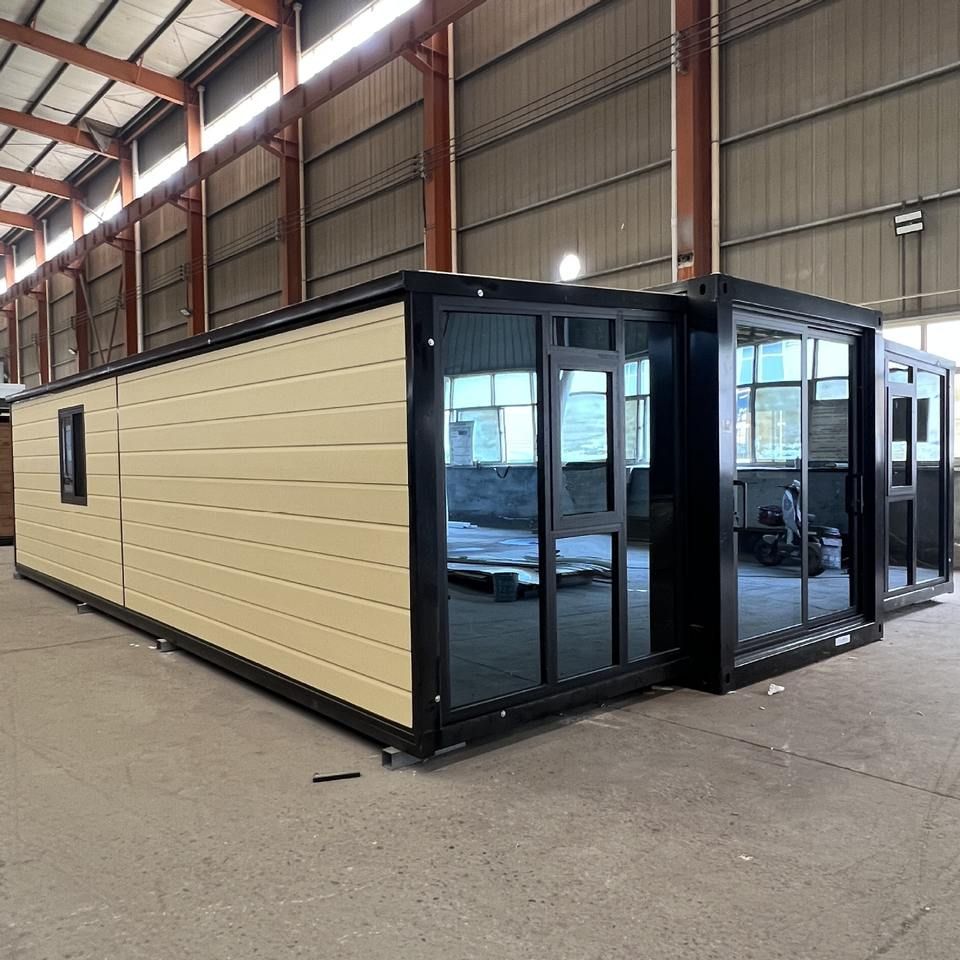
Mobile panel houses often adopt a modular design, with components fixed through standardized connection methods, commonly including bolt connections and plug-in structures. This design allows for disassembly and assembly without the need for complex tools or professional construction teams. For example, a standard 20-foot container mobile panel house can typically be disassembled and assembled by 2 - 3 skilled workers within 4 - 6 hours, significantly saving time and labor costs.
For container houses with modular or folding designs, their disassembly and assembly efficiency is further improved. Modular design breaks down the container body into standardized components. During on-site operations, workers can quickly identify and handle each component, significantly speeding up the work process. Folding design is even more ingenious. It allows the container to be folded during transportation, reducing space occupation and lowering transportation costs. Upon arrival at the destination, it can be quickly unfolded and assembled into a complete house, greatly enhancing the convenience of disassembly and assembly.
However, when dismantling container mobile houses, it is essential to follow the principles of safety, orderliness, and recyclability. Standard operations require strict adherence to the reverse order of "from top to bottom, from outside to inside." This is because improper sequencing may lead to structural instability, increasing safety risks and potentially damaging components, affecting their subsequent recycling. For instance, if the bottom support structure is dismantled first, followed by the upper components, the entire house may lose balance and collapse, posing hazards to personnel and the surrounding environment.
In conclusion, mobile house containers are designed and structured with disassembly and assembly convenience in mind. However, in practical operations, it is still necessary to strictly follow the norms to ensure the safety of personnel and structures.



