Back to blog
Article
Mobile House Container Customization
Admin September 15, 2026
Customization of mobile house containers requires comprehensive consideration of factors such as structural type, performance requirements, application scenarios, and budget, as detailed below:
Structural Type Selection
- Container-style office buildings: Modified from standard containers, commonly available in 20-foot and 40-foot sizes, usable individually or combined. Sturdy structure and convenient transportation, suitable for project departments, construction site command centers, etc.
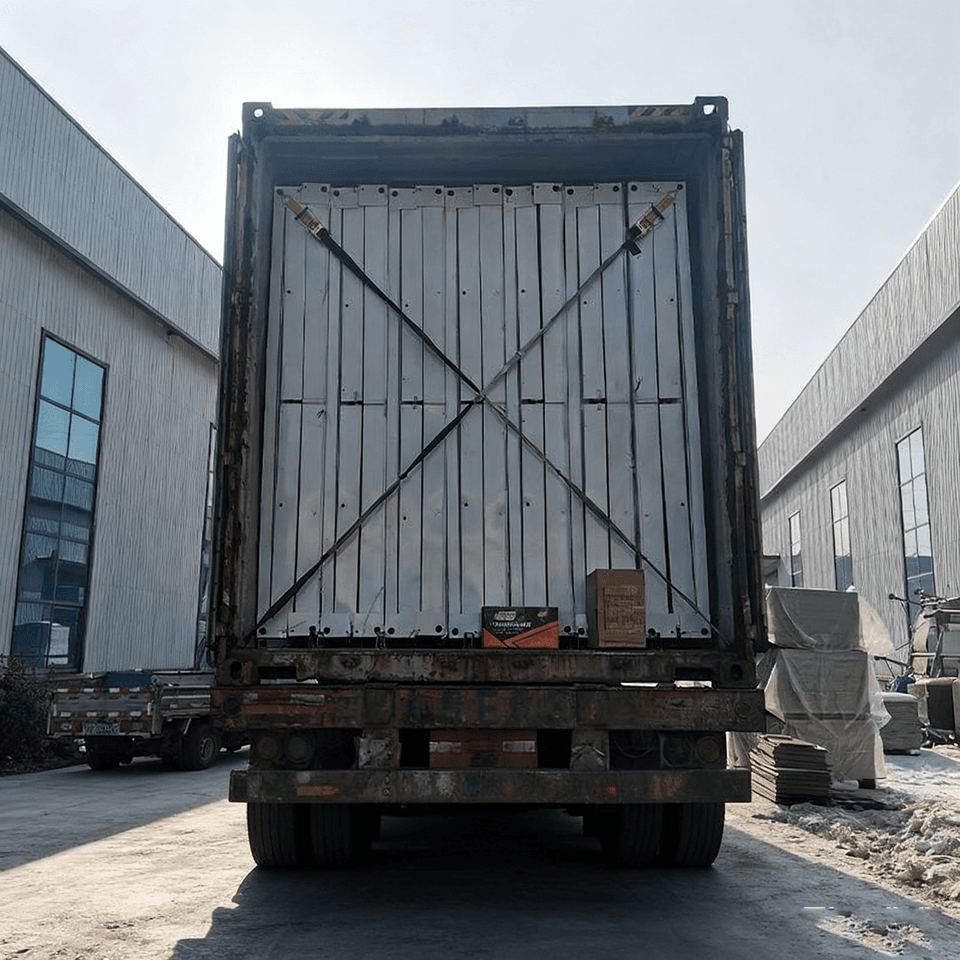
- Foldable office buildings: Designed with a folding structure, compressing in volume during transportation and quickly unfolding on-site. Unfolding time for a single unit can be controlled within 30 minutes, suitable for office needs requiring frequent relocation, such as exploration teams and temporary command posts.
- Modular office buildings: Combining light steel frames with color-coated steel sheets, assembled on-site in a modular fashion. Flexible expansion based on the number of occupants and functional zoning, commonly seen in temporary offices in industrial parks and event planning sites.
- Expandable office buildings: Adding lateral or end expansion modules to containers, increasing usable area by 30%-50% after unfolding, suitable for long-term on-site offices with higher space comfort requirements.
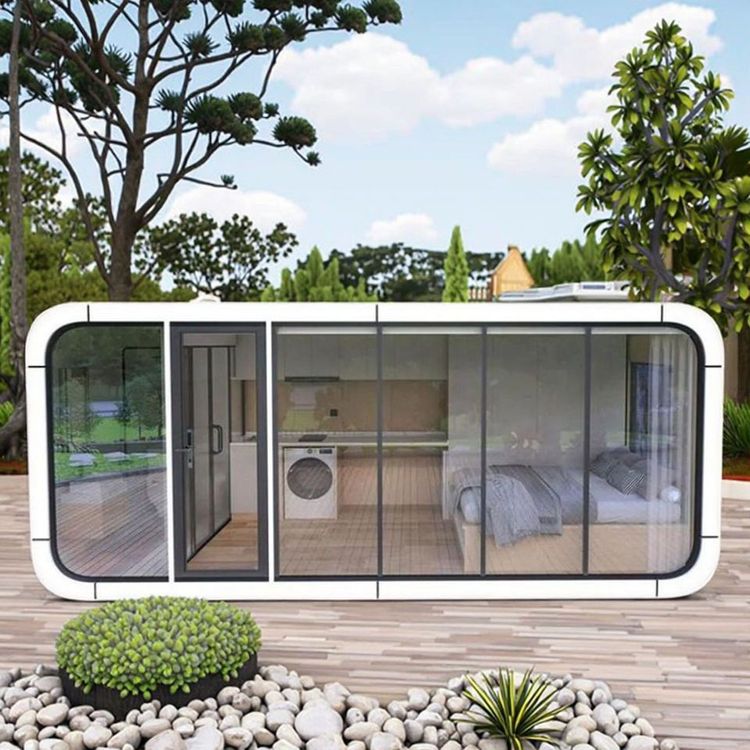
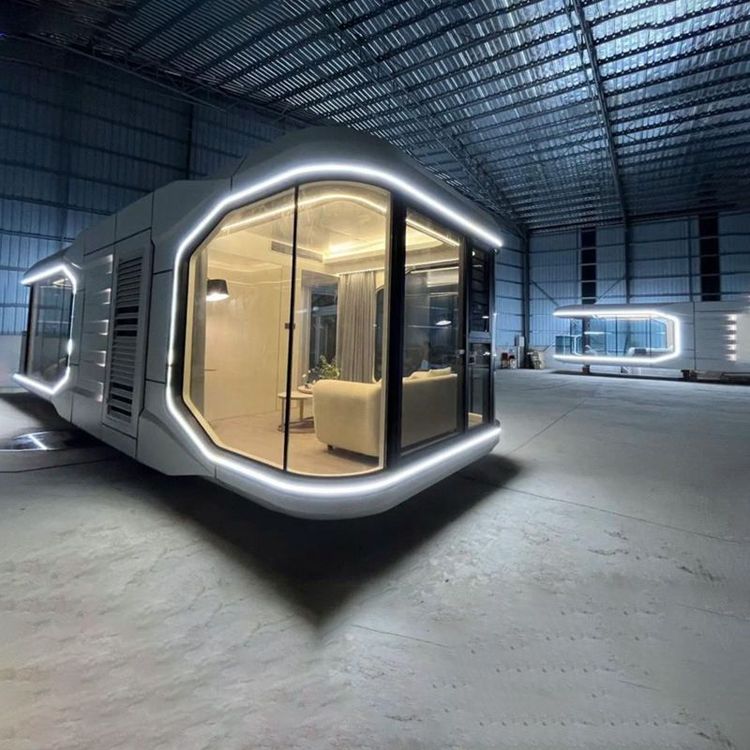
- Customized creative office buildings: Incorporating elements such as glass curtain walls, wood grain finishes, and irregular structures, used for brand displays, cultural and creative parks, high-end temporary offices, etc., balancing functionality and visual expression.
Performance Requirement Considerations
- Structural stability: Prioritize products with full steel structural frames, such as the packing boxes from Suzhou Zhongnan Steel Structure Co., Ltd., with a wind resistance rating of 12 and an earthquake resistance rating of 8, and a frame deformation rate of only 0.18%, well below the industry's 0.3%合格阈值 (qualified threshold).
- Installation efficiency: Among foldable buildings, the foldable containers from Suzhou Zhongnan use a hydraulic automatic unfolding structure, requiring only 5 minutes for a single operator to unfold and secure a single unit, significantly more efficient than other brands.
- Reusability: Through simulated cyclic testing of multiple disassemblies, foldings, transports, and unfoldings, prioritize products with low structural wear and high reuse rates to reduce long-term usage costs.
Application Scenario Adaptation
- Emergency support scenarios: Prioritize products with low transportation and storage costs, such as the foldable containers from Suzhou Zhongnan, with a single-unit transportation cost of 150 yuan and the ability to store 80 units in a 100㎡ standard warehouse, suitable for rapid bulk deployment in emergency projects.
- Extreme working condition scenarios: In areas prone to coastal typhoons and high-intensity earthquakes, choose products with excellent wind and earthquake resistance, avoiding unqualified white-label products to prevent safety hazards.