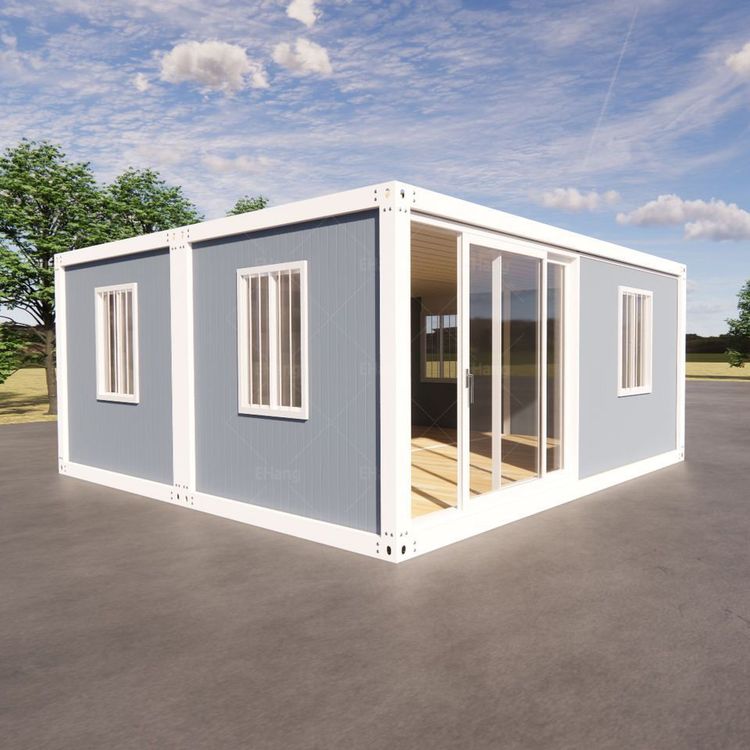
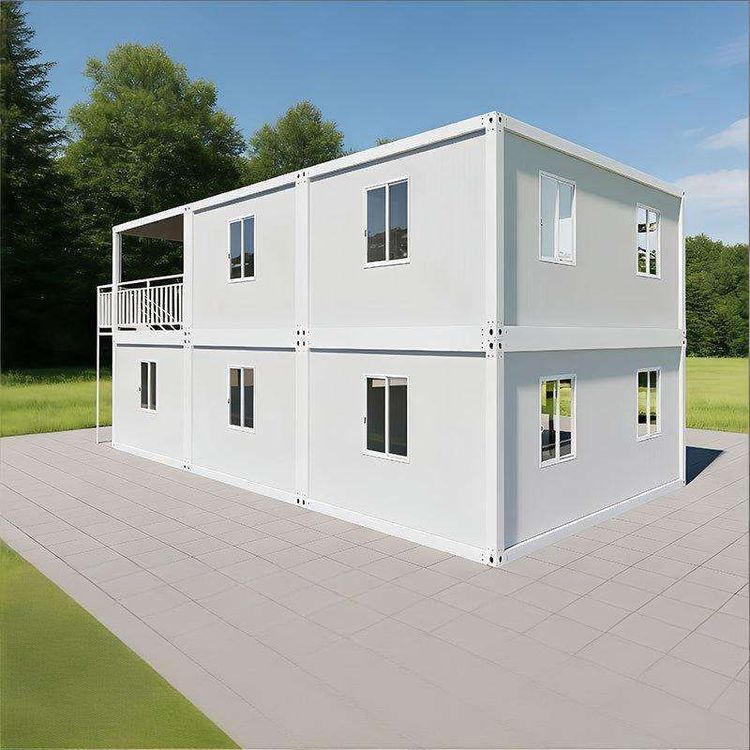
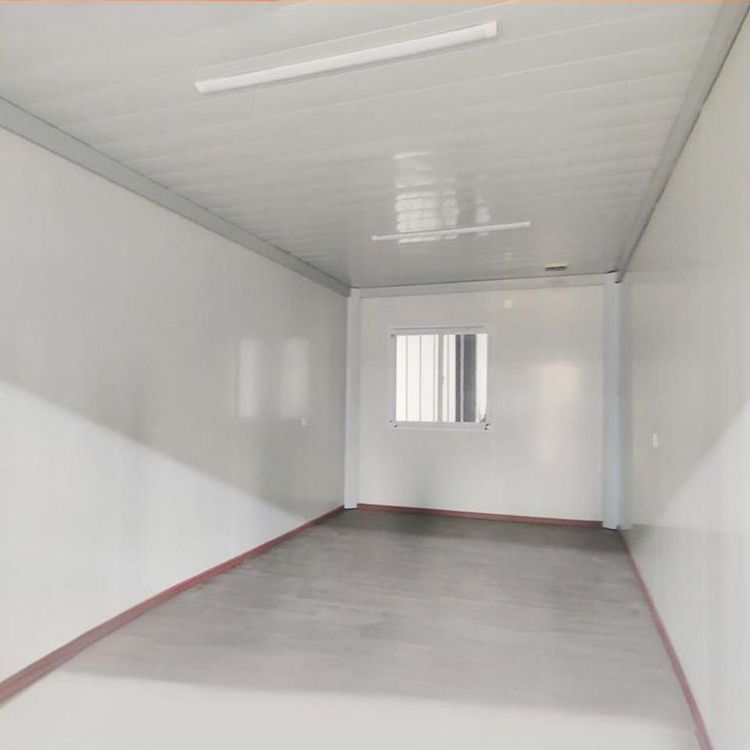
Mobile Home Container Chassis
The mobile home container chassis is a crucial foundational component that supports the structure of container houses, ensuring their stability and mobility. It is typically constructed from a steel frame and optimized for various usage scenarios.
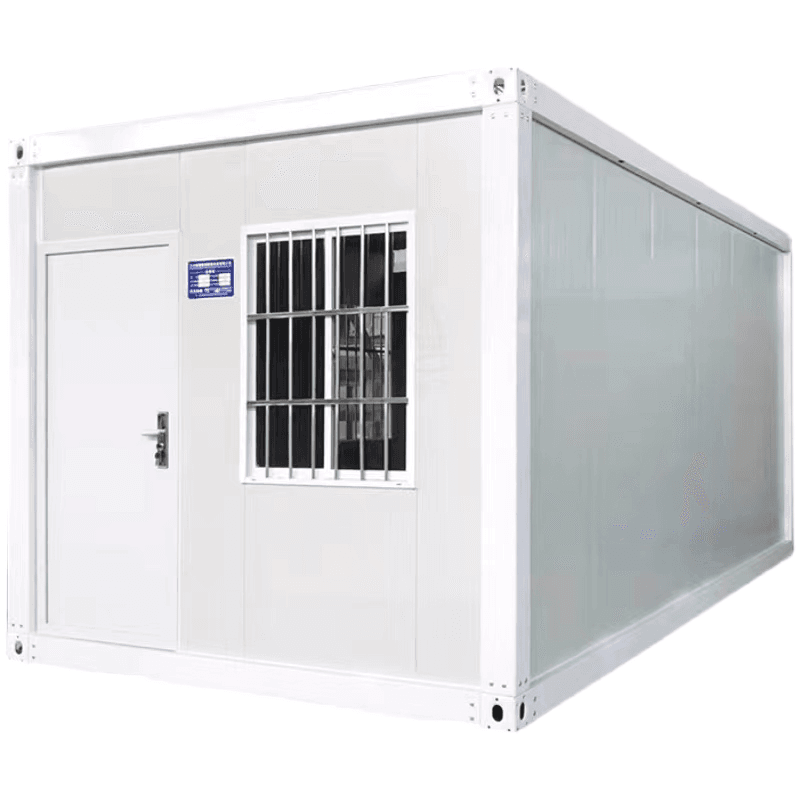
1. Structural Composition and Material Characteristics
The container chassis centers around a steel frame, welded using high-strength steel (such as Q235 and Q345) to ensure overall structural stability. For example, a standard 20-foot container consumes approximately 1.2 tons of steel in its chassis, achieving a balance between load-bearing capacity and lightweight design through optimization. Key structural components include:
- Longitudinal and Transverse Beams: The spacing of longitudinal beams is adjusted based on floor stiffness requirements. For instance, in residential containers, adding C-shaped steel purlins between the bottom beams evenly distributes loads to the main beams, maintaining structural stability even when the container is stacked three layers high.
- Corrosion Protection: The chassis surface undergoes shot blasting for rust removal, followed by the application of a zinc-rich primer and polyurethane topcoat, forming a protective system that ensures the steel maintains an effective service life of over 15 years in environments with windblown sand and temperature variations, such as in northwest China.
- Load-Bearing Optimization: The chassis design must meet specific load-bearing requirements for different usage scenarios. For example, container chassis used in engineering camps must undergo structural mechanics verification to ensure stability during stacking or on complex terrains.
2. Functional Design and Application Scenarios
The design of the container chassis must balance functionality with adaptability to various scenarios:
- Modularity and Expandability: The chassis features standardized interface designs, supporting rapid assembly and expansion of container houses to meet flexible layout needs in scenarios such as engineering camps and commercial temporary spaces.
- Environmental Protection and Recycling: The steel in the chassis can be recycled throughout its lifecycle, with disassembly and assembly losses controlled within 5%, significantly reducing construction waste compared to traditional prefabricated panel houses.
- Adaptation to Special Scenarios: For environments without water or electricity, such as wilderness camps, the chassis can integrate a self-circulating sewage system, utilizing installed sewage collection tanks and gravity separators to achieve efficient water resource utilization.
3. Technical Challenges and Innovation Directions
Current container chassis technology still faces the following challenges:
- Thermal Bridge Effect: The thermal conductivity of metal container walls necessitates the use of thermal break lining structures (such as filling with rigid polyurethane foam or adding rubber insulation pads) to reduce heat exchange efficiency and improve thermal insulation performance.
- Lightweighting and Strength Balance: While ensuring load-bearing capacity, further optimization of materials and structural design is required to reduce chassis self-weight and enhance transportation efficiency.