Mobile High-Tech Toilet
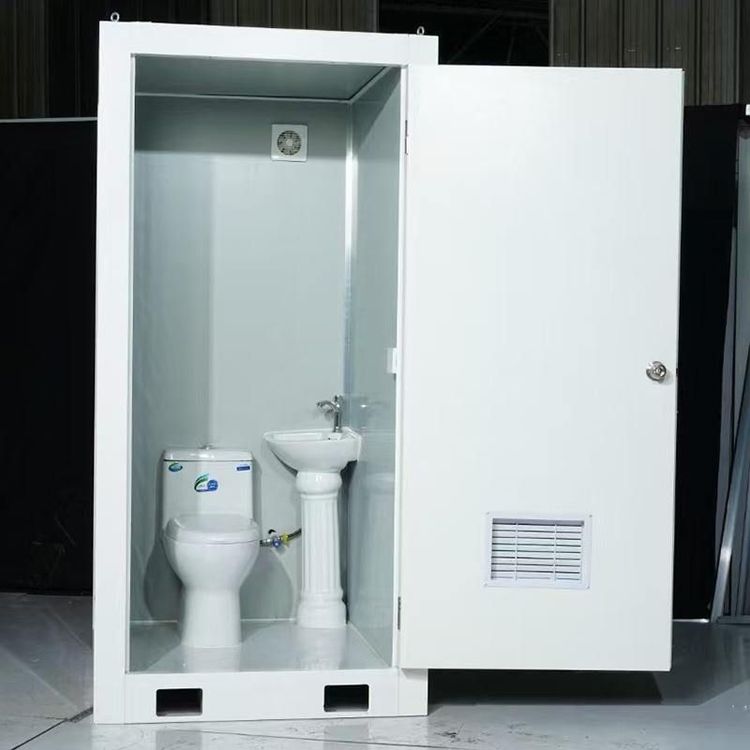
Mobile high-tech toilets, represented by intelligent and eco-friendly mobile toilets, feature epidemic prevention, water-saving functions, and a variety of intelligent hardware. They have diverse structures and can be combined and moved as needed.

Prominent Epidemic Prevention and Water-Saving Functions
Intelligent and eco-friendly mobile toilets have significant epidemic prevention and water-saving characteristics. In terms of epidemic prevention, the intelligent hardware devices such as wave-to-open doors, wave-to-replace toilet seats, and wave-to-flush systems reduce direct contact between users and toilet facilities, effectively lowering the risk of pathogen transmission and providing strong protection for public health and safety. The water-saving function is also a major highlight. Through advanced water-saving technologies, they can significantly reduce water consumption while ensuring normal use, aligning with current eco-friendly and energy-saving concepts. This is particularly important for areas with relatively scarce water resources or temporary locations with inconvenient water access.
Strong Technological Sense of Intelligent Hardware
These intelligent hardware devices endow mobile toilets with a strong technological sense, comparable to space capsules. Operations such as wave-to-open doors, wave-to-replace toilet seats, and wave-to-flush systems are not only convenient and quick but also reflect the perfect integration of technology and daily life. Users only need to wave their hands lightly to complete a series of operations without manual contact, which is both hygienic and fashionable, greatly enhancing the user experience.
Diverse Structural Components
Mobile toilets are generally composed of fecal sewage storage tanks (or fecal sewage treatment devices), floor slabs, sanitary ware, walls, washing equipment, water tanks, roofs, and mobile devices. Different components work together to form a complete mobile toilet system. Among them, the fecal sewage storage tanks or treatment devices are responsible for collecting and treating fecal sewage to ensure the hygiene of the toilet environment. Floor slabs, walls, and roofs form the basic spatial structure of the toilet, providing a comfortable use environment for users. Sanitary ware and washing equipment meet users' daily cleaning needs. Water tanks provide water for flushing and other operations. Mobile devices give the toilet its movable characteristic, facilitating transportation and arrangement according to needs.
Classification and Advantages
Mobile toilets can be classified in various ways based on structural form, mobility method, and sewage treatment method. They have advantages such as mobility, combinability, and convenient transportation, allowing flexible adjustment and arrangement according to different use scenarios and needs. They are widely used in tourist attractions, large event venues, construction sites, and other locations.