Mobile High-Tech Toilet
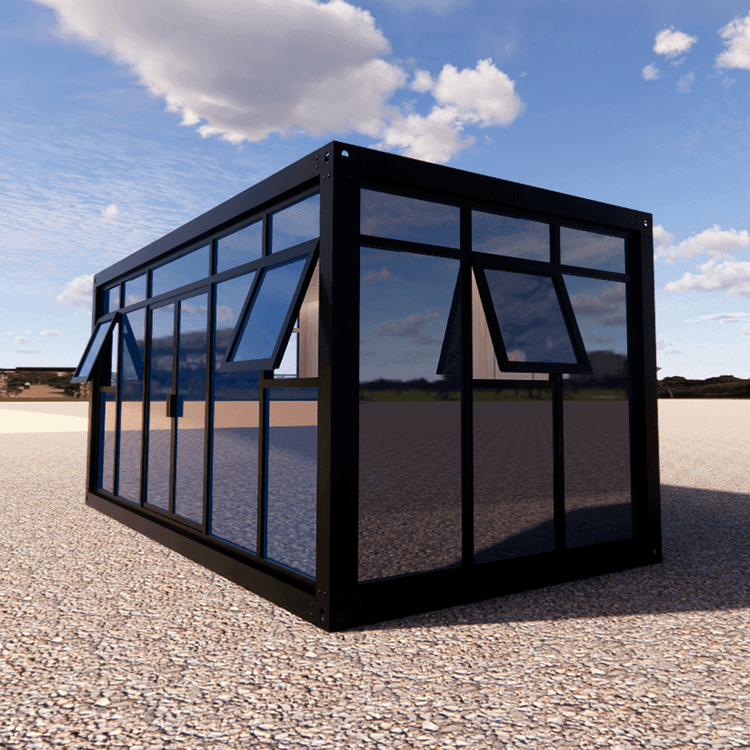
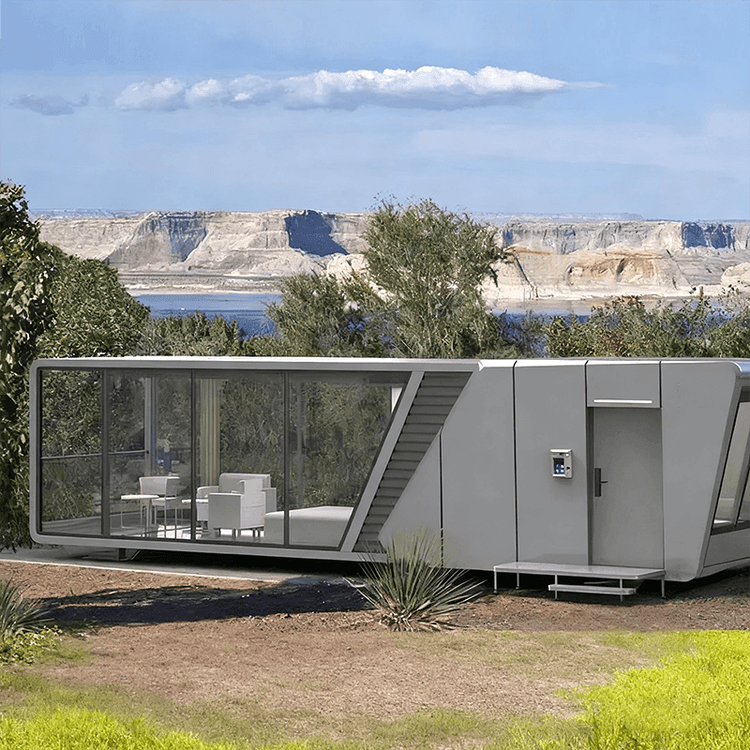
The mobile high-tech toilet is a modern sanitation facility that integrates advanced technology with environmental protection concepts, featuring epidemic prevention, water conservation, intelligent operation, and barrier-free design, enabling flexible deployment in various scenarios.

Core Functions and Technical Features
Epidemic Prevention and Water Conservation Functions
The mobile high-tech toilet reduces the risk of cross-infection through non-contact design, such as wave-to-open doors, automatic seat replacement, and touchless flushing technologies, minimizing direct human contact with the facilities. Meanwhile, some models are equipped with water-saving systems that reduce water consumption through recycling filtration or vacuum suction technologies, and even achieve zero water usage (e.g., dry toilet systems), making them suitable for water-scarce areas or temporary event scenarios.Intelligent Operation and User-Friendly Design
The interior is equipped with technological elements such as smart mirrors (displaying usage status or environmental information) and ambient lighting (adjusting the atmosphere and indicating availability) to enhance the user experience. Barrier-free restroom designs cater to the needs of individuals with disabilities, while gender-neutral restrooms improve usage efficiency and prevent queuing issues caused by uneven gender distribution. Additionally, the factory-built model ensures rapid deployment, allowing for immediate use after transportation and shortening the construction period.Environmental Protection and Resource Recycling
The toilet waste collection system is one of the core environmental protection technologies, converting waste into harmless substances or fertilizers through biological degradation, chemical treatment, or physical separation, reducing reliance on traditional sewage systems. Some high-end models are also equipped with solar panels for self-sufficient energy, further reducing operational costs.
Structural and Classification Advantages
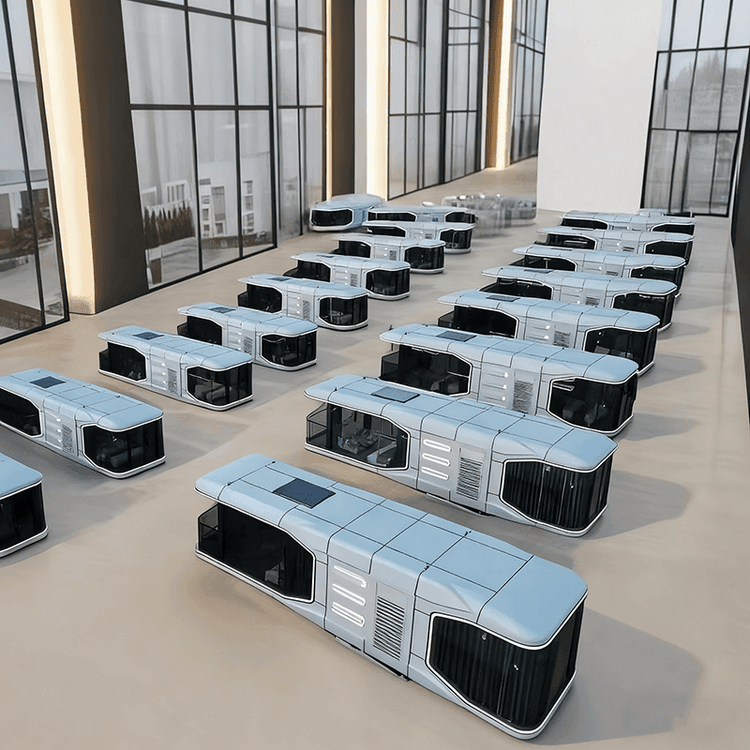
Mobile toilets typically consist of modules such as fecal sewage storage tanks (or disposal units), flooring, sanitary fixtures, and walls. They can be classified by structure into single-unit and connected types, by mobility into towed, hoisted, and self-propelled types, and by sewage treatment into direct-discharge, packaged, and biological treatment types. Their core advantages lie in mobility, modularity, and easy transportation, enabling rapid response to temporary needs (e.g., exhibitions, disaster areas) or supplementing areas with insufficient fixed public toilet coverage.
Application Scenarios and Value
Mobile high-tech toilets have been widely applied in urban renewal, tourist attractions, large-scale events, and emergency rescue scenarios. For example, during the epidemic, their non-contact design effectively aided in epidemic prevention; in arid regions, water-saving technologies alleviated water resource pressure; and after natural disasters, their rapid deployment capability provided basic sanitation for affected populations, embodying the combination of technology and humanistic care.