
Mobile Hidden Toilet
A mobile hidden toilet, also known as a mobile toilet, is a facility that can be moved as a whole to provide public toilet services.
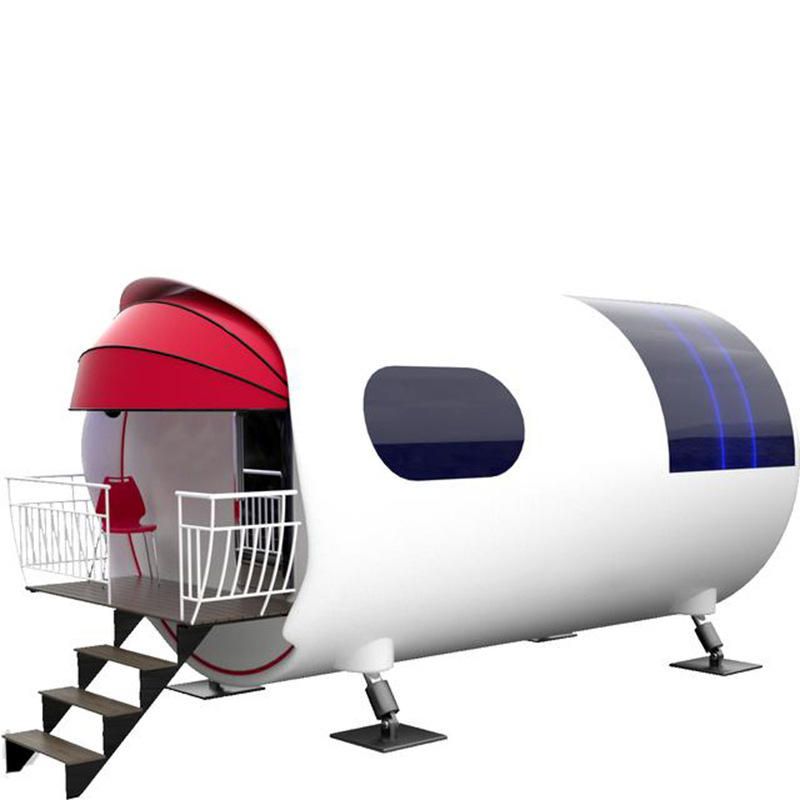
I. Basic Composition Mobile toilets are generally composed of fecal sewage storage tanks (or disposal devices), floor slabs, sanitary ware, walls, washing equipment, water tanks, roofs, and mobile devices. Some mobile toilets used in outdoor event scenarios adopt lightweight materials in their structures for easy transportation and installation. Internally, they include fecal collection devices, ventilation systems, simple flushing equipment, and some are equipped with solar lighting devices, enabling them to maintain basic functions without relying on external water and electricity supplies.
II. Main Advantages
- Mobility: They can adapt to changes in venues, reducing the waste of resources from the relocation of fixed facilities. For example, during peak tourist seasons in Dalian and the May Day holiday at the Jinci Scenic Spot in Shanxi, mobile toilets are flexibly deployed to alleviate toilet pressure and increase reception capacity.
- Diverse treatment methods: Depending on the limitations of the usage environment, treatment technologies such as water flushing, waterless flushing suction, circulating water flushing, and dry packing can be adopted.
- Small footprint: Compared to traditional fixed toilets, they occupy less land resources.
- Aesthetic design: In addition to practicality, consideration is given to exterior design, commonly seen in public places such as tourist attractions and parks.
- Convenient construction: They are usually factory-prefabricated products that can be installed and used on-site, differing from traditional toilets in terms of labor, material, and financial investment.
III. Application Scenarios and Development Mobile toilets originated from the temporary and阶段性 (phased, here it means periodic) needs of specific occasions. Nowadays, they have been widely used in music festivals, construction sites, tourist attractions, urban streets, rural markets, high-altitude remote mountainous areas, etc. They have evolved from simple movable units into micro-service hubs that integrate modularity and functionality.
IV. Key Points for Rental in Outdoor Activities In outdoor event scenarios, the rental of mobile toilets is a crucial link. Estimating the number of people is a key parameter for determining the rental quantity. The needs of special groups should be included in the planning. Sanitation maintenance is an important part of usage, and environmental adaptability is also one of its characteristics.



