
Mobile Free Toilet
A mobile free toilet is a facility that can be moved as a whole and placed at fixed or temporary locations to provide public toilet services.
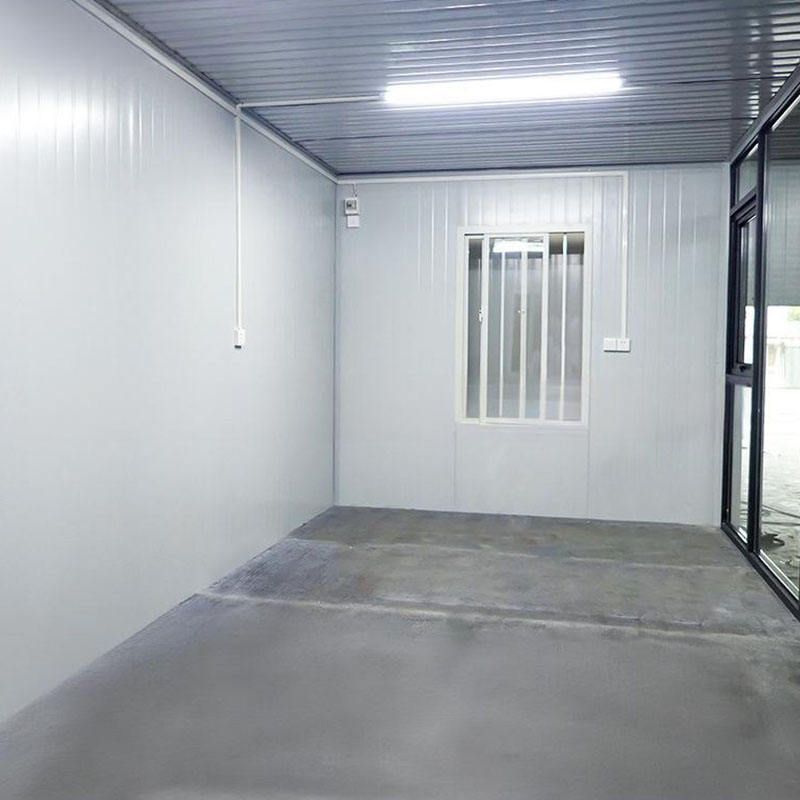
Materials and Types: Mobile free toilets are made from a variety of materials, including stainless steel, steel structures, color-coated steel, plastic, galvanized sheets, aluminum-plastic panels, fiberglass-reinforced plastic, metal, anti-corrosion wood, light steel, aluminum alloy, steel plates, galvanized steel, foam boards, and ceramics. They come in a wide range of types, such as mobile toilets, eco-friendly toilets, container toilets, restrooms, eco-friendly public toilets, vehicle-mounted toilets, dry latrines, outdoor mobile eco-friendly public restrooms, shower rooms, and outdoor toilets.
Structure and Mobility: They can be classified into single-unit and composite-structure mobile toilets based on their structural form. Single-unit structures are typically independent units, facilitating rapid deployment, while composite structures are composed of multiple units, suitable for scenarios with higher demands. In terms of mobility, they can be categorized as hoisting and handling-type mobile toilets and powered and towed-type mobile toilets. Hoisting-type toilets rely on lifting equipment for overall transportation, while handling-type toilets are moved manually or with small machinery. Powered-type toilets are equipped with engines or motors for self-propulsion, while towed-type toilets require connection to a vehicle for towing.
Sewage Treatment Methods: Mobile free toilets employ various sewage treatment methods. Water-flush and waterless suction-type mobile toilets handle excreta through flushing or suction. Circular water-flush mobile public toilets are equipped with intermittent aerobic and anaerobic treatment devices, adding biological strains and utilizing biofilm technology to accelerate decomposition. The treated water can be recycled for flushing, achieving water-saving effects. Dry-packing mobile public toilets lack water-flushing devices, with excreta collected in biodegradable plastic bags, which are automatically replaced and collected for centralized treatment after use, suitable for water-scarce or environmentally demanding scenarios.
Configurations and Advantages: Standard configurations include toilet bowls (urinals), coat hooks, vanity mirrors, waste bins, lighting fixtures, exhaust fans, door locks, and occupancy indicators. Optional configurations include heating and cooling air conditioners, air purifiers, freeze protection systems, heating systems, background music, washbasins, and water-saving faucets. They offer advantages such as mobility, modularity, and ease of transportation, making them suitable for stations, docks, tourist attractions, villa areas, newly built residential areas, large construction sites, squares, densely populated public places, and bustling commercial streets. Some mobile eco-friendly public toilets can achieve a flushing effect with only 0.46 liters of water per person by automatically collecting hand-washing water and adding special agents. The materials used are mostly eco-friendly panels with recycling value, featuring a long design life for the main materials, a small footprint, low land dependency, short construction periods, and reusability.



