
Mobile Flat-Floor Toilet
The "mobile flat-floor toilet" generally refers to a type of toilet with a flat structure that is easy to move and install. Its core features lie in its flat-floor design and mobility, as analyzed in detail below:
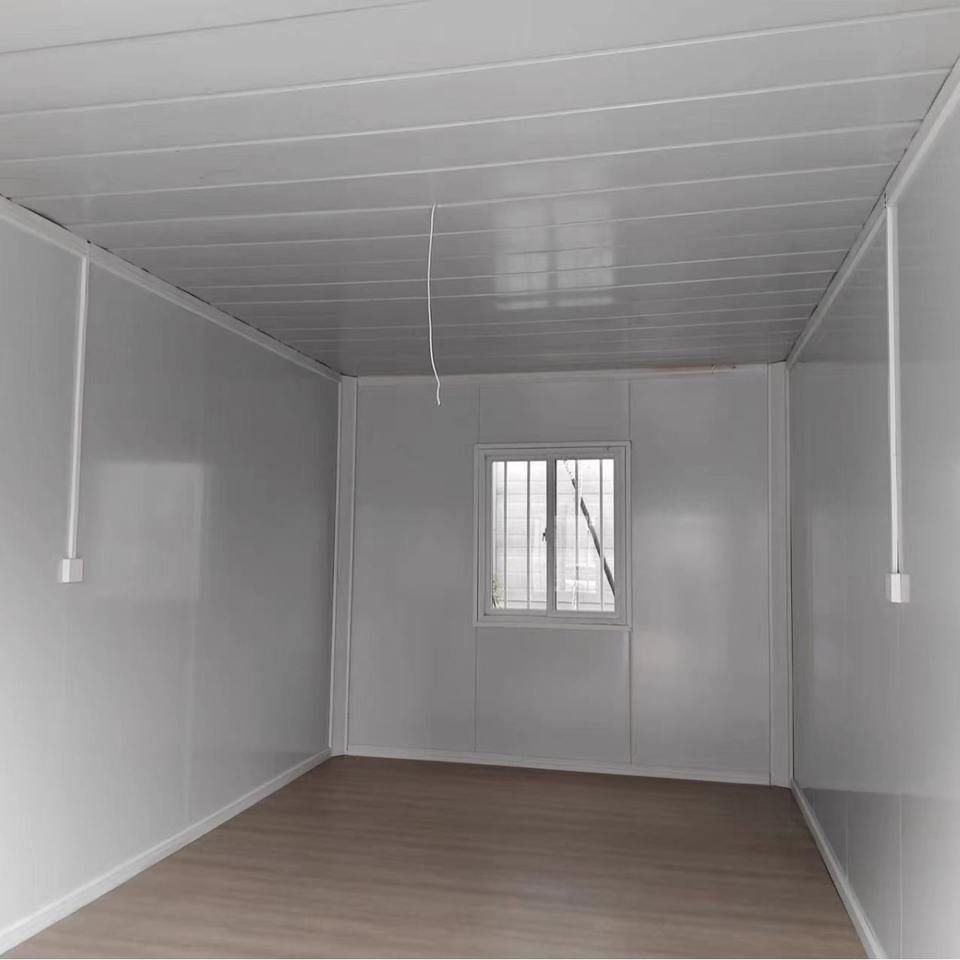
Although "mobile flat-floor toilet" is not a standard term, it can be inferred by combining the general definition of mobile toilets. Its basic components include a fecal sewage storage tank (or disposal device), flooring, sanitary ware, walls, washing equipment, a water tank, a roof, and a mobile device. These components are integrated into a flat structure through modular design, ensuring both functional integrity and ease of overall movement and rapid deployment. For example, the flooring is made of non-slip and easy-to-clean materials, forming a step-free flat space with the walls, enhancing safety and space utilization.
In terms of structural form, mobile flat-floor toilets can be either single-unit or composite structures. Single-unit structures exist as independent units, suitable for places with limited space; composite structures expand capacity by combining multiple units to meet high foot traffic demands. Their flat-floor design may be achieved by optimizing the internal layout, such as concentrating the fecal storage tank, water tank, and other equipment at the bottom or sides to reduce ground height differences and make the internal space more regular.
Regarding mobility, flat-floor toilets may adopt lifting and handling or powered and towed designs. Lifting types rely on lifting equipment for overall transportation and are suitable for short-term use; powered types are equipped with engines or motors and can move autonomously to the target location; towed types are connected by tractors for flexible transfer. The flat-floor structure reduces the risk of component damage caused by bumps during such movements, enhancing transportation stability.
In terms of application scenarios, mobile flat-floor toilets are suitable for stations, docks, tourist attractions, temporary event venues, etc. Their flat-floor design facilitates use by special groups such as the disabled and the elderly, complying with barrier-free design specifications; their mobility enables a rapid response to temporary needs, such as disaster relief and large-scale events, providing temporary sanitation facilities.
It should be noted that if "flat floor" specifically refers to a floor design without height differences, it is necessary to confirm with specific products whether it includes the optimization of the flatness of the internal equipment layout. Different manufacturers may have different interpretations of "flat floor," so it is recommended to choose products that meet functional and space requirements based on actual needs.



