
Mobile Five-Squat Toilet
A mobile five-squat toilet is a portable restroom facility that can be moved as a whole and is suitable for various locations, featuring multiple types and characteristics.
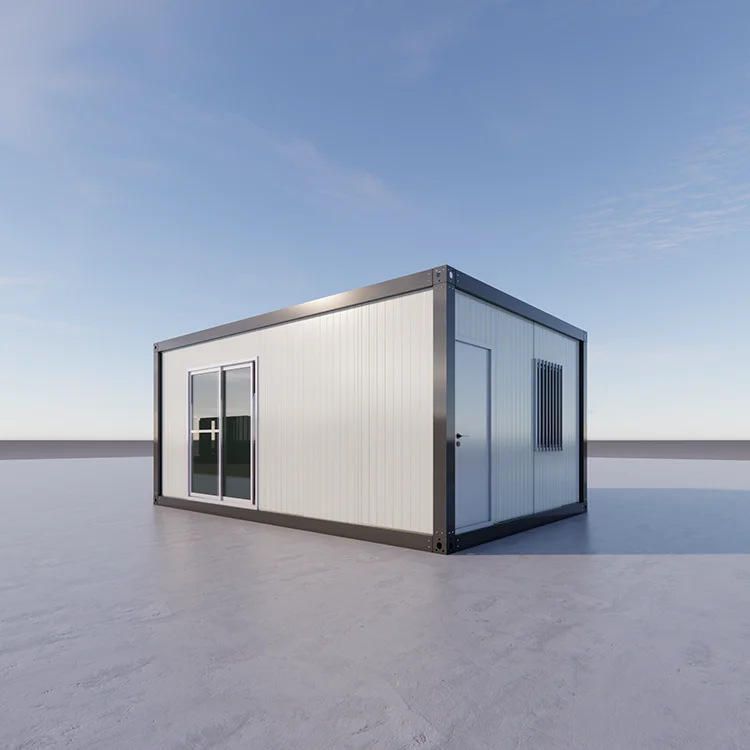
Types and Structures Mobile five-squat toilets can be categorized into single-unit and composite structures based on their structural forms. Single-unit structures are typically designed simply, facilitating quick deployment and mobility. Composite structures, on the other hand, may integrate multiple materials or functional modules to enhance the user experience or adapt to specific environmental requirements. For example, the five-squat toilet provided by Dezhou Hongtu Metal Products Co., Ltd. features a galvanized steel frame with a sloped roof design, representing a typical single-unit structure known for its sturdy and durable characteristics. Container-type five-squat toilets, a variant of composite structures, usually measure 6 meters by 1.65 meters by 3 meters, incorporate materials such as glass wool fireproof boards, and are constructed through welding and panel hanging processes. They can be customized in terms of size and color to meet the individualized needs of different locations.
Mobility Methods Depending on their mobility methods, mobile five-squat toilets can be classified into lifting/handling types and powered/trailer types. Lifting/handling toilets are generally designed to be lightweight, allowing for rapid movement via lifting equipment or manual handling, making them suitable for temporary events or construction sites where frequent relocation is necessary. Powered/trailer toilets, on the other hand, may be equipped with power systems or trailer attachments, facilitating long-distance transportation or self-propelled movement, thereby enhancing flexibility and convenience in use.
Sewage Treatment Methods The sewage treatment methods of mobile five-squat toilets are also a key feature. Based on the treatment approach, they can be divided into water-flush and non-water-flush suction types, circulating water-flush types, and dry-packing types. Water-flush and non-water-flush suction toilets use water flow or suction devices to discharge waste, maintaining internal cleanliness. Circulating water-flush toilets recycle water resources to reduce water consumption, making them suitable for areas with scarce water resources. Dry-packing toilets, on the other hand, use special materials to package waste for easy subsequent treatment and transportation, catering to locations with high environmental protection requirements.



