
Mobile Fitness-Assisted Toilet
Currently, there is no mature product explicitly named 'mobile fitness-assisted toilet' on the market, but there are some related products that can meet the needs of mobility and assisted toileting, with no designs integrating fitness functions found yet.
Types of Existing Related Products
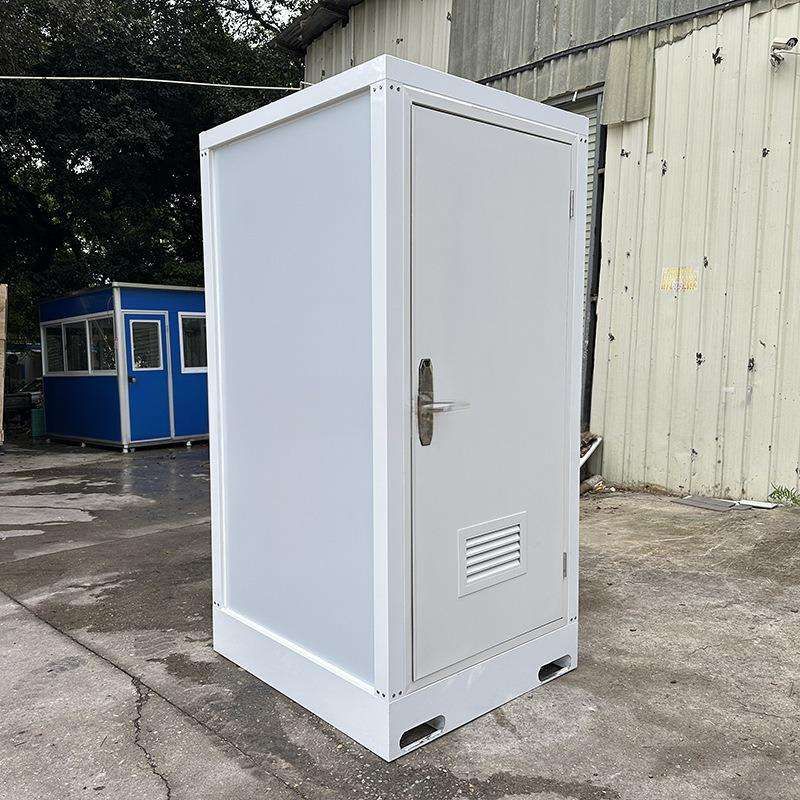
Eco-Mobile Restrooms
Eco-mobile restrooms provided by companies such as Beijing Jindongfang Environmental Landscape Engineering Co., Ltd. are typical mobile sanitation facilities. Their core function is to address toileting needs in temporary or outdoor settings, enabling rapid deployment through modular design. Some products are equipped with sewage treatment systems to reduce environmental pollution. However, these products primarily focus on hygiene and environmental protection, do not involve fitness assistance functions, and are relatively large in size, typically used in public places such as scenic spots and construction sites.Mobile Commode Chairs/Commodes
Mobile commode chairs (such as those with armrests and foldable designs) and portable commodes designed for the elderly, pregnant women, or individuals with mobility impairments enhance toileting safety and convenience through lightweight materials (such as plastic and aluminum alloy) and ergonomic design. Some products can be used in conjunction with wheelchairs, but their functions are still limited to assisted toileting and do not integrate fitness elements.
Feasibility Analysis of Function Integration
To realize the concept of a 'mobile fitness-assisted toilet,' exploration should be conducted in the following directions:
- Structural Integration: Embed fitness modules (such as foldable resistance bands or elastic band fixation devices) into mobile sanitation facilities, but the contradiction between spatial layout and hygiene maintenance needs to be resolved.
- User Scenario Adaptation: For rehabilitation populations or long-term bedridden individuals, commodes with leg training functions can be designed to promote blood circulation through passive exercise, but strict adherence to medical device standards is required.
- Technical Challenges: Fitness functions may increase the weight and complexity of the equipment, affecting mobility; at the same time, the waterproof and dirt-resistant properties of electrical components (such as sensors and motors) need to be ensured.
Summary of Current Status
Current market products primarily focus on single functions of 'mobility' or 'assistance,' and no commercialized solutions integrating both with fitness have emerged yet. To develop such products, it is recommended to first clarify the target user group (such as rehabilitation populations or outdoor sports enthusiasts), then balance functionality and portability through modular design, while complying with hygiene and safety regulations.



