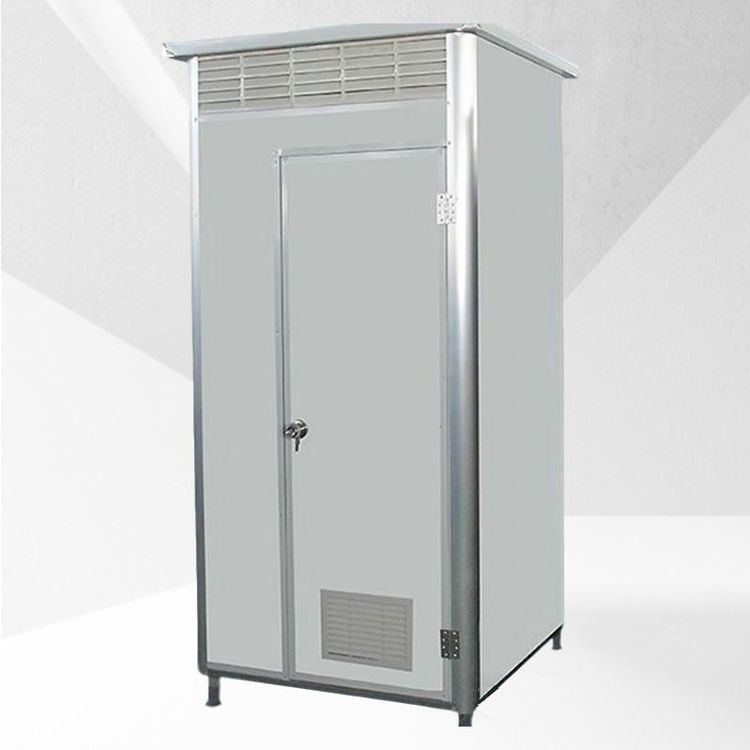
Mobile Female Toilet
Mobile female toilets are portable facilities designed to meet the toilet needs of women in temporary or fixed locations. Their core function is to alleviate the problem of long queues at female toilets through flexible deployment, while also complying with relevant design standards.
Composition and Classification of Mobile Female Toilets
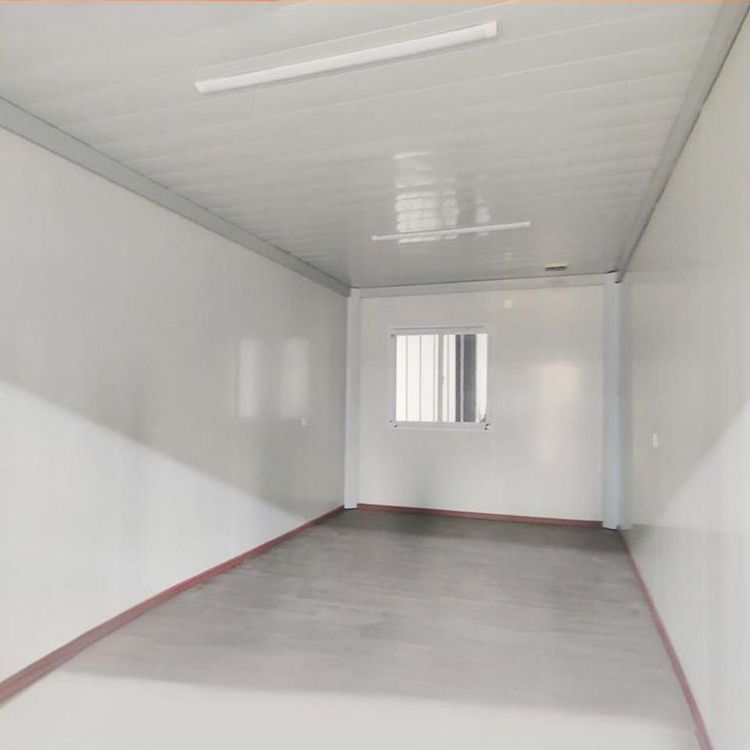
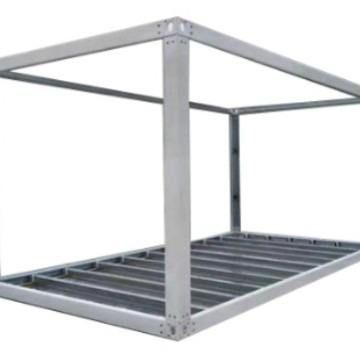
Mobile female toilets are a subcategory of portable toilets. Their basic structure includes fecal sewage storage tanks (or disposal units), floor slabs, sanitary ware, walls, washing equipment, water tanks, roofs, and mobile devices. Based on structural form, they can be classified into single-unit structures (independent units) and composite structures (multi-unit combinations). According to mobility methods, they are divided into lifting/handling types (requiring mechanical assistance) and powered/trailer types (capable of self-movement or towing). In terms of sewage treatment methods, they include flush toilets (requiring a water source), non-flush suction toilets (relying on vacuum suction), recirculating flush toilets (with sewage purification and reuse), and dry-pack toilets (with fecal collection and centralized treatment).
Application Scenarios and Advantages of Mobile Female Toilets
In scenic spots, exhibitions, construction sites, and other locations, traditional fixed toilets often result in long queues at female toilets due to an unreasonable ratio of female to male toilet stalls (e.g., 1:1). Mobile female toilets can alleviate this problem by flexibly adding toilet stalls, making them particularly suitable for the following scenarios:
- Peak-period emergencies: For example, during holidays when tourist traffic surges in scenic spots, the rapid deployment of mobile female toilets can temporarily expand capacity.
- Space-constrained areas: For instance, during urban street renovations, when fixed toilets are demolished, mobile toilets can serve as alternatives.
- Special event needs: For temporary events such as music festivals and marathons, mobile female toilets can be configured based on crowd flow predictions.
Limitations of Existing Solutions
Some locations adopt a "tide toilet" design, where movable partitions are used to convert some male toilets into female toilets during peak periods. However, this solution can only temporarily borrow male toilet resources and cannot fundamentally solve the problem of insufficient female toilet stalls during normal periods. According to the "Urban Public Toilet Design Standard," the ratio of female to male toilet stalls in high-traffic locations should be no less than 2:1 (including the conversion of male urinals), but most traditional toilets do not meet this standard, resulting in a continued long-term demand for mobile female toilets.
Market Selection and Cost Considerations
There are various types of mobile female toilets on the market, with prices varying based on configuration:
- Simple type: Primarily dry-pack or non-flush types, with lower costs, suitable for short-term use.
- Environmentally friendly type: Using recirculating flush or biodegradation technology to reduce pollution, but with higher prices.
- Luxury type: Equipped with air conditioning, fresh air systems, smart sensors, and other features, suitable for high-end scenic spots or commercial locations.
When selecting a mobile female toilet, it is necessary to comprehensively consider the usage scenario, budget, and maintenance costs. For example, for long-term events, a durable composite-structure flush toilet may be preferred, while for short-term emergencies, a lightweight lifting-type dry toilet may be more suitable.