
Types of Mobile Environmental Toilets
Mobile environmental toilets come in a variety of types, primarily classified by sewage treatment methods, structural forms, mobility methods, and operational plans.
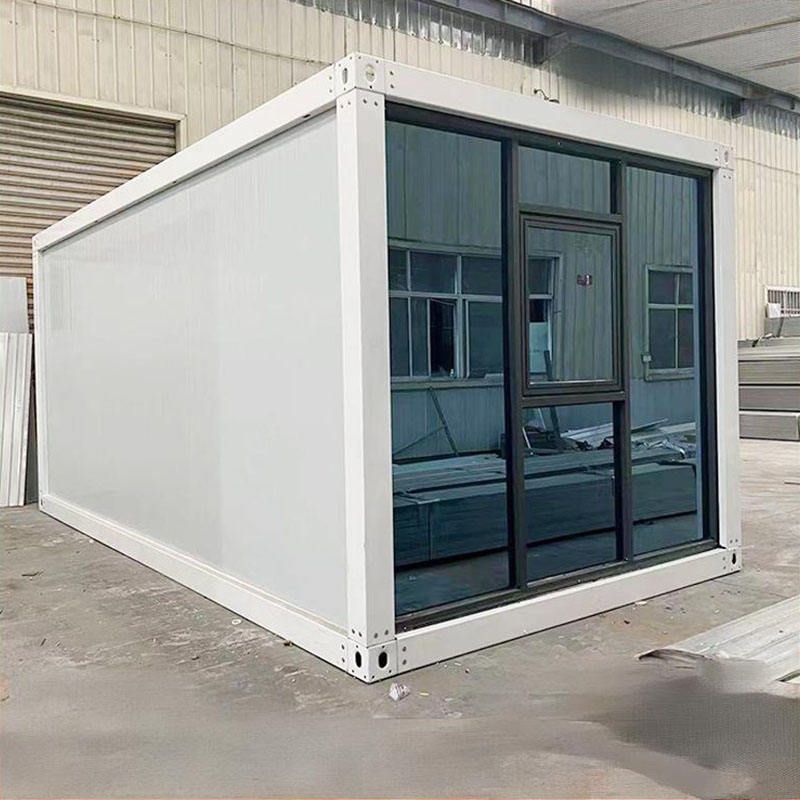
In terms of sewage treatment methods, there are three main types. Flush and Non-flush Suction Mobile Toilets: Flush toilets use water flow to flush away waste, keeping the toilet clean but consuming a certain amount of water resources; non-flush suction toilets, on the other hand, use negative pressure to suction waste into storage containers without the need for water, making them suitable for water-scarce areas. Recirculating Flush Mobile Toilets: These toilets purify sewage through biodegradation, chemical treatment, and other technologies, and then recycle the purified water for flushing, achieving the reuse of water resources and reducing dependence on external water sources. Dry Packaging Mobile Toilets: Waste is wrapped in special materials and directly packaged without the need for water or chemical treatment, facilitating easy cleaning and transportation, and suitable for temporary events or remote areas.
In terms of structural forms, they are mainly divided into single-unit mobile toilets and composite-structure mobile toilets. Single-unit structures are usually compactly designed, facilitating quick deployment and mobility, suitable for individual use scenarios; composite structures are composed of multiple single units and can be flexibly adjusted in scale and function according to needs, suitable for large-scale events or long-term use scenarios.
In terms of mobility methods, they include hoisting and handling mobile toilets and powered and towed mobile toilets. Hoisting and handling types rely on external equipment for movement, suitable for short-distance transportation or between fixed locations; powered and towed types are equipped with power systems or towing devices, allowing for self-movement or being towed by vehicles, offering higher flexibility and suitable for long-distance or frequent movement scenarios.
Additionally, in terms of operational plans, there are also waterless flush plans and flush plans. Waterless flush plans do not require connection to water supply and drainage pipes, relying on special treatment technologies to achieve harmless treatment of waste, suitable for areas without water sources or drainage conditions; flush plans require connection to water supply and drainage pipes, using water flow to flush and keep the toilet clean, suitable for areas with complete infrastructure.



