
Mobile Environmental Toilet Technical Renovation Project
The Mobile Environmental Toilet Technical Renovation Project primarily involves three major directions: technological innovation, functional realization, and urban sustainable development applications. It achieves resource recycling and efficient deployment by integrating new treatment technologies and intelligent management.
Technological Innovation: Breaking Away from Traditional Dependencies and Building a Self-Circulating System
Traditional toilets rely on municipal sewage networks and large amounts of water resources, whereas the technical renovation project reconstructs the technological system through source separation and in-situ resource treatment. Core innovations include:
- Microbial Fuel Cell Technology: This combines the decomposition of excreta with energy conversion. Specific bacterial communities release electrons when decomposing organic matter, forming microcurrents that power sensors, deodorizing fans, and other equipment, reducing reliance on external power sources. For example, modules installed in urinals can simultaneously complete degradation and electricity collection during liquid flow.
- High-Temperature Aerobic Fermentation Treatment: After feces enter the fermentation chamber, wood chips are added to adjust the carbon-to-nitrogen ratio. Aerobic bacteria metabolize at temperatures above 60°C, completing dehydration, sterilization, and humification within 8-12 hours, producing dry, odorless organic substrates (with a volume reduction of over 90%). The entire process requires no flushing water or sewage pipelines.
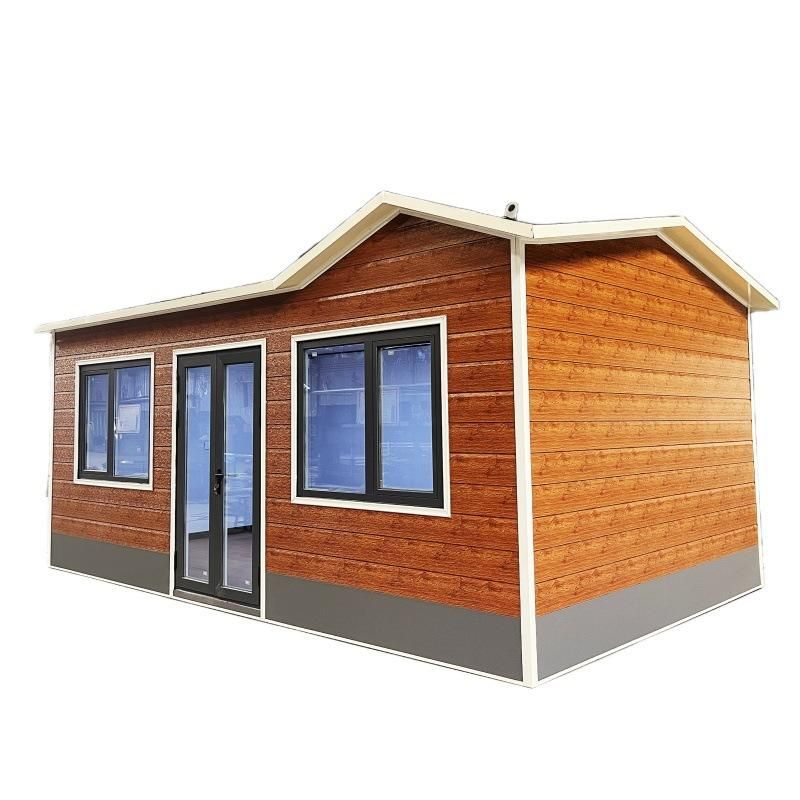
- Integrated Design: The excreta treatment, water resource recycling, and energy supply units are integrated into a movable container. Internally equipped with biodegradation devices, evaporation-condensation systems, or chemical treatment units, on-site decomposition and conversion are achieved.
Functional Realization: Emphasis on Modularity and Resource Conversion
The technical renovation project achieves functional upgrades through the synergy of multiple technologies:
- Isolation Collection and In-Situ Treatment: Solid and liquid wastes are stored separately using dry-wet separation or vacuum suction technologies. Microbial degradation types decompose organic matter through bacterial communities, while physical-chemical types eliminate pathogens through high-temperature evaporation or oxidation reactions.
- Resource Recycling: Solids are converted into stable organic matter for greening, and condensed water is recycled for non-potable flushing. Some models collect biogas or waste heat to provide auxiliary energy for lighting and ventilation.
- Intelligent Monitoring and Modular Transportation: The container bottom integrates an intelligent weighing system that automatically prompts for cleaning when fully loaded. The exterior is equipped with meteorological sensors and photovoltaic films, supporting independent operation in areas without external power grids. The modular assembly structure facilitates hoisting and transportation, enhancing deployment flexibility.
Urban Sustainable Development Applications: Flexible Management and Ecological Protection
The technical renovation project provides low-impact solutions for cities:
- Historical Districts and Cultural Heritage Protection Areas: Sanitary facilities can be added without excavating underground sewage networks, reducing damage to the urban fabric.
- Large-Scale Events and Emergency Scenarios: Self-circulating toilets can be rapidly deployed and entirely removed after events, leaving no pollution residues on the site and achieving flexible management based on demand.
In addition, ecological toilet products such as foam sealing and microbial degradation introduced by companies like Cangzhou Hengtai Sanitation Equipment Co., Ltd., as well as IoT monitoring technologies for smart toilets, provide technical supplements and optimization directions for the technical renovation project.



