
Mobile Environmental Toilet Investment
Mobile environmental toilet investment has certain potential, but it requires a comprehensive assessment of market opportunities and risks.
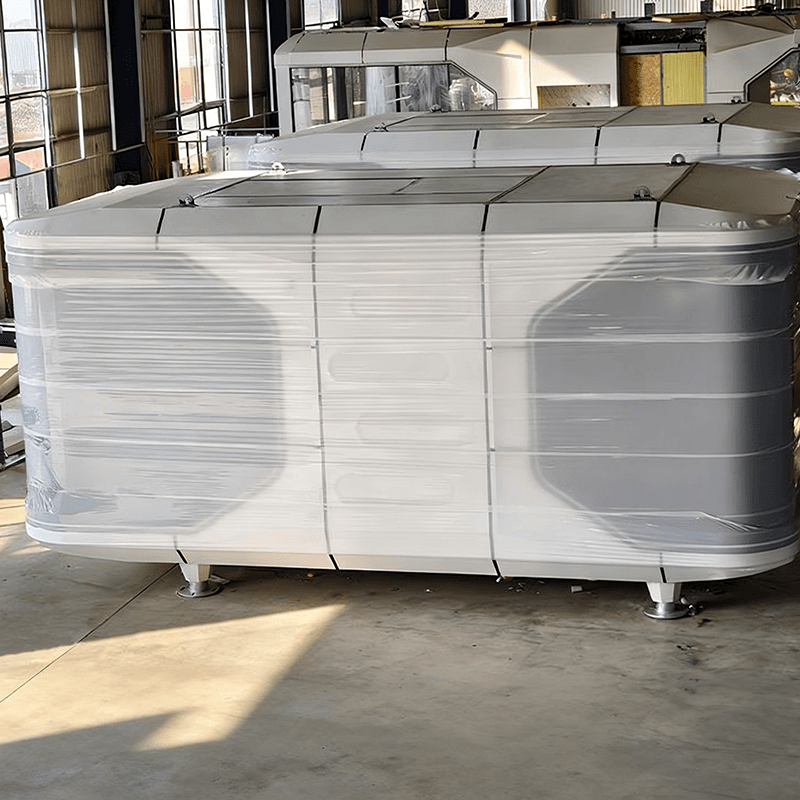
Market Size and Growth Drivers
In 2024, the market size of mobile toilets in China reached 58.7 billion yuan, a year-on-year increase of 6.3%. It is expected to expand to 67.8 billion yuan in 2025, with the growth rate rising to 15.5%. By 2026, the overall market size will exceed 100 billion yuan, with a compound annual growth rate exceeding 12%. Growth is mainly driven by both policies and demand:
- Policy Support: The government has increased investment in urban and rural sanitation infrastructure, promoting the construction of public health systems, especially providing clear policy guidance in areas such as rural toilet renovation and emergency disaster relief.
- Demand Release: There is a surge in demand for flexible and efficient sanitation facilities in large-scale public events (such as sports events and exhibitions), tourist attractions, and construction sites. Traditional fixed toilets are unable to meet temporary or mobile needs.
- Technological Upgrades: Innovative applications such as modular design, water-saving technologies, and biodegradation systems are driving products towards a green and low-carbon transformation. Some high-end products integrate IoT monitoring and automatic cleaning functions, enhancing operational efficiency and user experience.
Core Investment Opportunities
- Diversified Scenarios: There are structural growth opportunities in three major areas: emergency disaster relief, outdoor cultural tourism, and rural toilet renovation. For example, under the rural toilet renovation policy, there is strong demand for low-cost and easy-to-maintain mobile toilets. In cultural tourism scenarios, high-end customized products can meet the differentiated needs of scenic spots.
- Technology-Driven Premium: Products equipped with IoT and resource recycling technologies (such as fecal harmless treatment) can achieve higher profit margins by enhancing added value.
- Full-Process Service Model: Providing full lifecycle services from design, deployment, to operation and maintenance can address the pain points of high operation and maintenance costs and low management efficiency in the industry, forming differentiated competitive advantages.
Potential Risks and Challenges
- Cost Fluctuations: Fluctuations in raw material prices (such as steel and plastics) may compress profit margins, necessitating cost reductions through supply chain optimization or large-scale production.
- Policy Dependency: Slowdowns in government procurement schedules in some regions may affect short-term earnings, requiring attention to local fiscal budgets and project execution progress.
- Homogenized Competition: The low-end market suffers from severe product homogenization, necessitating technological innovation or service upgrades to avoid price wars.
- Environmental Adaptability: Different climatic and geographical conditions pose challenges to product durability, requiring enhanced material research and development and scenario-based customization capabilities.
Conclusion: Mobile environmental toilet investment should focus on technological upgrades and scenario deepening, prioritizing布局 (layout) in high-growth areas while building barriers through full-process services and cost control to cope with market fluctuations and competitive pressures.



