Mobile Elevator Toilet
"Mobile Elevator Toilet" is not a standard term, but based on available information, it can be inferred to refer to a toilet facility that is both mobile and equipped with elevator functionality, designed to meet the needs of toilet use and vertical movement in specific scenarios.

Toilet Elevator: Solving Vertical Movement Challenges
A toilet elevator is an assistive device specifically designed for individuals with mobility impairments. It typically comes with a seat, dual armrests, and a manual controller. Users can adjust the seat height via the controller to achieve safe and comfortable lifting and lowering, facilitating toilet use. Its core function is to overcome vertical movement barriers, making it suitable for use in homes, nursing homes, or medical institutions, particularly for the elderly, disabled individuals, or post-operative rehabilitation patients.
Mobile Toilet: Adapting to Flexible Scenario Requirements
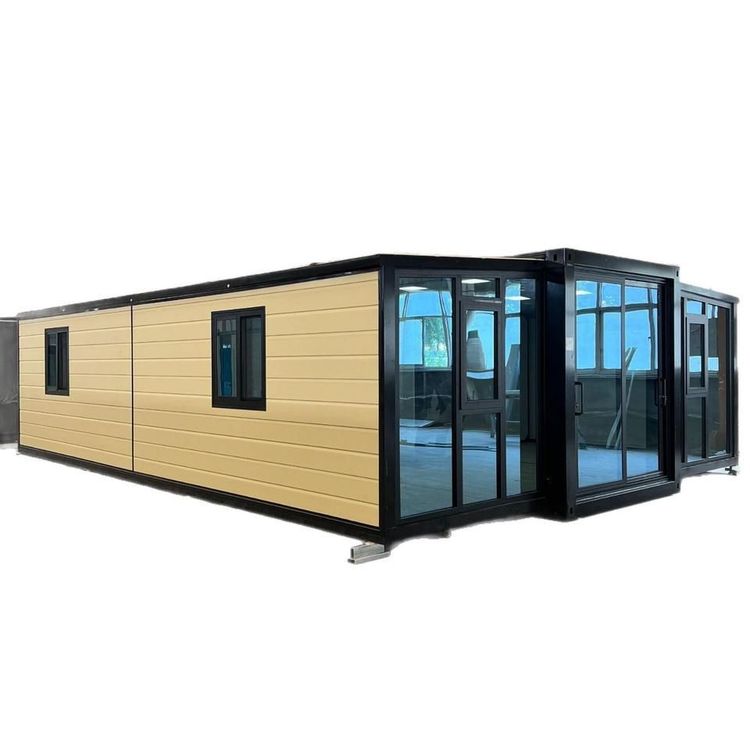
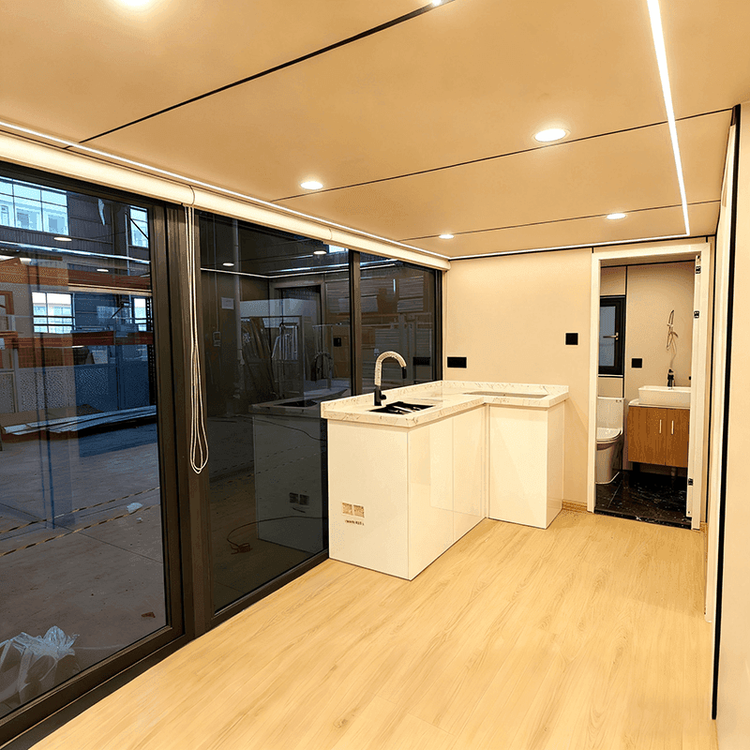
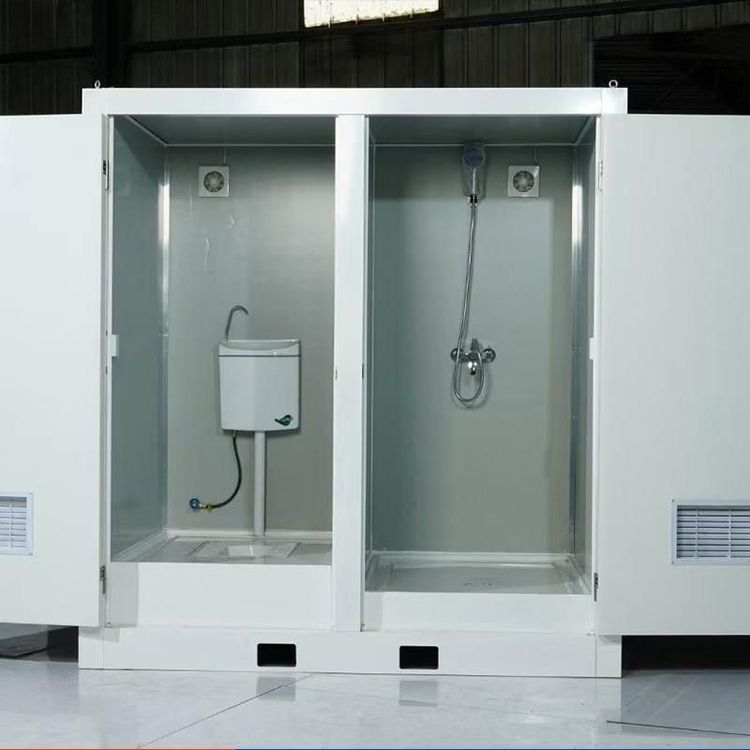
A mobile toilet is a sanitary facility that can be moved as a whole, commonly found at temporary events, construction sites, disaster areas, or tourist attractions. Its advantage lies in its ability to be rapidly deployed and relocated, avoiding resource waste caused by fixed toilets due to site changes. Modern mobile toilets often adopt an integrated design, equipped with septic tanks, ventilation systems, and lighting fixtures internally. Some high-end models also incorporate intelligent management systems that monitor usage status, cleanliness, and energy consumption data through sensors to enhance operational efficiency.
Potential Forms and Functions of Mobile Elevator Toilets
Combining a toilet elevator with a mobile toilet could result in a "mobile + vertical assist" composite facility. For example:
- Structural Integration: Install an elevator module inside or outside the mobile toilet, using hydraulic or electric systems to achieve seat lifting and lowering while maintaining the toilet's mobility.
- Technical Adaptation: Utilize lightweight materials to reduce overall weight, ensuring transportation convenience; equip with an independent power source (such as photovoltaic power generation) or batteries to support the operation of the elevator and internal toilet equipment.
- Application Scenarios: Suitable for multi-story building renovations, temporary exhibitions, or old communities without elevators, addressing both toilet needs and vertical movement support.
Existing Case Reference
The Beijing Mobile Integrated Toilet demonstrates the feasibility of integrated design: through factory-standardized production, it integrates a circulation system, photovoltaic power generation, and an intelligent management module. If an elevator function were to be added on this basis, key issues such as spatial layout, power supply, and safety certification would need to be addressed, but the technical path is feasible.
In conclusion, although the mobile elevator toilet lacks a clear definition, through modular design and technological integration, an innovative sanitary facility that meets special needs can be constructed.