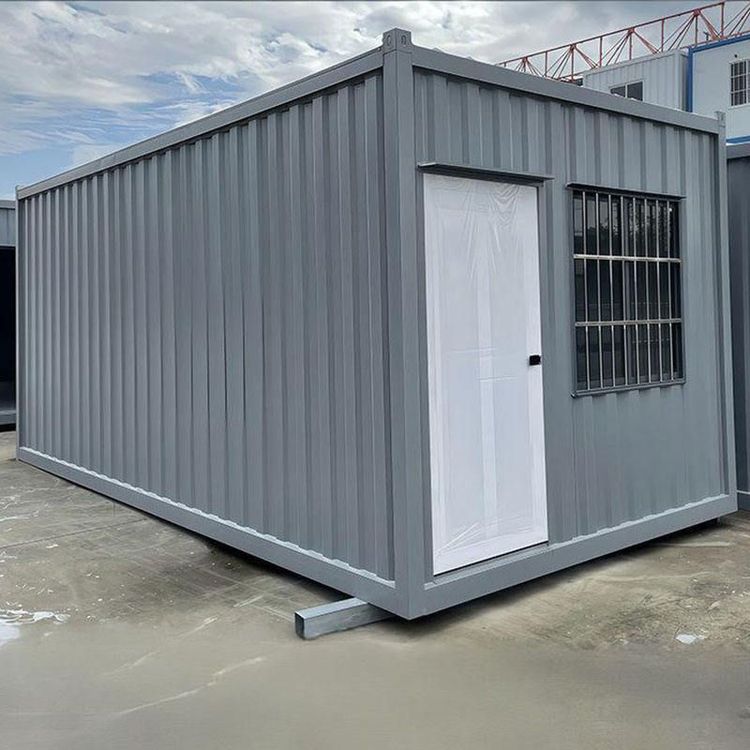
Mobile Drawer-Style Toilet
The mobile drawer-style toilet is a type of mobile toilet. Currently, there is limited detailed public information about its specific features and construction, but reasonable inferences can be made by combining the general characteristics of mobile toilets.

Mobile toilets are typically composed of modules such as fecal sewage storage tanks (or disposal devices), floor slabs, sanitary ware, walls, washing equipment, water tanks, roofs, and mobile devices. They have the core advantages of being movable, combinable, and easy to transport. Their classification is mainly based on sewage treatment methods, including water-flush and waterless-flush suction types, circulating water-flush types, and dry-packing types. The mobile drawer-style toilet may belong to a sub-type of the dry-packing type or the waterless-flush suction type, with the term 'drawer' in its name likely referring to a special design in the fecal collection or treatment process.
From a structural perspective, the fecal collection device of the mobile drawer-style toilet may adopt a drawer-style structure for quick disassembly and cleaning. For example, feces may fall into a pull-out sealed container through gravity or mechanical devices. During cleaning, only the 'drawer' needs to be pulled out and replaced with a new container, or transported to a designated location for harmless treatment. This design may eliminate the need for the water tank and sewage pipes of traditional water-flush toilets, reducing water consumption and sewage discharge, making it suitable for water-scarce areas or temporary event scenarios.
Its mobility may be achieved through bottom wheel devices or detachable frames, facilitating overall transportation or modular assembly. The walls and roof may use lightweight materials (such as aluminum alloy or plastic panels) to reduce weight while ensuring structural strength and privacy. Sanitary ware (such as toilets or squat pans) may adopt odor-proof designs, such as sealing valves or biodegradable materials, to reduce odor diffusion.
Due to the lack of specific technical parameters, the applicable scenarios for the mobile drawer-style toilet may include temporary needs such as outdoor music festivals, construction sites, and disaster relief, or places with high environmental protection requirements like eco-tourism areas. Its advantages lie in rapid deployment, flexible position adjustment, and no need to connect to municipal sewage systems. However, regular cleaning of the fecal container is required to maintain hygiene. In the future, if combined with intelligent monitoring technologies (such as overflow alerts and automatic disinfection), its convenience of use may be further enhanced.