
Mobile Direct Discharge Toilet Installation
The installation of a mobile direct-discharge toilet must be carried out strictly in accordance with the steps of planning and preparation, positioning, and leveling of the main body. The specific operations are as follows:
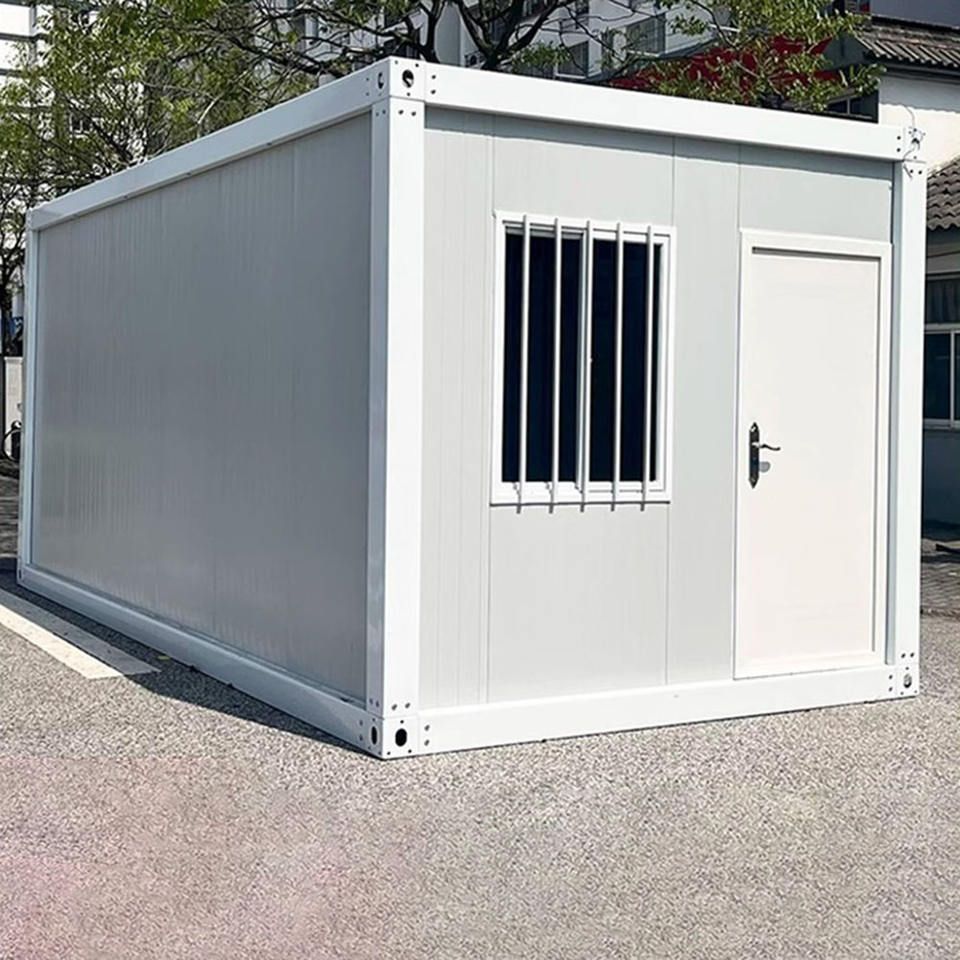
I. Planning and Preparation Before Installation
Site Assessment and Selection
Select a solid and flat ground (such as a cement-hardened ground or asphalt ground). Ensure that there is a municipal sewage pipe network or a preset septic tank interface accessible near the installation point. At the same time, sufficient space should be reserved around the toilet for people to use and pass through. Avoid low-lying areas prone to water accumulation, and place the toilet downwind according to the wind direction to reduce odor diffusion.Infrastructure Preparation
Lead the underground sewage pipe interface to the ground in advance and install a well-sealed anti-odor floor drain or docking flange. If the toilet needs to be equipped with lighting, an exhaust fan, or an automatic flushing device, reserve a waterproof power interface nearby. If water is required for hand washing or enhanced toilet flushing, reserve a water supply pipe interface. In addition, prepare fixing devices (such as ground fixing pull rings, expansion bolts, or windproof cables) according to the on-site environment to prevent the toilet from moving due to external forces.Equipment Inspection
Check whether the main structure of the toilet is intact, whether the doors and windows open and close smoothly, and whether the internal accessories (such as the toilet bowl, water tank, and handrails) are complete and firmly installed by referring to the checklist. Focus on checking the flexibility of the switch of the bottom sewage valve and the integrity of the sealing rubber ring. If the valve is stuck or the rubber ring is damaged, replace it in a timely manner to avoid leakage.
II. Positioning and Leveling of the Main Body
Transportation and Hoisting
Use a forklift or crane for movement. The hoisting belt or forklift tines must act on the special load-bearing structures (such as reinforcing beams or hoisting rings) at the bottom of the toilet. It is strictly prohibited to act directly on non-load-bearing parts to prevent structural deformation or damage.Precise Positioning
Slowly lower the main body of the toilet so that its bottom sewage outlet is aligned above the pre-set sewage pipe interface on the ground. Since there may be slight deviations in the interface, multiple fine adjustments (such as using a jack or manual pushing) are required to ensure alignment. The deviation should be controlled within ±2cm to avoid difficulties in subsequent connections.Level Adjustment
Use a level to check whether the four corners of the toilet are level. Make corrections by adjusting the bottom support feet or inserting anti-slip gaskets. The level error should be ≤5mm to prevent poor sewage discharge or equipment damage due to tilting. After adjustment, firmly connect the toilet to the ground with fixing devices (such as expansion bolts) to ensure stability.



