
Mobile Convenience Store Restroom
Currently, there is no standardized product for 'mobile convenience store restrooms,' but functional integration can be achieved through modular design. The combined application of mobile convenience stores and restrooms primarily relies on modular container technology, integrating commercial services and sanitation facilities into the same structural unit through customized design. The technical approach and application scenarios are as follows:
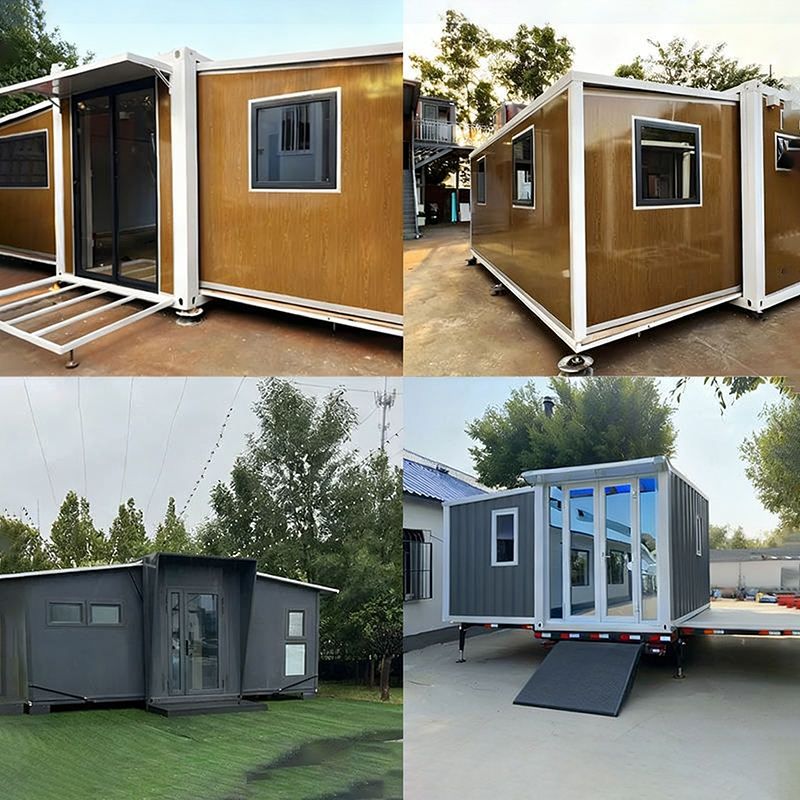
1. Integration Capability of Modular Containers
The modular containers from Sichuan Zhengtong Environmental Protection Engineering Co., Ltd. utilize a steel frame structure and assembly-style construction, supporting flexible combinations of functional modules. These containers can simultaneously integrate convenience store shelves, cashier systems, and mobile restroom units, forming a three-dimensional layout of 'store in front, restroom in back' or 'store on top, restroom below.' For example, in scenic spots or commercial streets, the container's exterior can be designed as a convenience store window, with the interior divided into retail and sanitation areas by partitions, meeting both tourists' shopping needs and providing basic sanitation services.
2. Customized Practices for Mobile Restrooms
The modular design of mobile restrooms has achieved a high degree of customization. Dezhou Hongtu Metal Products Co., Ltd. customized an 'Apple Pod Mobile Restroom' for a scenic spot in Anhui, using Great Wall panels and sheet metal spray-painted with real stone paint, featuring separate areas for men and women, independent ventilation, and other functions. Its modular structure seamlessly connects with the convenience store container. Additionally, Zhengtong Environmental Protection's high-end ecological mobile restroom (priced at ¥1849.00) emphasizes water-saving, deodorization, and other environmental performance features, sharing resources with the convenience store's water and electricity modules through a piping system, reducing overall operating costs.
3. Industry Trends in Functional Integration
The popularity of container-style mobile shops has driven the integration of 'commercial + sanitation' functions. For example, at temporary exhibitions or music festivals, container shops can be equipped with micro mobile restrooms, enabling rapid deployment through unified exterior design and power systems. These combined units typically use standardized interfaces for easy transportation and reuse, while real-time management of customer flow and sanitation conditions is achieved through intelligent monitoring systems, enhancing operational efficiency.
4. Supplier Selection and Customization Considerations
To achieve functional integration of mobile convenience stores and restrooms, three key points should be considered:
- Structural Compatibility: Ensure the container's load-bearing capacity and spatial layout can accommodate restroom equipment;
- Water and Electricity Support: Plan independent water supply and drainage pipelines and power supply to avoid cross-contamination;
- Compliance: Ensure the design complies with local public health and commercial operation regulations.
Suppliers typically offer full-process services from design to installation and commissioning, allowing users to choose basic or high-end customized solutions based on scenario requirements.



