
Mobile Container Toilet
Mobile container toilets are a form of movable toilet, featuring modular design that can be customized and assembled according to needs, offering flexibility, rapid deployment, and strong environmental adaptability.
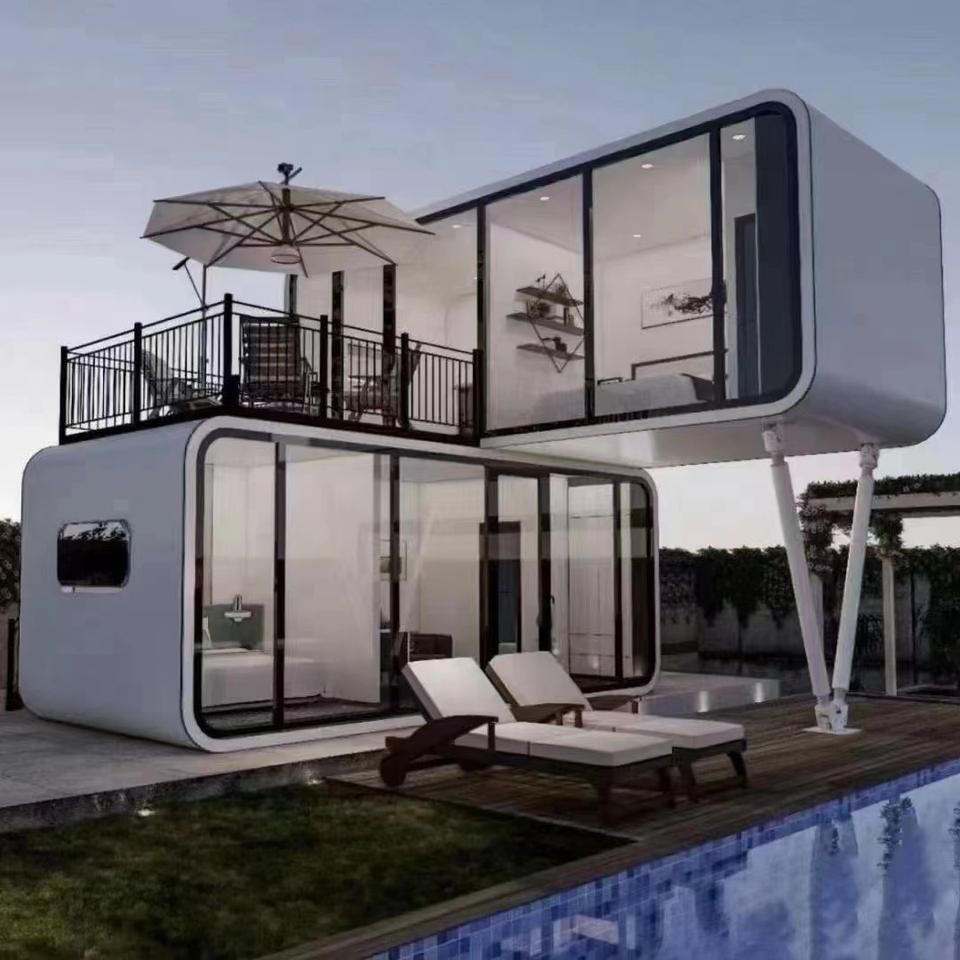
I. Structural and Functional Characteristics
Mobile container toilets typically center around modular design, enabling rapid assembly and disassembly through standardized components. For instance, some customized packing-box toilets are richly equipped inside: an energy-saving light switch at the entrance meets nighttime usage needs; the interior includes three urinals with partitions and five squat toilets with compartments, balancing simultaneous use by multiple people and privacy protection; energy-saving flush tanks and ceramic storage toilets are provided to enhance hygiene levels; and the design of ventilation louvers effectively improves internal air quality, preventing odor buildup. Another type, the Apple Cabin toilet, is optimized for scenic campgrounds, featuring gender-separated designs, refined interior decoration to enhance the user experience, sliding windows for improved lighting and ventilation, and multiple urinals to further meet high-traffic demands.
II. Application Scenarios and Advantages
Their flexibility makes them suitable for various scenarios: outdoor events (such as music festivals and sports events) requiring rapid deployment of temporary sanitation facilities; construction sites needing movable and durable toilets due to high personnel turnover; and tourist attractions needing to balance environmental harmony with visitor needs. Modular design allows for scaling based on site size and user numbers, such as expanding capacity by assembling multiple units. Additionally, their strong environmental adaptability enables them to handle complex terrains or climatic conditions, with some models incorporating eco-friendly materials or water-saving technologies to reduce their impact on the natural environment.
III. Technological Development Trends
With technological advancements, mobile container toilets are evolving towards intelligence and environmental friendliness. For example, some products integrate sensors to monitor usage frequency, automatically adjusting ventilation and lighting; biological degradation technology is employed to treat waste, reducing reliance on traditional sewage systems; and solar panel power systems enhance energy self-sufficiency. These innovations further expand their application scope, particularly in remote areas or ecologically sensitive regions, serving as effective alternatives to traditional fixed toilets.



