Mobile Container Panel Houses
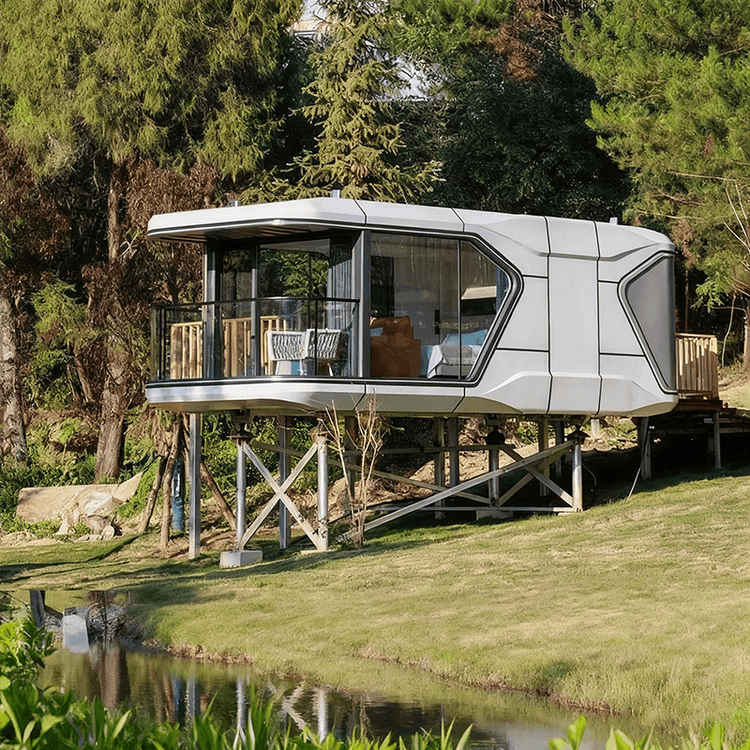
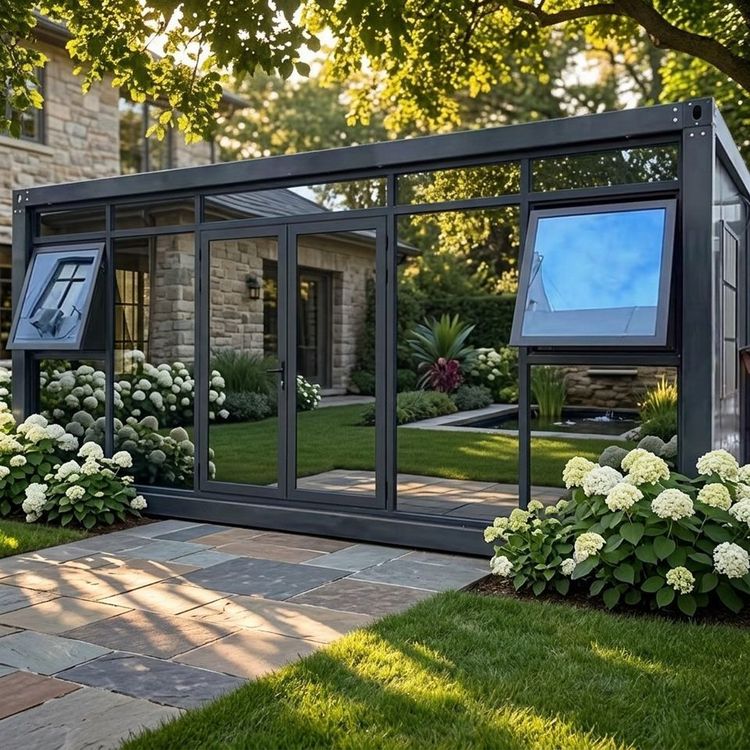
Mobile container panel houses are a modular, movable form of temporary architecture, characterized by rapid assembly and flexible applications. They are widely used in large-scale events, construction camps, commercial settings, and emergency scenarios, though attention to detailed design optimization is required.

I. Structural Forms and Assembly Features
Container panel houses are based on standard containers or modular units, enabling rapid assembly through splicing, folding, or quick-assembly techniques. For example, the modular houses used at the Nagoya Asian Games were temporary structures, with folding types (such as those from Suzhou Zhongnan, which can be unfolded by two workers in 30 minutes) and quick-assembly types available on the market. Folding designs significantly enhance portability, reducing the volume to just 1/5 of the unfolded state and increasing transportation efficiency by 233%, making them suitable for frequent relocation scenarios.
II. Core Application Scenarios
- Large-Scale Event Accommodation: At events like the Asian Games, container houses provide temporary housing for athletes, with some delegations opting for container accommodations to alleviate hotel pressure.
- Construction Camps: Used for on-site dormitories and project offices, emphasizing installation efficiency (e.g., basic construction site housing costs around 100 yuan per square meter) and structural stability, with mainstream products passing 8-level wind simulations.
- Commercial Uses: In scenarios requiring customized design, such as pop-up shops and exhibition booths, they offer high spatial flexibility.
- Emergency Rescue: Emergency container mobile homes can be quickly deployed, adapting to extreme environments like post-disaster temporary shelter.
III. Pricing and Supplier Selection
Market prices vary significantly based on materials, specifications, and functions:
- Basic construction site container houses cost around 100 yuan per square meter, offering high cost-effectiveness.
- Fully furnished residential container houses cost about 950 yuan per unit, suitable for long-term occupancy.
- High-end folding container mobile homes can reach 9,800 yuan per unit, balancing portability and comfort.
Key suppliers include Hebei Chuanjin Integrated Housing and Suzhou Zhongnan Steel Structure, among others, with selection based on project requirements and compliance with standards.
IV. Performance Evaluation and Optimization Directions
- Installation Efficiency: Folding products significantly shorten construction cycles, though operator training is required to ensure proper deployment.
- Wind Resistance: Mainstream products pass 8-level wind tests, but additional anchoring measures are needed in typhoon-prone areas.
- Detail Design: The Nagoya Asian Games case revealed issues like sink leaks and insufficient bed length (1.95-meter beds failing to accommodate athletes over 2 meters tall), highlighting the need for ergonomic and waterproofing improvements.
V. Practical Case Insights
While temporary buildings prioritize efficiency and cost, detailed design directly impacts user experience. For example, emergency scenarios require reserved equipment interfaces, while commercial uses demand sound insulation and aesthetics. Future directions include lightweight material applications, smart integrations (e.g., solar power), and modular standard upgrades.