Mobile Container House Power Connection
The power connection of mobile container houses requires following professional procedures to ensure safety and compliance, with main steps including design planning, pipeline connection, electrical installation and commissioning, and implementation of safety protection measures. Details are as follows:
1. Design Planning and Basic Preparation
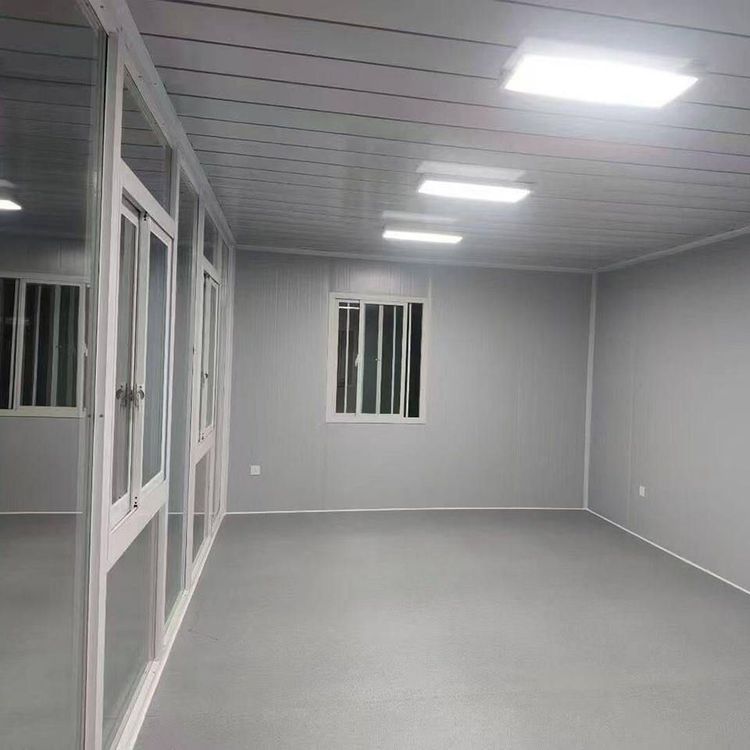
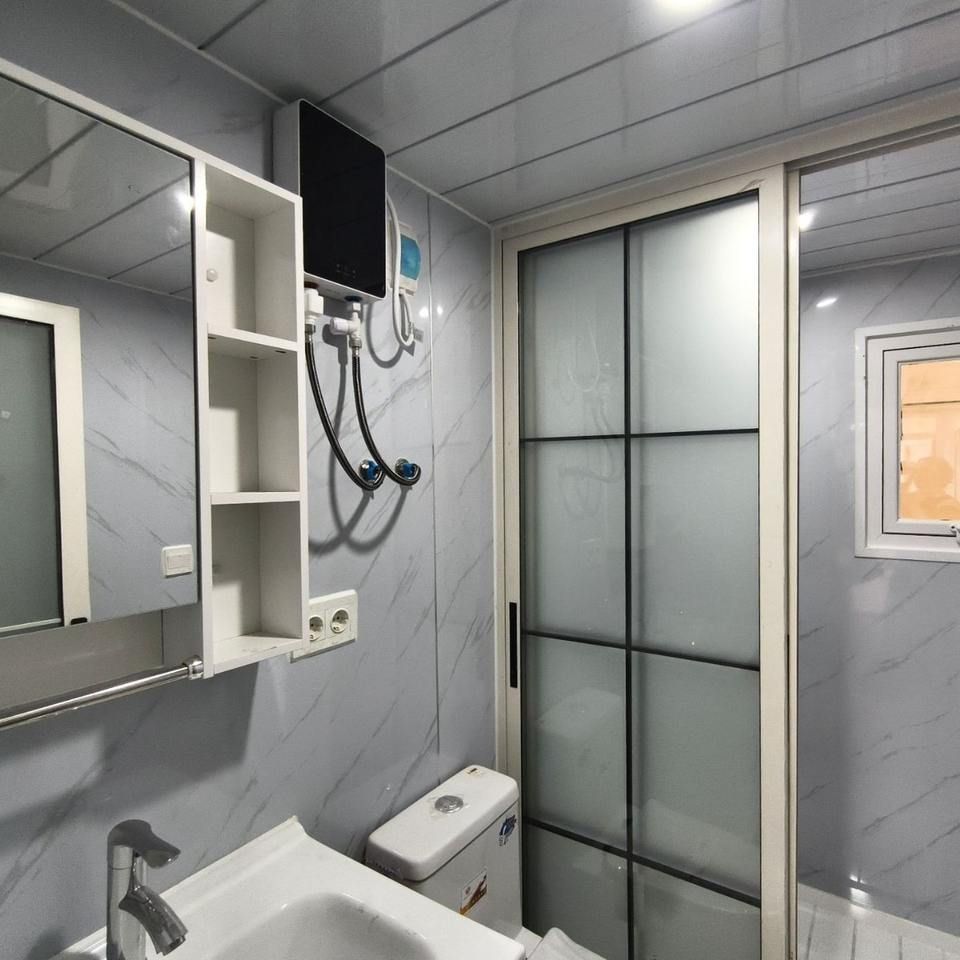
The power connection of container houses should be designed based on the house's purpose, power load, and site conditions. For example, if used for living or office purposes, circuits for lighting, sockets, and air conditioners need to be planned; if used in industrial settings, the power of equipment and three-phase balance need to be considered. Some manufacturers (such as Qinghai Guangzan Light Steel) offer integrated prefabrication services for water and electricity foundations, and only pipeline connection needs to be completed on-site, which can greatly simplify the process. In addition, it is necessary to confirm whether the site has power access conditions, such as mains power supply or the need to configure generators and energy storage systems.
2. Pipeline Connection and Electrical Installation
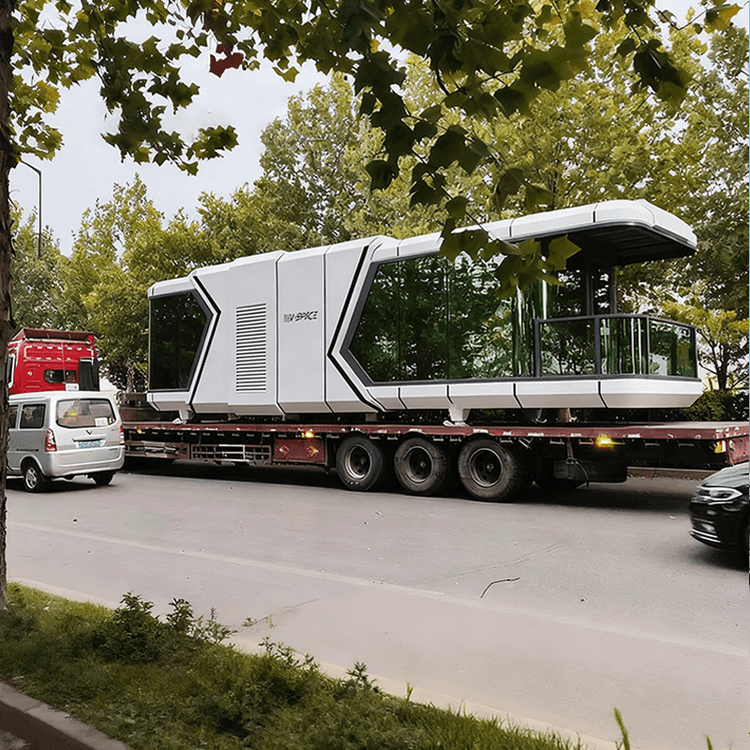
- Pipeline Connection: Container houses usually have reserved water and electricity interfaces, which need to be connected to external power sources (such as mains power and solar panels) and load equipment (such as lighting and air conditioners). For example, some container houses produced by manufacturers in Shenzhen adopt integrated prefabrication of frames, walls, and water and electricity foundations, and only need to be spliced and fixed on-site before pipeline connection.
- Electrical Installation: This includes the installation of distribution boxes, switches, and sockets, which must comply with electrical safety standards. For example, the power distribution of container energy storage systems requires the configuration of battery packs, battery management systems (BMS), energy storage inverter systems, and AC distribution integrated boxes to ensure the conversion between DC and AC power and the balance of power supply and consumption.
3. Commissioning and Acceptance
After the wiring is completed, system commissioning is required to check whether various performance indicators meet the design requirements. For example, energy storage containers need to verify the operation of battery status monitoring, inverter efficiency, and temperature control systems (ventilation and refrigeration); ordinary container houses need to test whether the circuits for lighting, sockets, and air conditioners are normal and check the reliability of the grounding system.
4. Safety Protection and Compliance
- Insulation Treatment: All electrical connections need to be insulated to prevent the risk of electric leakage.
- Fire Protection Configuration: Container houses need to be equipped with fire protection systems, especially energy storage houses, which need to deal with the risk of battery fires.
- Compliance: The power connection project must comply with local electrical safety regulations, and in some scenarios, an application for power access permission is required.