Mobile Container House Environmental Protection
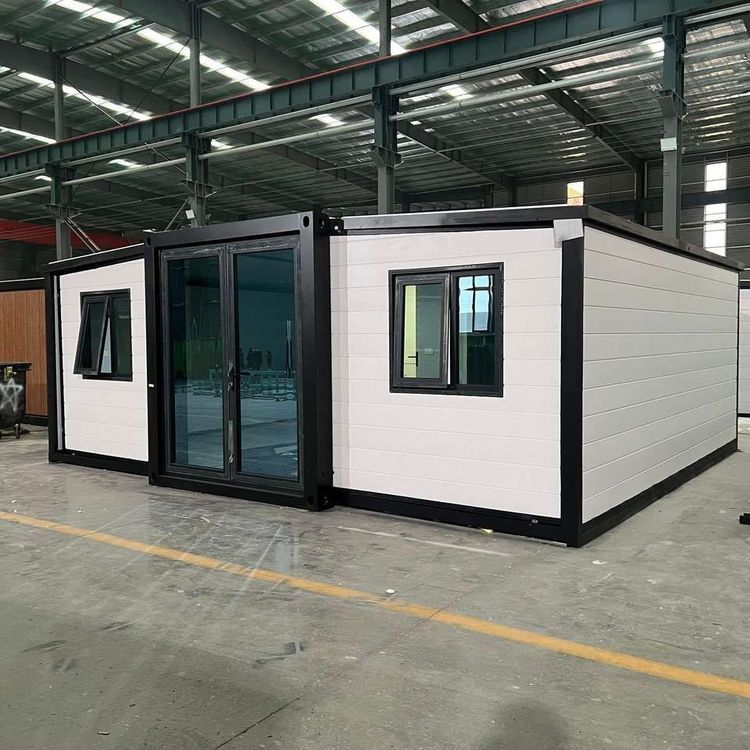
Mobile container houses have significant advantages in environmental protection, mainly reflected in material recycling, reduction of construction waste, low-carbon construction processes, and efficient resource utilization due to their mobility.
Material Recycling and Low Carbon Emissions
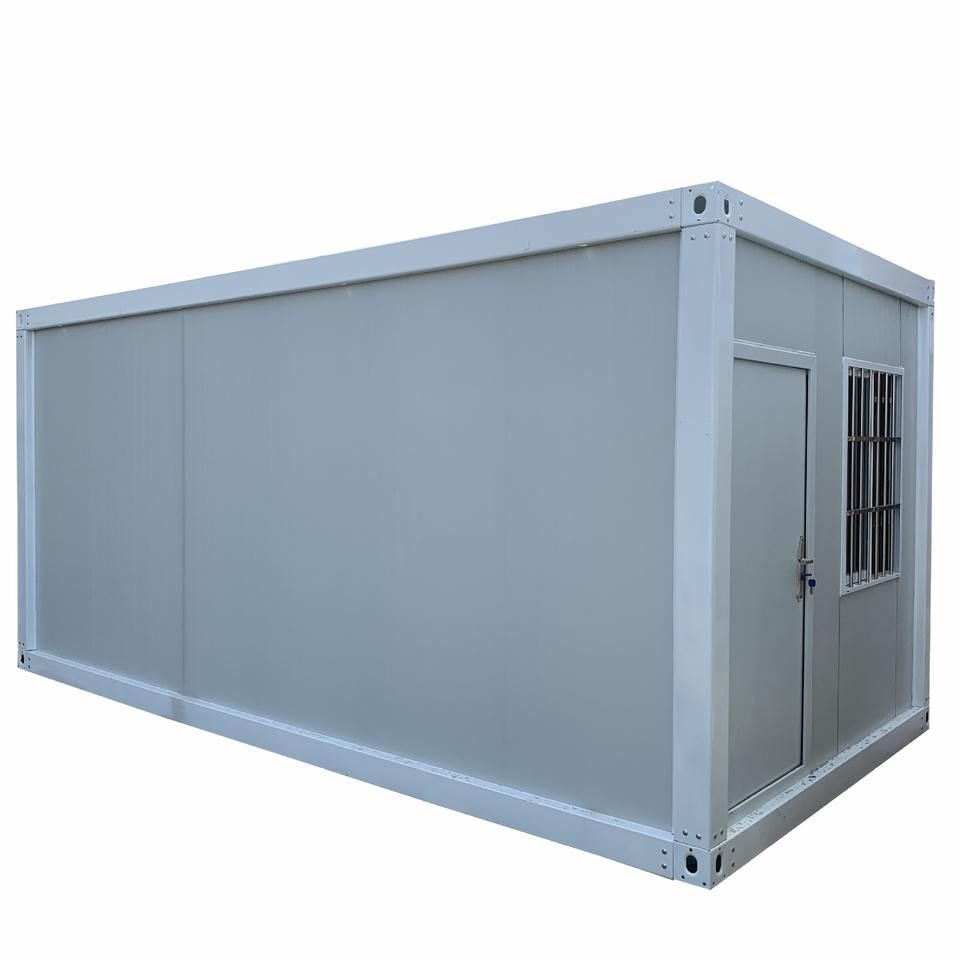
Container houses primarily use steel as their structural material, with each standard 20-foot container consuming approximately 1.2 tons of steel. Compared to traditional temporary concrete buildings, the carbon emissions from concrete and steel for the same area are 2.3 times higher than those of container houses. Steel can be recycled throughout its entire lifecycle. When the house is relocated or the project ends, the container can be hoisted as a whole to a new site, with disassembly and assembly losses controlled within 5%. In contrast, traditional prefabricated houses require the replacement of a large amount of paneling with each disassembly, generating substantial construction waste.
Reduction of On-Site Pollution and Resource Consumption
The construction process of container houses is highly industrialized, with modular design allowing most components to be prefabricated in factories, requiring only hoisting and simple connections on-site. This approach reduces on-site construction waste by more than 75% and lowers noise pollution by over 90%. For example, Baotou Camp Container House Company completed the delivery of 1,000 accommodation modules within three months using a factory prefabrication + on-site rapid assembly model, shortening the industry average construction period by 40% while avoiding dust and wastewater discharge issues associated with traditional construction methods.
Energy-Efficient Design and Renewable Energy Integration
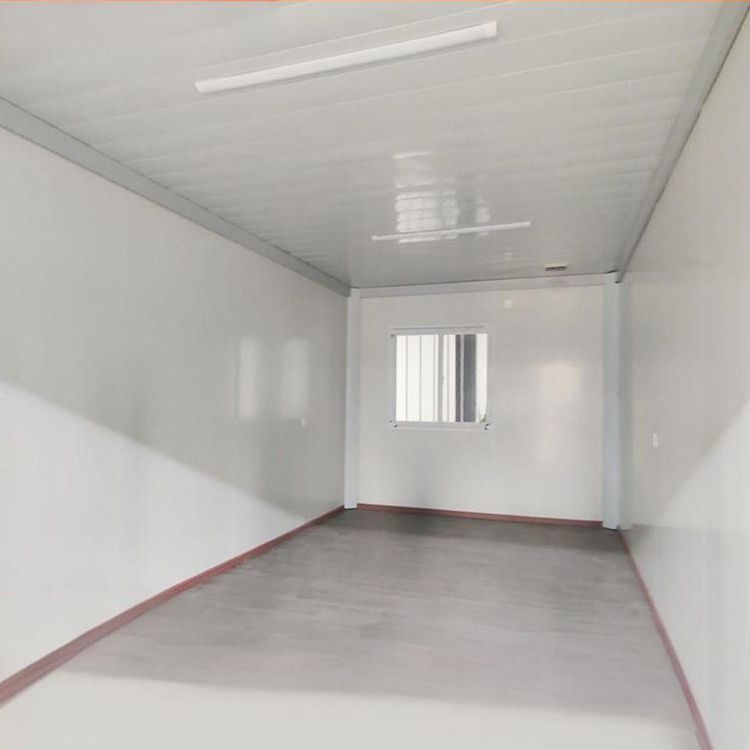
Container houses enhance their environmental performance through structural optimization. For instance, the use of a thermal break lining structure (with hard polyurethane foam filled between the steel frame and interior wall panels) can reduce heat exchange efficiency between the interior and exterior of the container by approximately 40%. In winter, without heating, the indoor temperature is 8-10 degrees Celsius higher than the outside, reducing heating energy consumption. Some products also integrate eco-friendly features such as solar panels, rainwater harvesting systems, and green roofs, further minimizing environmental impact.
Flexible Mobility and Efficient Land Resource Utilization
Container houses have low requirements for land foundations, needing only a few load-bearing points to meet safety needs. They can be installed using point pile foundations (such as cast-in-place concrete or ground screw foundations) or directly on plazas, roadsides, and other scenarios. Their mobility supports multi-site utilization or recycling, avoiding land idleness issues after the demolition of traditional buildings and achieving efficient resource allocation.