Mobile Bathroom, Toilet, Restroom
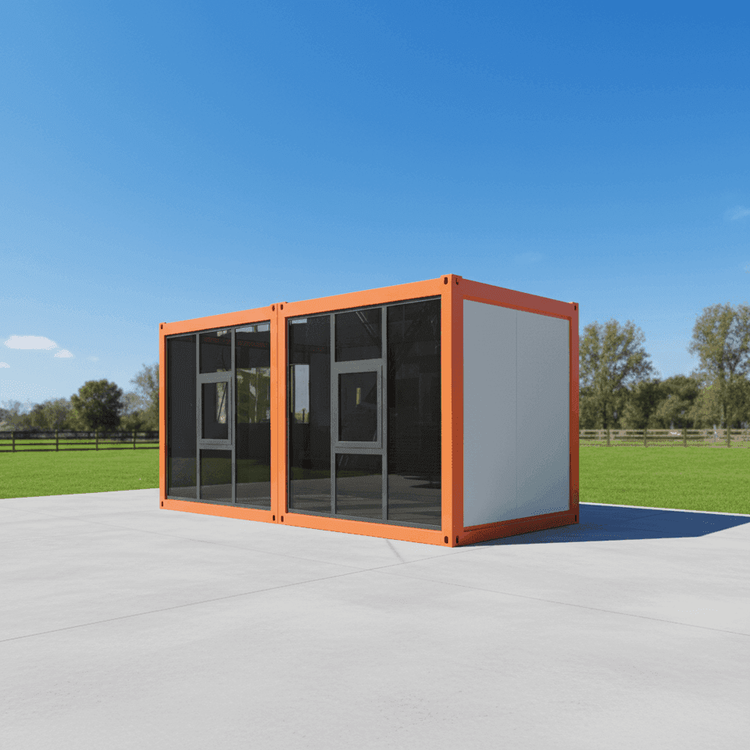
A mobile bathroom, toilet, or restroom is a facility that can be moved as a whole and is suitable for both fixed and temporary locations, featuring modular design, easy installation, and flexible application.

Structural Composition and Functional Design
The core structure of a mobile toilet includes a fecal sewage storage tank (or treatment device), flooring, sanitary ware, walls, washing equipment, water tanks, roofs, and mobile devices. Depending on functional requirements, its internal layout can be diversified:
- Basic Type: For example, a double-compartment mobile restroom, 2.5 meters in length, adopts a single-sided layout with a public sink in the middle (finished with sheet metal spraying and aluminum-plastic panel decoration), suitable for temporary event venues.
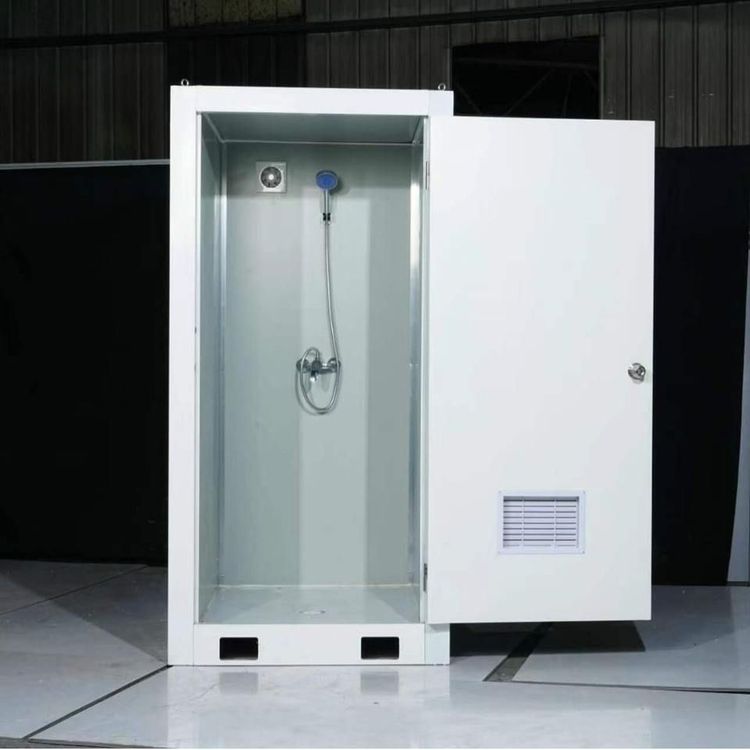
- Wet-Dry Separation Type: Integrates a toilet (or squat toilet), shower, sink, wall-mounted storage, LED lighted mirror, etc., and can be used immediately after connecting to water and electricity. The shower area is equipped with a showerhead, floor drain, and frosted glass door to achieve wet-dry separation and enhance user comfort.
- Economical and Practical Type: Designed with multiple squat positions (e.g., 8), featuring a gray and white metal carved panel exterior, separate male/female restroom entrances, sliding windows and stone wall lights on the front wall, and independent partitions between toilet compartments, balancing ventilation and privacy.
Classification and Advantages
Mobile toilets can be classified by structural form into single-unit and connected types; by mobility into towed and self-propelled types; and by sewage treatment into direct-discharge, packaged, and biodegradable types. Their core advantages include:
- Mobility: Modular design supports overall relocation, adapting to scenarios such as temporary exhibitions, disaster relief, and construction sites.
- Rapid Deployment: No civil engineering is required; they can be used immediately after connecting to water and electricity, shortening the construction cycle.
- Environmental Protection and Energy Efficiency: Some models are equipped with fecal treatment devices to reduce pollution; wet-dry separation design reduces water consumption.
- Flexible Combination: Functional modules such as squat positions and sinks can be added or removed according to needs to accommodate different numbers of users.
Application Scenarios
Mobile toilets are widely used in outdoor events (music festivals, sports events), tourist attractions, construction sites, emergency rescue, and other scenarios. Their design balances hygiene and practicality, such as optimizing ventilation through sliding windows in economical models and protecting privacy with frosted glass doors in wet-dry separation models, all reflecting attention to user experience.