
Mobile Bathing and Toilet Facilities
Mobile bathing and toilet facilities are movable installations that can be set up at fixed or temporary locations, combining both bathing and toilet functions. Their design flexibility and functional integration make them widely applicable in scenarios such as emergency rescue, outdoor activities, and temporary construction projects. The following provides an introduction from three dimensions: structure, mobility, and sewage treatment.
I. Classification by Structural Form
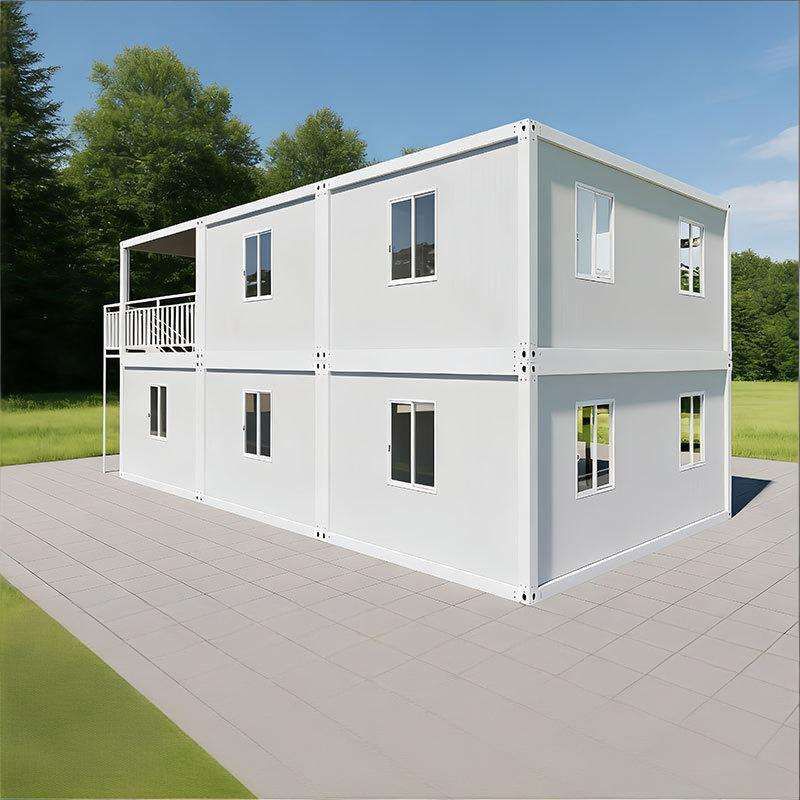
The structural design of mobile bathing and toilet facilities directly affects their space utilization and stability. Single-unit mobile toilets are typically independent units that integrate a shower area, toilet area, and washbasin. They are suitable for scenarios with limited space or single-purpose needs, such as outdoor music festivals or temporary construction sites. For example, the "Apple Cabin" model produced by Dezhou Hongtu Metal Products Co., Ltd. features an apple-cabin design with a grille front wall and an identification sign. The middle section is an open wash area, and the interior is equipped with a shower and squat toilet, achieving "dual functionality in one cabin." Composite-structure mobile toilets, on the other hand, are composed of multiple functional modules that can be combined to expand space, meeting the needs of large crowds. They are commonly used in post-disaster reconstruction or large-scale event support.
II. Classification by Mobility Method
The difference in mobility methods determines the deployment efficiency and applicable scenarios of the toilets. Lifting and handling-type mobile toilets rely on lifting equipment or manual handling, making them suitable for short-term, low-frequency use, such as temporary exhibitions or construction sites. Powered and towed-type mobile toilets are equipped with power systems or towing devices, allowing them to be quickly relocated by vehicle traction. They are suitable for scenarios requiring frequent movement, such as emergency rescue or touring performances. For example, some models feature wheeled chassis that support self-movement, further enhancing deployment flexibility.
III. Classification by Sewage Treatment Method
Sewage treatment technology directly affects environmental performance and maintenance costs. Flush and non-flush suction-type mobile toilets reduce odors through flushing or vacuum suction but require regular cleaning of the sewage tank. They are suitable for areas with access to water and proper sewage disposal conditions. Recirculating flush-type mobile toilets use biodegradation or chemical treatment technologies to purify sewage for reuse, significantly reducing water consumption. They are suitable for water-scarce areas or long-term驻扎 (stationing) scenarios. Dry-packing-type mobile toilets use degradable bags to collect excreta, requiring no water or sewage disposal. They are ideal for wilderness exploration or areas without infrastructure.
Through modular design and technological iteration, mobile bathing and toilet facilities have formed solutions covering multiple scenarios. Their core value lies in balancing functional needs with environmental adaptability, providing efficient and eco-friendly options for temporary sanitation facilities.



