
Mobile Assembled Toilet
A mobile assembled toilet is a facility that can be moved as a whole and set up at fixed or temporary locations, featuring significant advantages such as mobility, modularity, and ease of transportation.
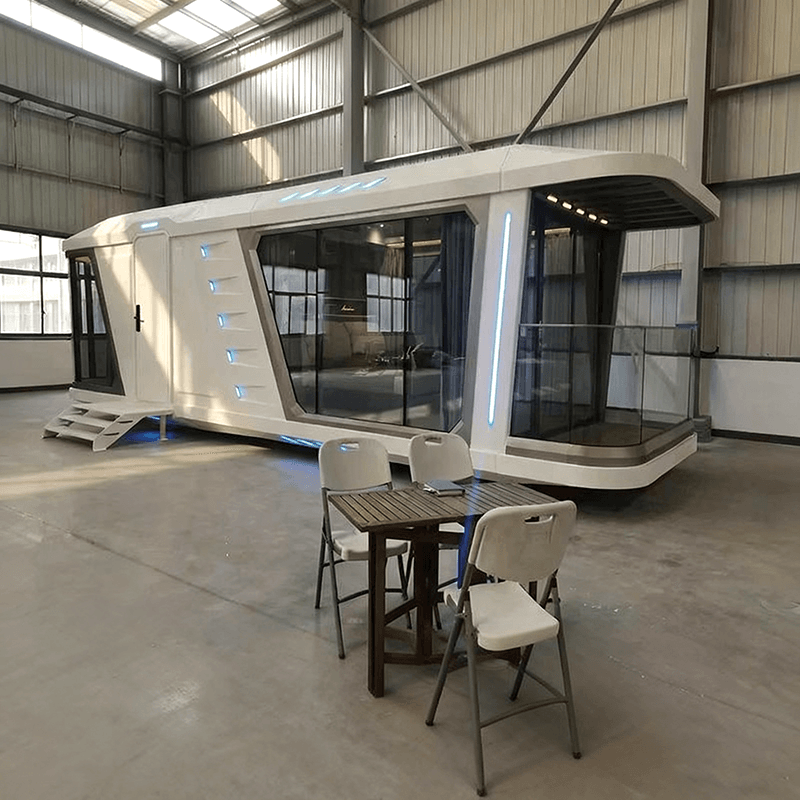
I. Modular Design Features
Some mobile assembled toilets adopt a modular design. For example, a toilet with a width of five meters and a length of eight meters can be split into two parts in the factory and quickly assembled into a complete toilet on-site, with clear divisions between the men's and women's sections. This design significantly reduces transportation costs while maintaining functional integrity. There are also simpler assembled mobile toilets that can be assembled by just two people in half an hour and support customization of facilities such as squat toilets, toilets, and shower rooms to meet diverse usage needs.
II. Structural Composition and Classification
Mobile toilets typically consist of core components such as fecal sewage storage tanks (or treatment devices), floor slabs, sanitary ware, walls, washing equipment, water tanks, roofs, and mobile devices. Based on structural form, they can be classified into integral and assembled types; by mobility, they can be divided into towed and self-propelled types; and sewage treatment methods include direct discharge, packaging, and biodegradation to suit different scenarios. For example, temporary event venues may use direct discharge types, while ecologically sensitive areas prioritize biodegradation types to reduce pollution.
III. Production Methods and Flexibility
In addition to standardized products, mobile toilets can also be produced through DIY methods. For example, a main frame can be constructed using materials such as buckets, wooden boards, and universal wheels: wooden boards serve as the base with universal wheels installed, cut buckets are fixed as sewage containers, aluminum-plastic panels are used to raise the walls and install wooden doors, and finally, drainage pipes, floor drains, and shower equipment are connected. Although this low-cost solution has basic functions, it demonstrates the flexibility of mobile toilet design, especially suitable for resource-limited or emergency scenarios.
IV. Design Principles
The design of mobile toilets must adhere to three major principles:
- Mobility and Economic Durability: Modular structures ensure quick assembly and disassembly, and material selection balances lightweight properties with corrosion resistance to extend service life.
- Environmental Protection and Ecology: Priority is given to water-saving sanitary ware, biodegradable materials, and harmless treatment technologies to reduce environmental impact.
- Humanitarian Care: Through barrier-free design, privacy protection, and ventilation optimization, usage comfort is enhanced, with particular attention to the needs of special groups.
With its adaptability, economy, and environmental friendliness, the mobile assembled toilet has become an important infrastructure in scenarios such as urban renewal, disaster relief, and large-scale events.



