
Miluo Mobile Ecological Toilet
Although there is currently no specific public information available on Miluo mobile ecological toilets, a general introduction can be provided based on the common characteristics of mobile ecological toilets.
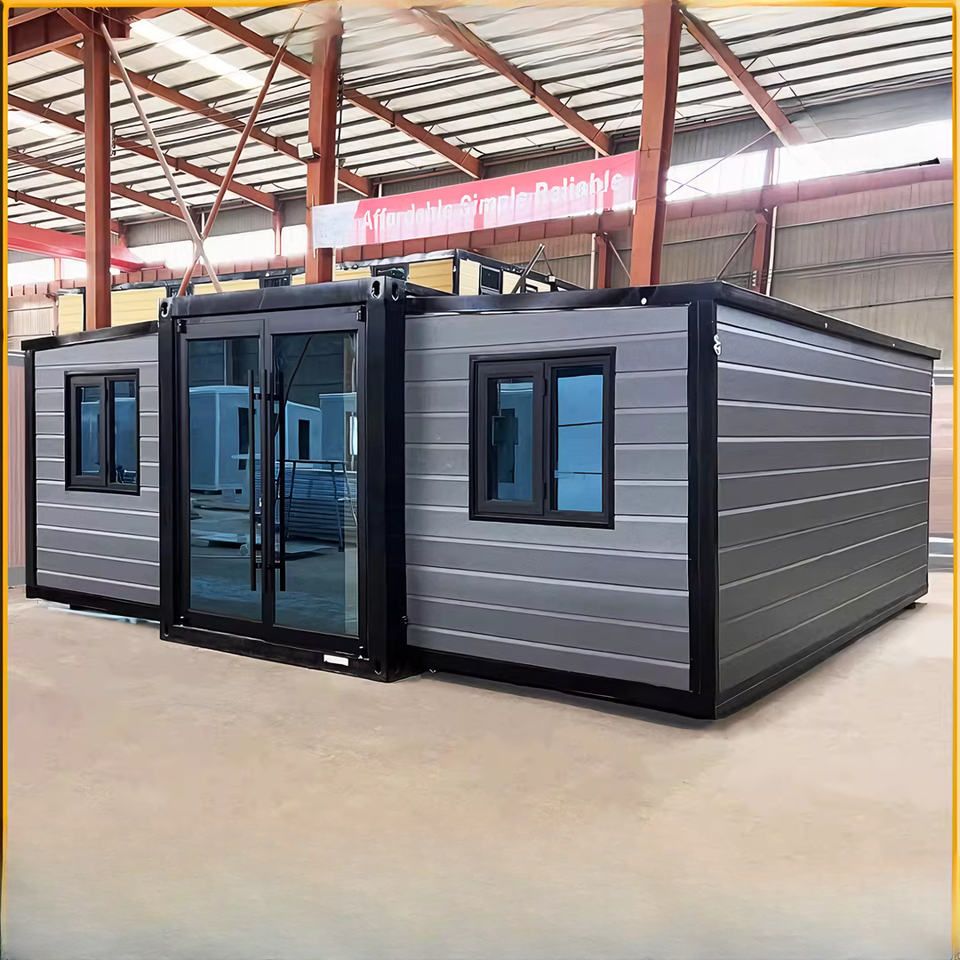
Mobile ecological toilets are a type of toilet facility designed with environmental protection and mobility as their core features. Their key functions and advantages are reflected in the following aspects:
1. Structural and Functional Design Mobile ecological toilets typically consist of a convenience room and a biological treatment room. The convenience room provides users with a space for using the toilet, while the biological treatment room is the core environmental protection module. For example, some designs use trough-shaped biological reactors with built-in microbial communities that can rapidly decompose organic matter in feces into harmless substances. Stirring devices promote thorough contact between microorganisms and excreta through mechanical stirring, enhancing decomposition efficiency. Such designs do not require connection to municipal sewage networks, are pollution-free and emission-free, and have a long cleaning and maintenance cycle, requiring only regular cleaning of the residue in the reactor.
2. Environmental Protection Technology Routes Depending on application scenarios, mobile ecological toilets employ diverse technological solutions:
- Waterless flushing type: Utilizes microbial degradation or desiccant adsorption technology, completely eliminating the need for water resources, suitable for water-scarce areas or temporary event venues;
- Foam sealing type: Generates foam through a foaming device to cover excreta, blocking odors and reducing flushing water volume, achieving a water-saving rate of over 90%;
- Water flushing type: Adopts a recirculating water system, using treated graywater for flushing, enabling water resource reuse, suitable for scenarios with high hygiene requirements.
3. Application Scenarios and Advantages The mobility of mobile ecological toilets allows for rapid deployment in scenic spots, service areas, rural public areas, temporary exhibitions, and other locations, addressing the issues of long construction periods and limited site selection for traditional toilets. For example, during peak tourist seasons in scenic spots, temporary mobile toilets can be added to alleviate toilet pressure; in rural toilet renovation projects, they can replace traditional dry toilets, improving sanitary conditions. Additionally, their modular design supports flexible combination, allowing adjustment of the number of toilets based on foot traffic. They are made of new environmentally friendly materials (such as high-strength plastics and stainless steel), featuring corrosion resistance and easy cleaning, significantly extending their service life.
4. Social and Ecological Value These toilets reduce sewage discharge and the use of chemical cleaning agents through resource recycling technologies, lowering the environmental burden. For example, the residue produced by microbial decomposition can be used as organic fertilizer, achieving waste-to-resource conversion. Their water-saving characteristics align with sustainable development concepts, making them particularly suitable for application in water-scarce areas or ecologically sensitive regions.
In summary, mobile ecological toilets achieve a balance between environmental protection and practicality through technological innovation. Although no specific application cases in the "Miluo" area are mentioned, their design concepts and technological solutions can provide references for local public facility construction.



