Military Mobile Toilets
There are various types of mobile toilets used by the military, mainly including portable field toilet systems, tent-style field toilets, container-style mobile toilets, and new-type mobile toilet cabins, etc..

Portable field toilet systems are specifically designed for military field environments, emphasizing concealment, portability, and rapid deployment capabilities. They adopt a modular design, including components such as folding toilet seats, disposable plastic bags, chemical treatment agents, and burial devices. Single-soldier portable toilets are a common type, being lightweight and compact, and can be quickly set up for use. After chemical treatment of excrement, it can effectively reduce odors and the spread of bacteria, meeting the toilet needs of individual soldiers during field operations or training.
Tent-style field toilet systems are usually equipped with detachable sewage storage tanks and deodorization devices, providing relatively hygienic toilet conditions for small teams. Some modern military tent-style toilets also employ biodegradation technology to convert excrement into harmless substances, further enhancing hygiene levels, and are suitable for use by small-scale troops during field encampments.
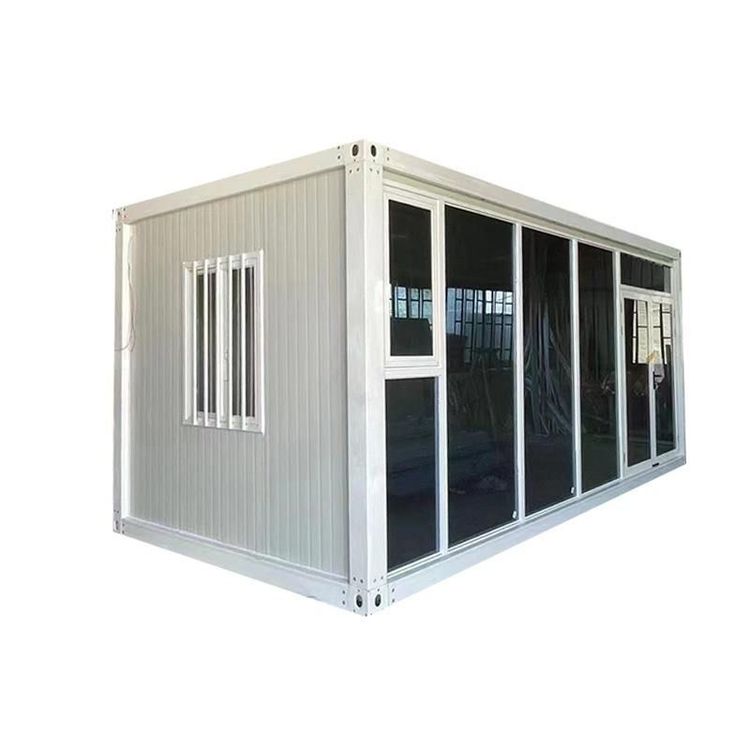
Container-style mobile toilets are suitable for long-term military bases. They have complete flushing systems and sewage treatment capabilities, with a comfort level close to that of civilian toilets, while also possessing better mobility and environmental adaptability. In military bases, these toilets can provide a stable and hygienic toilet environment to meet the daily needs of the troops.
New-type mobile toilet cabins adopt multiple advanced technologies, such as "integrated electro-adsorption and reverse osmosis technology" and "prefabricated building mode + new insulation technology", etc. The cabin body is made of rock wool insulated color steel plates, and the cabin is equipped with graphene temperature-controlled electric heaters. When used in an environment of -35℃, the cabin temperature is not lower than 5℃. Its water supply and drainage pipes adopt electric tracing heating tapes and insulation layer anti-freezing technology, and the outer roof panel is hot-dipped aluminum-zinc coated on both sides. It has strong wind, water, and freeze resistance at high altitudes and can adapt to various harsh military environments.